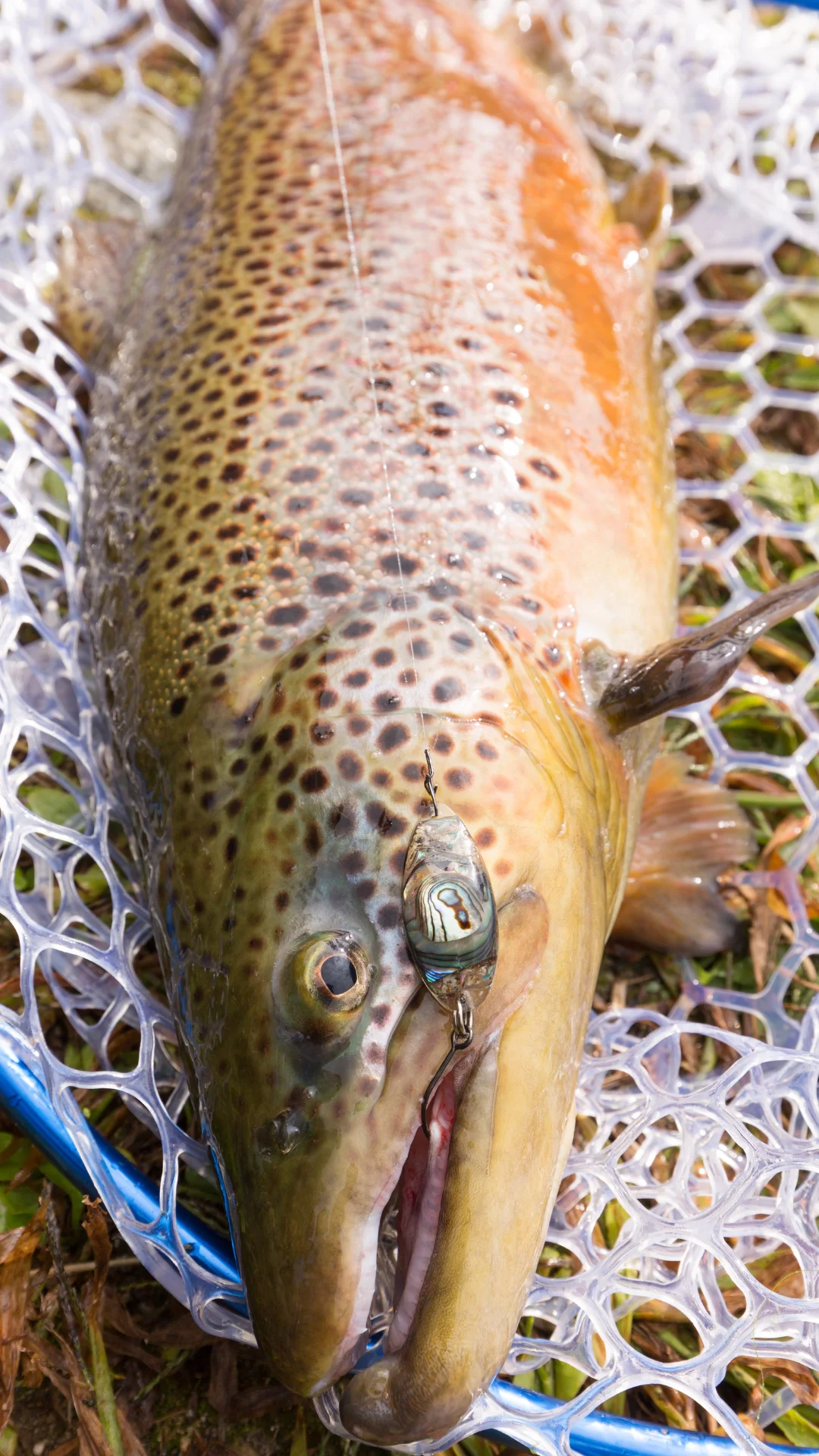
What Are the Prime Months for Trophy Brown Trout in East Tennessee?

What Are the Prime Months for Trophy Brown Trout in East Tennessee

October and November are the prime months for trophy brown trout in East Tennessee. As water temperatures drop in early fall, brown trout prepare for their annual spawning, become more territorial, and feed more often. The South Holston River is a prime destination for trout fly fishing. Let's learn more.
‍

Why Fall Is Prime Time for Brown Trout

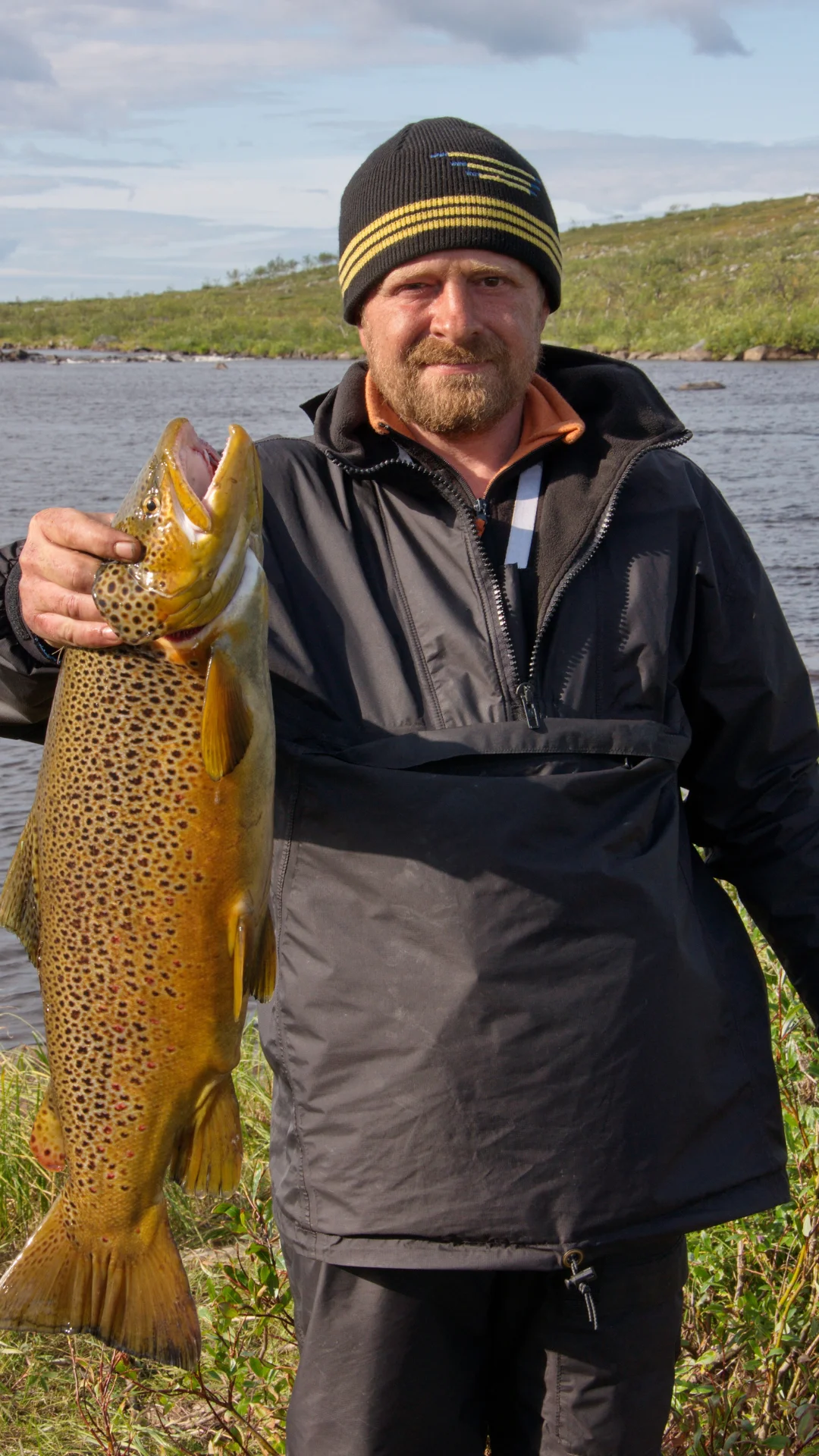
Summer heat leaves trout sluggish in many Tennessee rivers. Lower fall water temperatures relieve that sluggishness, and brown trout respond with territorial aggression before the spawn. Large brown trout also migrate from reservoirs into tailwaters to spawn, bringing trophy trout within reach of fly fishers.

Browns are most active in low light and after dark, so early morning, late evening, and overcast weather conditions give you the best chances. The action doesn't stop in the cooler months. Winter fishing can still produce large brown trout, and the best approach in East Tennessee is to slow the presentation to match colder water.
Fly Fishing for Fall Browns

Brown trout are predatory fish, and larger ones shift their feeding patterns toward natural prey such as sculpins, minnows, and crayfish. Aggressive streamer fishing is the most effective approach in fall, since big streamers filter out small trout and draw strikes from larger fish.

A 6- or 7-weight rod with a sink-tip line handles these flies. Strip baitfish patterns tight to banks and logs, then let them swing through deeper pools.

Blue-winged olives hatch on overcast fall days, and small Baetis fly fishing patterns can bring larger trout to the surface.

South Holston River & Watauga River

The South Holston River is famous for its wild brown trout, and TWRA protects them with a 16–22-inch protected length range for all trout. The best fishing on South Holston occurs in the early mornings and late evenings.

‍Water releases affect fishing conditions on South Holston. Check TVA's release schedule before you go, since water levels and water conditions change with each release. The nearby Watauga River offers both wild and stocked brown trout fishing. It fishes best in spring and fall, when insect activity peaks. Lower generation in fall also creates ideal conditions.

Where Are the Biggest Trout in Tennessee
Where Are the Best Places to Trout Fish in East Tennessee

Clinch River

The Clinch River below Norris Reservoir is home to high-quality wild brown trout and has produced Tennessee's state-record brown trout. A 14–20 inch protected length range applies from Norris Reservoir to the Highway 61 bridge. The river is rich in minnows and crayfish, so trophy trout here grow on baitfish. The average size of Clinch browns and rainbows runs around 15 inches.
Optimal fishing on the Clinch occurs after scheduled water releases, and the timing of seasonal releases determines where trout hold. 

Caney Fork River Browns & Brook Trout

The Caney Fork River below Center Hill Reservoir is stocked with rainbow, brown, and brook trout. The best fishing happens in the early mornings and late evenings, when low light keeps big fish feeding in shallower water. You can catch fish on streamers along the banks in those windows, and on nymphs through the deeper runs at midday.

Great Smoky Mountains National Park

Streams in the Great Smoky Mountains National Park are home to wild rainbows, browns, and native brook trout. Abrams Creek holds large wild brown trout that demand stealth in low, clear water. These freestone streams have no generation schedules, which makes for a quieter fishing experience than the tailwaters. A Tennessee or North Carolina fishing license is valid across the park.

East Tennessee Fish Species

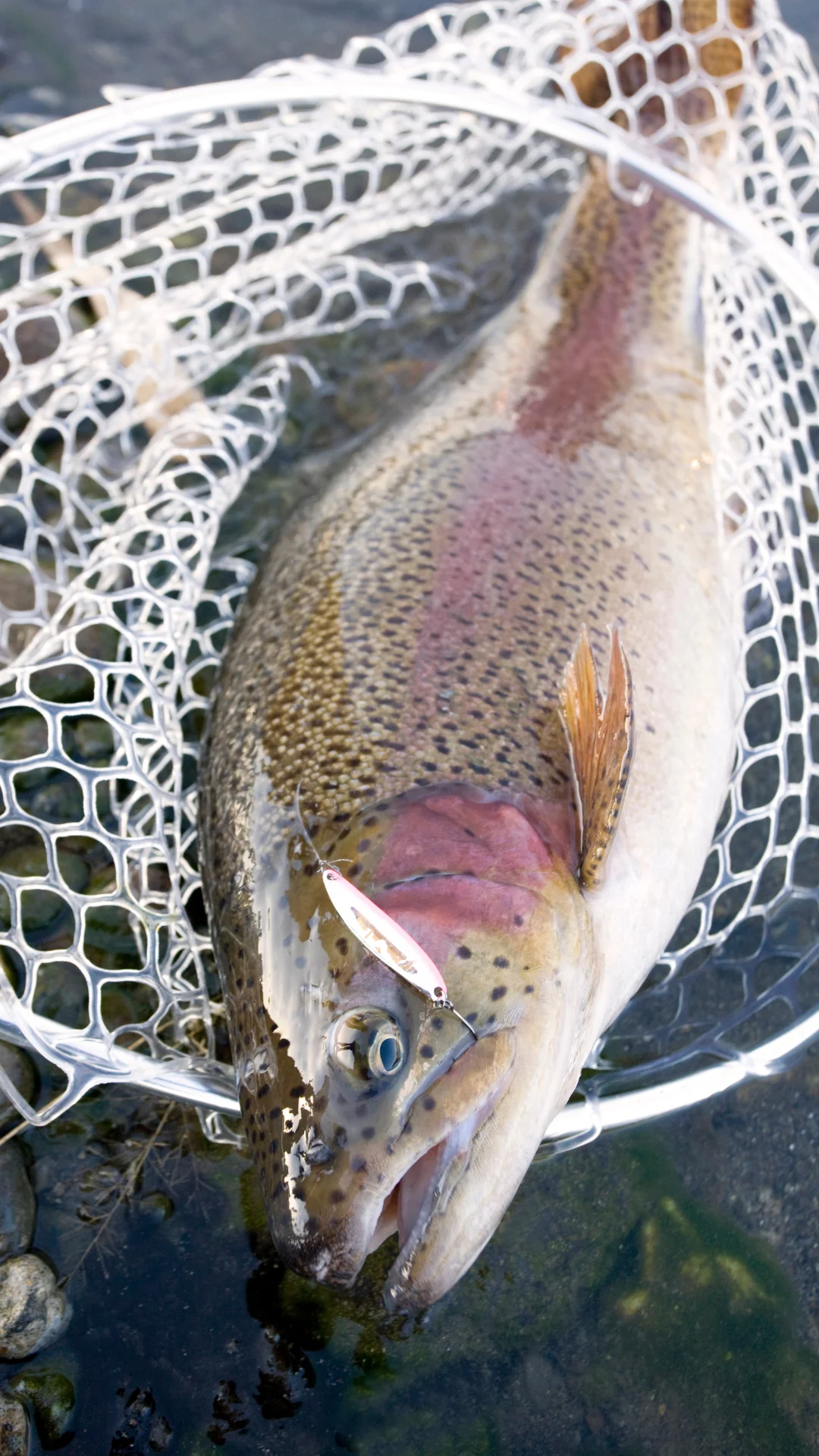
Tennessee has three trout species: rainbow, brown, and brook. The Tennessee Wildlife Resources Agency commonly stocks rainbow trout in rivers and streams. Brook trout are Tennessee's only native trout species. Brown trout typically have black or red spots on their sides and are known for their elusive nature and tough fight.
‍

Local Regulations

Carry a Tennessee fishing license with trout privileges, and check local regulations before every trip, since TWRA reviews them each year. These rules support conservation efforts in monitoring wild trout populations and protect the fishery for future generations.
‍

Frontier Anglers TN: Trophy Brown Trout Trips

Frontier Anglers TN runs guided float trips for big trout on the Norris-Clinch and Caney Fork rivers, as well as trips in the Great Smoky Mountains National Park during the cooler months.Our guides are USCG-licensed captains who also guide smallmouth bass trips across Tennessee's waters. Book your fall trip today for the best shot at a successful catch. Call us at 865-719-0227, email pheasanttail12@live.com, or reach us in Maryville, TN.
What Is the Rarest Trout to Catch in Tennessee

Frequently Asked Questions

Q1. Where are the best places to trout fish in East Tennessee?

A: The South Holston, Watauga, and Clinch tailwaters lead for size and numbers. In the wild, streams in Great Smoky Mountains National Park and the Cherokee National Forest are home to rainbow, brown, and native brook trout.

Q2. Where are the biggest trout in Tennessee?

A: Tailwaters produce the largest trout because cold Reservoir releases and abundant food keep them feeding year-round. The Clinch River produced the state record brown trout, and South Holston is known for trophy wild browns.

Q3. What is the rarest trout to catch in Tennessee?

A: A large brook trout is the rarest trout to catch in Tennessee. Wild brookies stay small in mountain streams, and the state record brook trout, caught on the Caney Fork River in 2016, weighed 4 pounds, 12 ounces.

Q4. What is the Tennessee state record brown trout?

A: Tennessee's state record brown trout weighed 28 pounds, 12 ounces. Greg Ensor caught it on the Clinch River below Norris Reservoir on August 30, 1988, and it remains the largest trout ever recorded in the state.

Q5. What is the most popular fish to catch in Tennessee?

A: Black bass, including largemouth and smallmouth bass, account for about a third of the statewide fishing effort in TWRA creel surveys. Among trout, rainbow trout lead, since TWRA stocks them across the state every year.

CHECK OUT

Our Supporters

©frontier anglers tennessee ALL RIGHTS RESERVED.