What is the Difference Between Fishing for Rainbow vs Brown Trout in Tennessee

nymphing techniques for tennessee freestone streams fly fishing

Fishing for rainbow trout vs brown trout in Tennessee rivers differs primarily in habitat preference, behavior, and tactics. Rainbows are opportunistic daytime feeders found holding mid-current in faster water. Brown trout, on the other hand, are elusive, larger ambush predators favoring low-light or nocturnal conditions and tight cover (near banks). Let's learn more.

What is Rainbow Trout Behavior

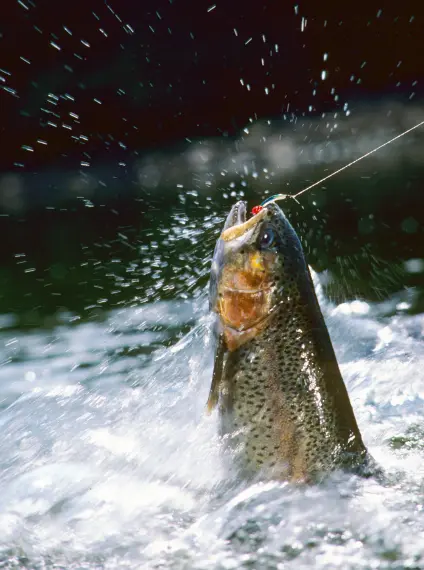
Rainbow trout are known for their energy. They hold in the current, generally in the faster water at the head of a pool or along seams where fast and slow water meet. This makes them a favorite among trout fishing enthusiasts who enjoy hard fights. A hooked rainbow frequently jumps and runs, giving the fish its reputation as one of the more exciting fish species to chase on light tackle.

Because rainbows feed opportunistically in moving water, they respond well to a well-placed dry fly during a hatch. They aren't shy about chasing food in shallow water, and they'll mostly hold in groups. This means finding one active rainbow can lead to several more in the same stretch. Their willingness to feed in open water makes them a good starting point for anglers building confidence with fly fishing in Tennessee.

What is Brown Trout Behavior

Brown trout, or brownies, play a different game. They are naturally more cautious, and this caution grows as they age and gain size. Rather than holding in open riffles, wild browns tend to sit:

- Near undercut banks
- Submerged logs
- Boulders
- Drop offs


This behavior is part of why brown trout have a reputation for being smarter and more selective than rainbows.

guided fly fishing trip with experienced fishing guides
caney fork fly fishing using effective nymphing methods
Low light periods, early morning and evening, tend to bring brown trout out to feed more actively, and a big brown trout in particular will generally only commit to a presentation that looks completely natural.

Streamers that imitate baitfish, along with well-matched nymphs fished tight to structure, produce more consistent results than the searching style that works so well on rainbows.

Because of this pickier feeding pattern, targeting mature brown trout usually requires a more deliberate pace on the water and a sharper eye for reading structure.

Where Each Fish is Found in Tennessee

Tennessee's tailwater rivers create conditions in which both brown and rainbow trout coexist within the same system. They don't always occupy the same water at the same time of day. Also, brownies tend to move toward banks, deeper pools, and slower pockets, especially as the water warms throughout the day.

The Tennessee rivers, like the Caney Fork River, are strong examples of this pattern, holding both species in good numbers throughout their lengths, with rainbows dominating the faster stretches and browns favoring the deeper bends and cover.

Other Tennessee rivers hold similar mixed populations, along with occasional brook trout and stocked cutthroat trout, giving you a genuine variety of fish to encounter in a single day of fishing.

Fly Selection & Presentation

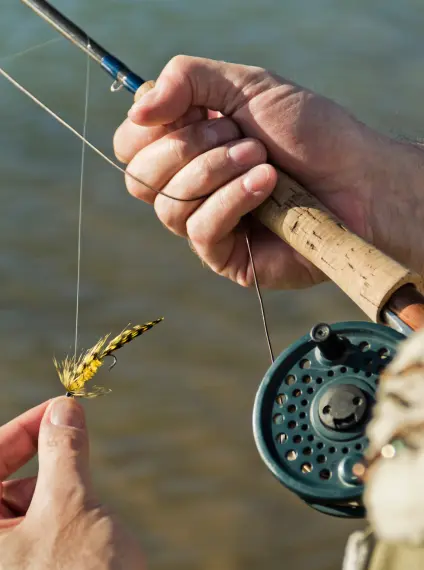
Fly fishing for rainbows generally rewards a more active approach to fly selection.

-Attractor patterns
-Beadhead nymphs
-Dry flies during a hatch


All these draw strikes because rainbows are actively searching the current for food. Presentation matters, but there's more room for an imperfect drift since rainbows are less likely to inspect a fly closely before striking.

Brown trout call for more precision. A drag-free drift close to the bottom (especially near cover) produces far better results than a fly drifting through open water.

Streamer fishing at dawn or dusk, working slowly along the bank with pauses near likely holding spots, is one of the most reliable ways to draw out a mature brown.

Because wild fish in pressured rivers see plenty of anglers each season, a quiet approach to the water and natural color patterns make a real difference in hook-up rates for browns specifically.
clinch river fly fishing experience with a professional guide

Seasonal Patterns Worth Knowing

Rainbows remain active over a broader temperature range and continue feeding in the current under most conditions.
Brownies become noticeably more active as water cools in fall, which is when you can target a big brown trout with confidence,
Spring and early summer generally favor rainbow-focused fishing trips, while fall shifts the advantage toward brown-focused outings.

What are Licensing & Access

Before heading to any Tennessee river, a valid fishing license and, on most trout waters, a trout stamp are needed. These are available from the "Tennessee Wildlife Resources Agency" and cover the state's stocked and wild fish populations.

Always check current regulations for the specific river before your trip to keep things straightforward and avoid surprises once you're on the water.

How to Make the Most of a Trip

If you are planning a day on the water, the biggest takeaway is that rainbow and brown trout call for two different mindsets.

- Rainbows reward energy, faster-paced fishing, and confidence in open current.
- Brownies reward patience, close attention to structure, and a willingness to slow down and work the river's edges.

Recognizing which fish you're targeting and adjusting flies, timing, and presentation accordingly is what separates an average day from one where you truly enjoy fishing to the fullest.

Understanding these differences turns a general outing into a more intentional one. Fast-paced morning chasing rainbows through riffles or a quiet evening working streamers along the bank for a wild brown? Tennessee's rivers offer a variety of experiences within reach of most anglers willing to learn each fish's habits.

Frontier Anglers TN: Trout Fly Fishing Trips

Call Frontier Anglers TN to book a guided day on any of Tennessee's premier trout waters. Trips are available on the Cherokee - Holston River, Douglas - French Broad River, Norris - Clinch River, Little River, Pigeon River, and Caney Fork River. Book your trip today and experience firsthand how rainbow and brown trout fishing differ across these rivers. Call us at 865-719-0227.
Frequently Asked Questions

Q1. Which is better, brown trout or rainbow trout?

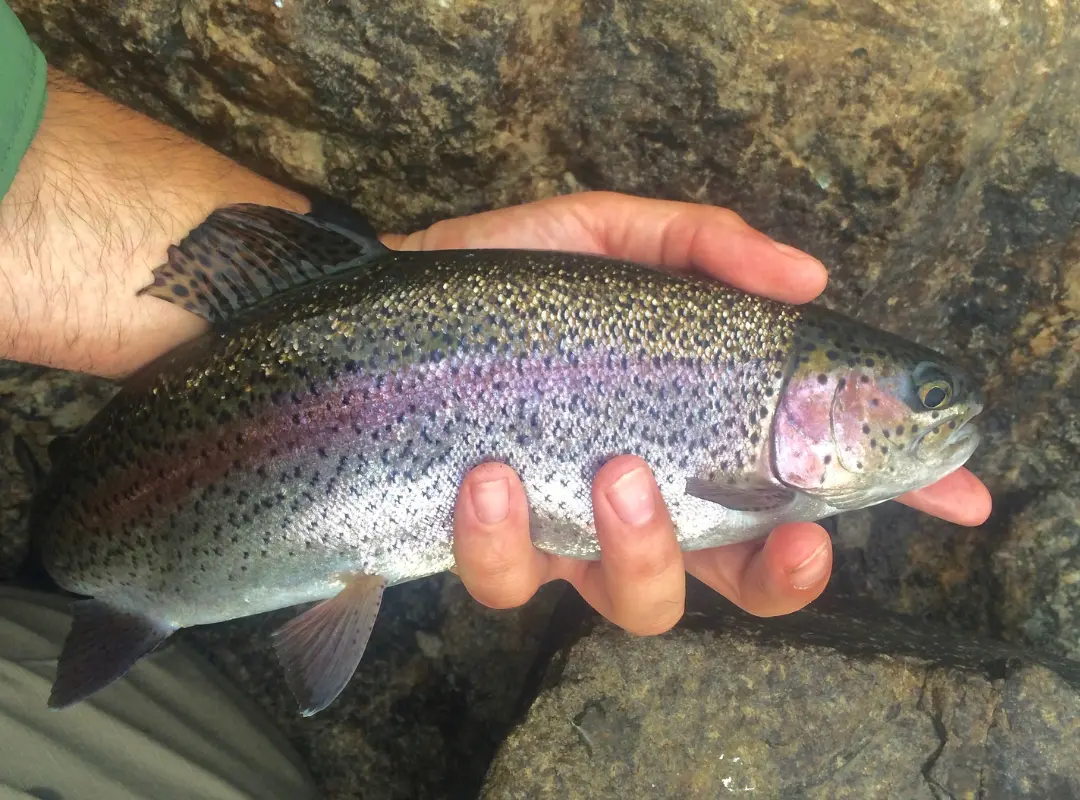
A: Neither is better outright. Rainbow or steelhead trout offer faster action in open current, while German brown or brownies offer a tougher, more rewarding challenge if you enjoy targeting wary, structure-oriented fish.

Q2. Is there a difference between rainbow trout and trout?

A: Yes. "Trout" is a general term covering several species, including rainbow, brown, brook, and cutthroat trout. Each of these has distinct behavior and habitat preferences.

Q3. What is the most common fish in Tennessee?

A: Trout, particularly "rainbow trout", are among the most commonly stocked and caught fish species in the tailwater rivers of Tennessee.

Q4. What kind of trout does Tennessee have?

A: Tennessee rivers hold brown trout, brook trout, rainbow trout, and stocked cutthroat trout, with the mix varying by river system.

Q5. Can rainbow trout and brown trout breed?

A: No. Rainbow and brown trout are genetically distinct species and do not interbreed in the wild.

CHECK OUT

Our Supporters

©frontier anglers tennessee ALL RIGHTS RESERVED.