How Do Water Releases Affect Fishing Conditions on the South Holston

How water releases affect fishing on the South Holston

The South Holston River dances to the rhythm of water releases, not just the whims of the weather. Seasoned fly fishing anglers know that reading the river means tracking every surge and lull, as each release changes current, depth, and behavior of the fish, especially trout. Upstream water management redraws the river's map by the hour, turning every outing into a fresh challenge for Tennessee's fly fishing faithful. Let's learn more about how water release affects fishing conditions on the South Holston River.

Low Water Releases & the Return of Tailwater Feeding Lanes

Water releases control everything from clarity to brookie positioning. When flows rise, current speed increases and pushes fish out of shallow edges and into structure.

When releases fall, the river transforms into classic tailwater, with steady feeding lanes and crisp seams. These shifts do more than change your casting—they reshape:

Fly fishing anglers who track releases closely generally plan sessions around these transitions. A falling release can spark feeding as brookies slide back into softer water. Rising water tends to slow surface activity but opens opportunities for subsurfaces.
Remember that fishing conditions on the South Holston River are never static, and that is part of what makes the river endlessly interesting.

South Holston Flow Control & the Tennessee Valley Authority

The Tennessee Valley Authority manages flows through the Tennessee waters. Their priorities center on flood control and power generation, not angling convenience. Even so, their published schedules give anglers valuable insight.
Generation decisions upstream dictate river flows downstream. A single generator can turn a gentle tailwater into a channel with a strong current. Multiple generators change the river into a big-water system that favors heavy rigs and boats. 
Paying attention to TVA updates is as important as checking the weather when planning a fly fishing trip here.
Bass Seasonal Movement
Fishing Smallmouth Bass in Rivers

South Holston Generation Schedule & River Timing

The South Holston generation schedule is the heartbeat of the river. Generation windows generally follow power demand, meaning early morning, afternoon, or evening changes are common.
Also, a stable generation schedule can hold for a few days, then shift without much notice.
River flows respond quickly once turbines engage. Levels of the water rise, seams move, and holding water shifts downstream.
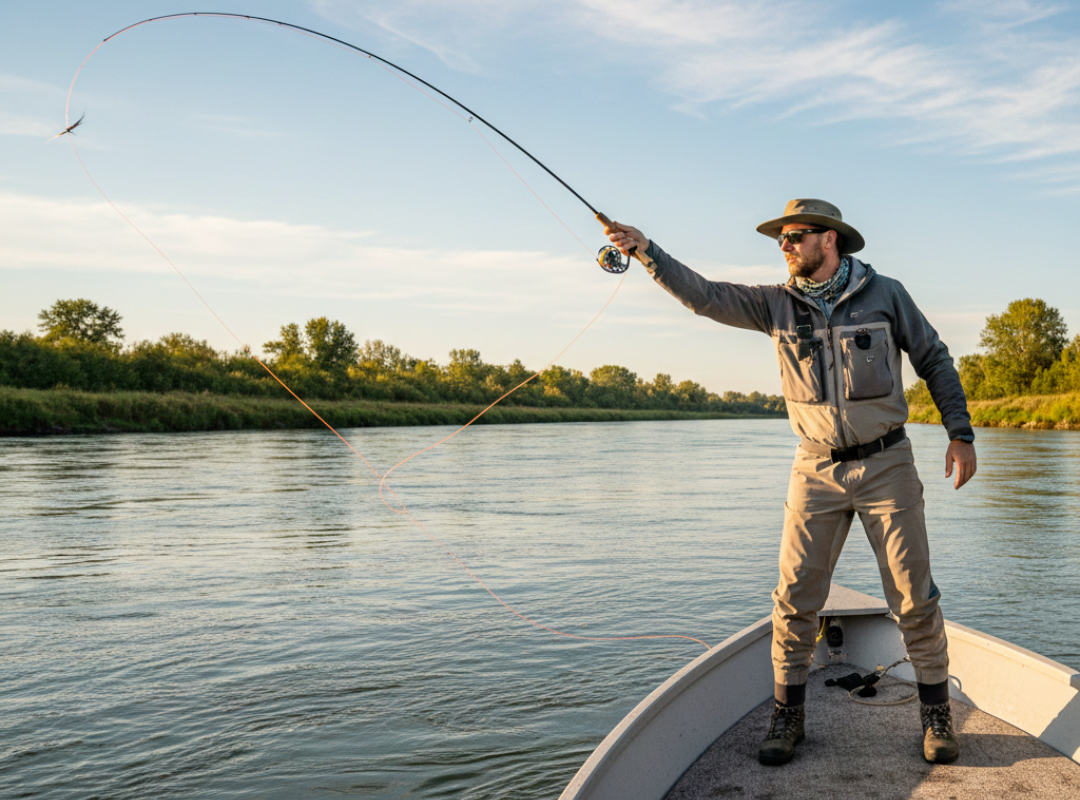
Fly fishing anglers often arrive early to fish low water, then transition to a drift boat or plan float trips as releases increase.
Timing your trips around these patterns is part of fishing the South Holston at an advanced level.

Dry Fly Fishing During Low Water Releases

It is interesting that low or no generation creates the most technical dry fly fishing on the South Holston River. Slower water currents allow brookies to hold predictable feeding lanes. Surface activity becomes more visible during this time.
Presentation becomes everything—far more important than distance alone.
Fishing pressure can concentrate during these windows, especially when you are near access points. Veteran fly fishing anglers mostly hike farther or fish off hours to find undisturbed water.

Higher Flows, Drift Boat Access, & Float Fishing

When water pours in, the river stretches wide. Higher flows nudge brookies into:
A drift boat becomes the most efficient tool for covering water safely.
Float fishing allows you to reach productive runs that are inaccessible at low water. Long drifts through deep channels and broad riffles become possible.
On the other side, sink tips and weighted flies gain importance as trout hold deeper in the column. These float trips redefine how the South Holston fishes and reward you with comfortable reading big water.

Brown Trout Behavior, Deeper Pools, & River Flows

Brown trout on the South Holston River respond really quickly to changes in the river. Rising water pushes trouts and smallies toward deeper pools and stable lies where energy expenditure stays low. Falling water pulls them back toward mid-depth runs and feeding edges.
Wild brown trout in this system are conditioned to shifting current. They slide into position rather than abandoning territory.
You can adjust depth and drift speed to match river flows and can find fish feeding even during heavy generation.
Smallmouth Bass Fishing

Early Spring Releases & Seasonal Shifts

Early spring seasons bring a unique rhythm to water releases. Power demand fluctuates, and flows can change every day. Insect activity ramps up as temperatures of the water stabilize, and trout feed aggressively when conditions line up.
Having knowledge of these seasonal release patterns helps you stay ahead of both trout and crowds.

Fishing Pressure, Float Trips, & Strategy

Fishing pressure on the South Holston River reflects release schedules.
Knowing when and where pressure builds allows you to adjust your plans.
Float trips during steady generation generally reduce competition for water. If you are drifting through long sections, you can encounter fewer stationary fishermen and see fresh fish. Managing pressure is as much a strategic decision as fly choice on the South Holston River.

Water Releases & Planning a Fly Fishing Trip

Every successful fly fishing trip on South Holston begins with awareness of the water flow. Water releases dictate:
If you match your approach to river flows consistently, you outperform those who do not. From delicate low-water presentations to heavy-current float fishing, this beautiful Tennessee River offers a variety that few tailwaters can match. 
Understanding releases turns unpredictability into opportunity and keeps the South Holston a rewarding river year after year.

Fly Fishing Across Tennessee with Frontier Anglers TN

For anglers looking to apply this knowledge across multiple rivers in Tennessee, Frontier Anglers TN offers guided fishing trips beyond South Holston.
Our trips include fly fishing on the Cherokee-Holston River, the Douglas-French Broad River, the Norris-Clinch River, the Little River, the Pigeon River, and the Caney Fork River.
Guided float trips help you adapt quickly and fish confidently under changing conditions.
Reach out to Frontier Anglers TN to schedule your next fly fishing trip and fish Tennessee’s most respected rivers with timing, insight, and confidence.
Frequently Asked Questions

How do water releases affect fly fishing on the South Holston River?

Water releases change depth, current speed, and positioning of the fish, such as trout and bass. These shifts influence the selection of the fly, presentation style, and access points throughout the day.

Is dry fly fishing possible during this generation?

Dry fly fishing becomes a bit less common during higher flows. Brief windows can still occur along soft edges or during falling water after the releases slow.

Why are drift boats popular in South Holston?

A drift boat allows you to cover water efficiently during higher flows and reach productive runs and deeper pools that are not accessible on foot.

How far ahead should anglers check the generation schedule?

Checking the South Holston generation schedule the day before and again the morning of a trip gives the best snapshot, as TVA operations can shift quickly.

Do guided trips help visiting anglers from Tennessee?

Yes. We work with anglers across Tennessee, helping you understand fishing pressure, river flows, and seasonal patterns on multiple tailwaters.

CHECK OUT

Our Supporters

©frontier anglers tennessee ALL RIGHTS RESERVED.