How Are Wild Trout Populations Monitored and Managed in Tennessee?

The answer to how wild trout populations are monitored and managed in Tennessee is that fisheries professionals use monitoring, population studies, habitat surveys, and conservation programs to track fish populations and maintain healthy wild trout resources. These efforts include protecting habitat, studying reproduction, improving water quality, and supporting sustainable fishing opportunities. Let's learn more.

Tennessee's Wild Trout Resources

Tennessee is home to several important trout fisheries that attract visitors from across the country.

- Healthy mountain streams
- Cold-water rivers
- Protected public lands


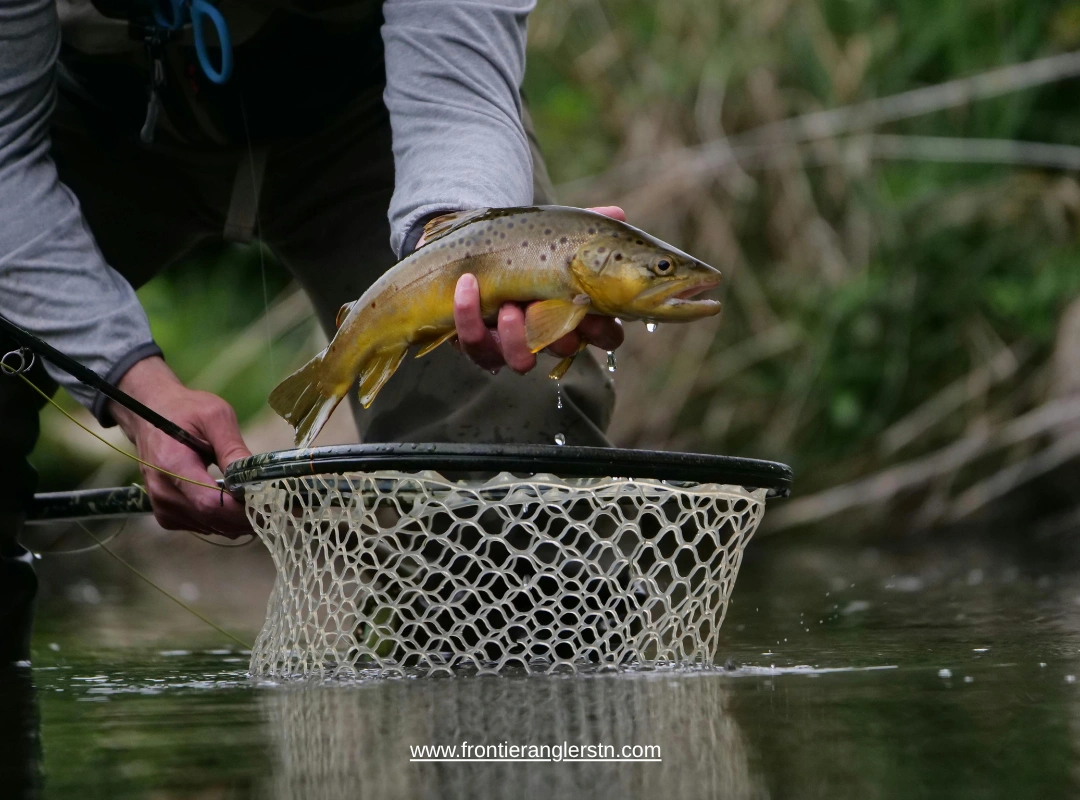
All these together provide habitat for multiple species of trout. Among the most recognized are brown trout, brook trout, and rainbow trout.

While stocked fisheries receive considerable attention, many conservation efforts focus on naturally reproducing wild trout. These fish survive and reproduce without regular stocking and maintain balanced aquatic ecosystems. Healthy brookie populations indicate strong environmental conditions, making them valuable indicators of ecosystem health.

Because trout depend on cold, clean water, conservation organizations and fisheries professionals devote attention to preserving suitable habitat. Maintaining strong trout resources benefits wildlife, local communities, and the recreational opportunities enjoyed by many anglers throughout Tennessee.

How Are Wild Trout Populations Monitored & Managed in Tennessee
Wild Trout Conservation Frontier Anglers TN

The Role of Monitoring in Trout Management

One of the most important aspects of trout conservation is continuous monitoring. Fisheries agencies collect information on:

- Fish abundance
- Growth rates
- Survival
- Reproduction

These studies provide valuable insight into the condition of local fish populations.Field surveys are conducted in rivers throughout the state. During these surveys, biologists gather data on trout numbers, size distribution, and age classes. This information reveals trends that may influence future management decisions.

Population monitoring also tracks changes caused by:

- Weather events
- Habitat conditions
- Environmental pressures


Consistent data collection helps identify areas where trout populations are thriving and locations where additional conservation efforts may be needed. Without regular monitoring, it would be difficult to assess the health of Tennessee's valuable trout resources.

Protecting Brook Trout Habitat & Native Fish

Brook trout hold special significance among Tennessee's trout species. These colorful fish are Tennessee's only native trout and are primarily found in high-elevation mountain waters. Protecting brook trout habitat remains a major conservation priority.

Healthy brook trout habitat requires:
- Cold water temperatures
- Stable stream channels
- Abundant cover


Many mountain waters naturally provide these conditions, but environmental changes and human activity can influence habitats.
Conservation projects frequently focus on improving water conditions that support brook trout populations. These efforts may include:

- Restoring natural stream features
- Stabilizing banks
- Improving connectivity between different sections of the habitat

By protecting native fish populations, resource managers support ecological diversity while preserving an important part of Tennessee's natural heritage.
Protecting brook trout also benefits many other aquatic organisms that rely on the same cold-water environments.
How Do Biologists Monitor Wild Trout Populations
Frontier Anglers TN Trout Fly Fishing

How Biologists Study Trout Populations

Fisheries biologists use several techniques to study trout populations. Surveys provide information about fish growth, fish abundance, and reproductive success. These studies focus on understanding how brookies respond to changing environmental conditions.

Researchers also examine spawning activity and the survival of trout eggs. In maintaining self-sustaining fisheries, reproduction plays a critical role. When trout successfully reproduce, managers gain insight into the health of local habitat conditions.

Studying different life stages helps determine how trout populations change from year to year. Mature adults, young fish, and spawning fish all contribute important information. Through ongoing research, biologists are developing a better understanding of the factors influencing trout survival across Tennessee.

The Importance of Water Quality & Healthy Watersheds

Excellent water quality is one of the most important requirements for healthy trout fisheries. Trout thrive in cool, oxygen-rich water and can be sensitive to environmental changes. Because of this, management efforts generally focus on protecting rivers from degradation.

In maintaining suitable conditions, Healthy watersheds play a major role.

- Forested watersheds reduce erosion
- Support stable water flows
- Contribute to cooler water temperatures


These characteristics create favorable conditions for trout and many other aquatic organisms.

Conservation groups also work with landowners and public agencies to protect critical watersheds. Maintaining healthy riparian areas along water banks is particularly important. Vegetation bordering streams provides shade, stabilizes soil, and contributes organic material that supports aquatic food sources.

Strong water quality benefits trout and countless other fish and wildlife species that depend on healthy aquatic ecosystems.

Contributions from the Forest Service & National Park Service

Public land agencies play an important role in trout conservation across Tennessee. The forest service manages large areas of public land containing productive trout streams and important wildlife habitat. These lands provide opportunities for recreation and support conservation goals.

Partnerships between the forest service, the fisheries agencies, and the national park service support habitat improvement projects and research initiatives. These collaborations make conservation efforts stronger across multiple watersheds and benefit populations of the trout fish throughout the region.

Addressing Concerns of the Invasive Species

One challenge facing fisheries managers involves the presence of invasive species. Non-native organisms can:

- Influence habitat conditions
- Compete with native wildlife
- Alter ecosystem dynamics


Managing invasive species requires continued observation. Fisheries professionals monitor waterways to identify potential threats and determine how those threats may affect trout populations. Conservation efforts focus on protecting sensitive habitats where native fish remain vulnerable.

The Role of Trout Unlimited in Conservation

Organizations such as Trout Unlimited contribute to trout conservation efforts. These groups generally partner with volunteers, fisheries agencies, and local communities to support habitat improvement projects.

Many restoration projects focus on habitat connectivity and watershed protection. Through volunteer participation and conservation initiatives, Trout Unlimited contributes support to fisheries management programs.

Restoration Efforts for Future Generations

Many trout conservation projects focus on restoration efforts to support fisheries for future generations because habitat restoration can:

- Strengthen fish populations
- Improve water conditions
- Support natural reproduction


Projects of Restoration involve habitat enhancement, streambank stabilization, and protection of critical spawning areas. These efforts benefit multiple species while improving ecosystem function.

Conclusion

Wild trout don't look after themselves. Down here, a hardworking crew of fisheries professionals makes sure these populations stay healthy. Keeping tabs on wild trout starts with good old scientific research, tight-knit conservation partnerships, and a deep-rooted commitment to protecting the land and water. Biologists count fish, keep the water clean, bring worn-out habitats back to life, and fight off troublemakers like invasive species. It's purposeful work, and it's paying off. Tennessee's wild trout fisheries are holding strong, keeping these beautiful waterways alive and well for the next generation of fly fishing anglers ready to wet a line.

Call Frontier Anglers TN for Fly Fishing Trips

Interested in experiencing Tennessee's outstanding trout waters firsthand? Frontier Anglers TN offers fly-fishing opportunities on some of the region's most respected rivers and fisheries, including the Douglas-French Broad River, Norris-Clinch River, Cherokee-Holston River, Little River, Pigeon River, and Caney Fork River. Contact Frontier Anglers TN today and book your next Tennessee fishing adventure.

Frequently Asked Questions

Q. What are the trout regulations in Tennessee?
A. Trout regulations vary by location, river, and season. Fly fishing anglers should review current Tennessee fishing regulations before planning a trip.

Q. Why do you wet your hands before touching a trout?
A. Wet hands reduce damage to the protective coating on a trout's body, which is important for fish health after release.

Q. Why can't you fish on Thursday in Tennessee?
A. Some delayed-harvest trout sections may have special schedules or stocking-related closures. Regulations depend on the water being fished.

Q. Is Tennessee known for trout fishing?
A. Yes. Tennessee is well known for trout fishing, and Frontier Anglers TN guides you on several productive Tennessee trout rivers each year.

Q. What is the rarest fish to catch in Tennessee?
A. The native brook trout is considered one of the more sought-after and unique fish species found in the mountain streams of Tennessee.

CHECK OUT

Our Supporters

©frontier anglers tennessee ALL RIGHTS RESERVED.