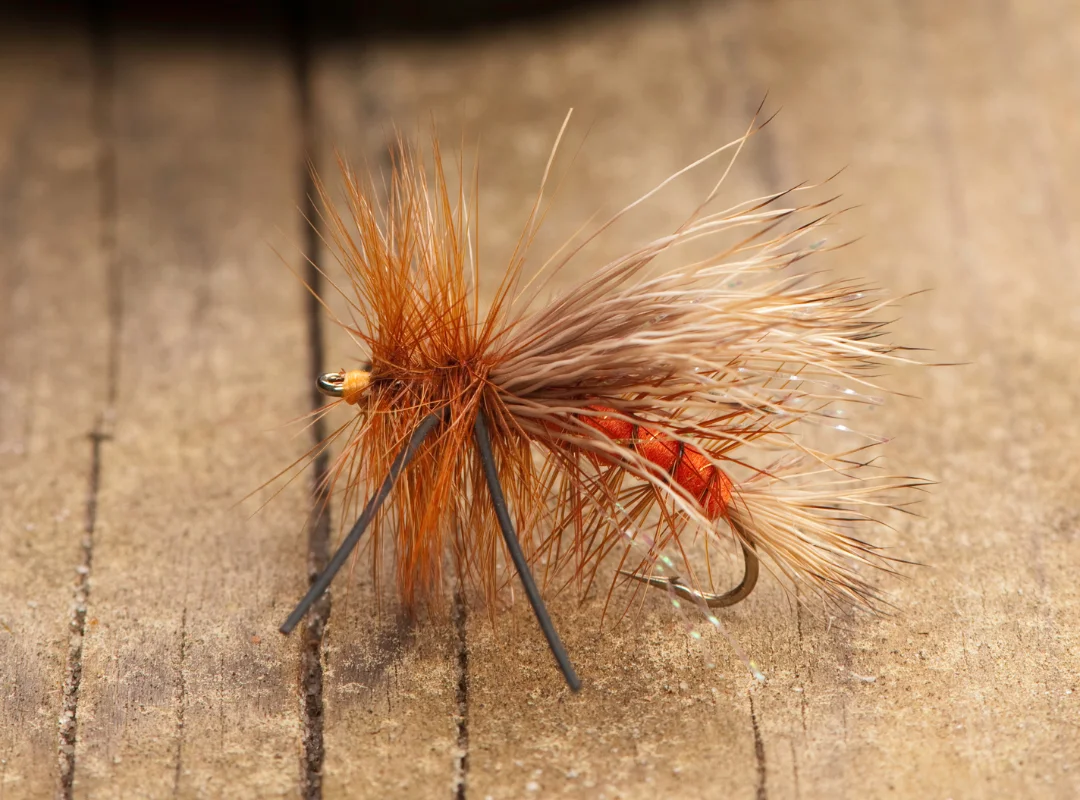
Baetis Fly Fishing Patterns You Need To Try

The Baetis mayfly is a global favorite on the trout menu. Fly fishers know them as blue-winged olives, and these tiny little insects spark some of the most thrilling angling moments of the year. Since their hatches generally unfold on moody, overcast days, having a lineup of must-try Baetis fly patterns can change your time on the water. Let's talk about some secrets of the hatch and the flies that help you connect with brookies when these little dynamos are drifting downstream.

What is Baetis Hatch

The Baetis hatch is famous for two things: its resilience and its frequency. Unlike larger insects that require warm summer evenings, the Baetis fly patterns usually come into play during the shoulder seasons of fall and spring.

Many fly fishers look forward to these hatches because they generally trigger a frenzy of rising fish in slow-moving water or spring creeks. The lifecycle of this insect is simple but requires specific nymph patterns and dry flies to imitate in the right way.

Because the insects are small (usually ranging from size 16 down to size 22), your fly rod needs to be delicate enough to protect light tippets while maintaining the accuracy needed for trout fishing.

Baetis Nymphs for Technical Water

The Baetis nymphs are active in the substrate of the riverbed before the adults reach the air. These nymphs are agile swimmers and are constantly moving through the water column. The pheasant tail is one of the most famous imitations, a fly that utilizes pheasant tail fibers to mimic the segmented body and slim profile of the natural insect.

To add a bit of visibility in murky water, many fly fishing anglers prefer the flashback pheasant tail, which uses a small piece of tinsel to catch what little light is available. These natural Baetis nymphs are a must-have for any well-stocked fly box.

Another modern favorite for subsurface work is the rainbow warrior, which provides a bit of extra flash to trigger aggressive strikes when the standard fly pattern is being ignored.
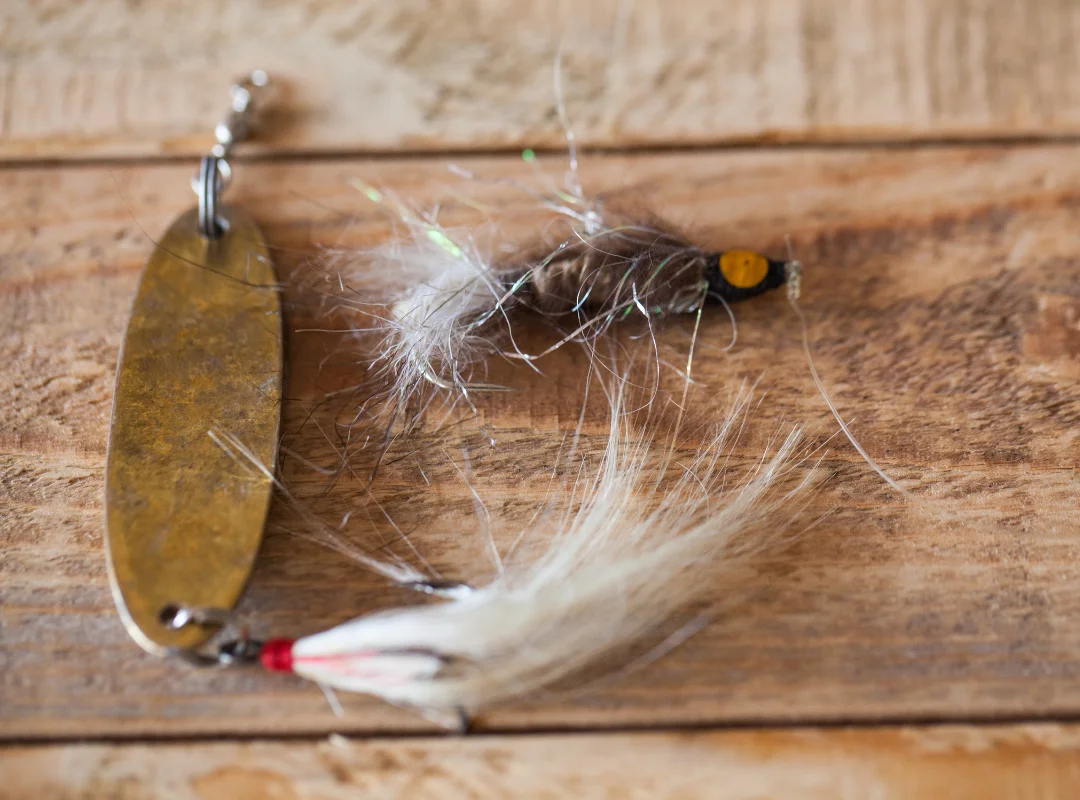
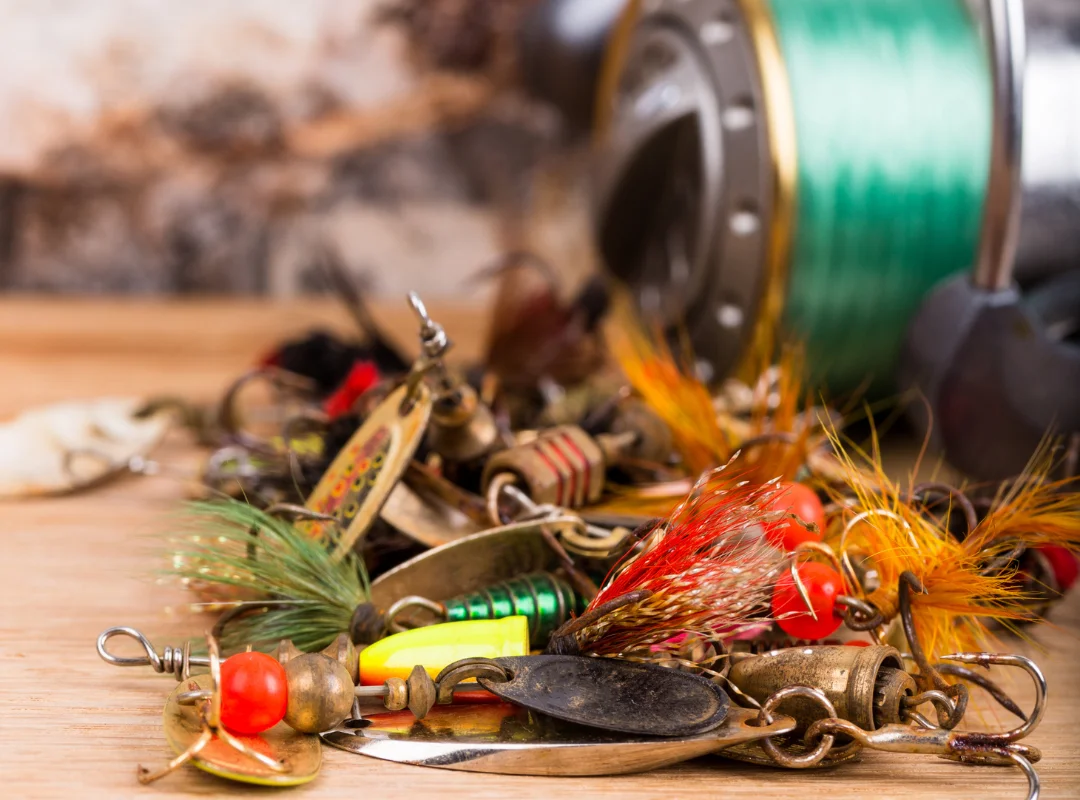
Baetis Fly Patterns
Fly Fishing Frontier Anglers TN

Mastery of the Surface Film

As the nymphs prepare to hatch, they become trapped in the surface film. For the insect, this is a vulnerable moment and a prime opportunity for dry fly fishing. During this transition, the Baetis mayfly moves from the nymphal state to the dun stage.

A renowned fly tyer once noted that the struggle to break through the water's tension is generally what attracts the largest brookies. Using a sparkle dun allows you to sit the fly low in the water, imitating a bug that is halfway between emerging and flying away.

The addition of a trailing shuck made of synthetic material helps the fly's features stand out to picky fish. Success during this phase requires a long leader and a stealthy approach so that you can avoid spooking the rising fish.

Building the Perfect Fly Box

When you visit a local fly shop, you will likely see many Baetis patterns. You should always choose flies that vary in weight and profile. For the subsurface, make sure that you have various Baetis fly patterns that are tied with different colors of tying thread, as the shade of the blue-winged olive can change depending on the geography and water temperature.

The Dynamics of Spring Creeks

Spring creeks offer some of the most rewarding and challenging fly fishing for those using Baetis patterns. These waters are generally crystal clear, meaning the brookies have plenty of time to inspect your fly pattern. A drag-free drift and accuracy are a game-changer. If you are using a light fly rod, you can make the subtle presentations necessary to fool these wary inhabitants.

Many successful fly fishers find that using a very slim Baetis mayfly imitation and downsizing their tippet is the only way to catch fish in these environments. The real goal is to match the silhouette of the natural insect as closely as possible, focusing on the grey tones or dark olive common to the species.

Advanced Tying for Baetis Fly Patterns

If you enjoy making your own gear, the Baetis fly patterns offer a great opportunity to practice some precision. Using fine tying thread and high-quality pheasant tail fibers allows you to create realistic nymph patterns. A renowned fly tyer will generally emphasize the importance of the "taper" in a fly pattern, as a bulky fly will often be rejected in clear water.

When you are tying a dry fly, you should select the right hackle to keep the fly afloat without making it look unnatural. Experimenting with different fly features like  UV-reflective thorax materials or holographic ribs can also give your Baetis patterns an edge in pressured waters.

Why Baetis Matter for Trout Fishing

Ultimately, trout fishing is all about understanding the ecosystem. The Baetis hatch is a reliable event that provides you with a major food source when other insects are dormant. Swinging Baetis nymphs through a riffle or casting a dry fly to a steady riser? The connection to the natural insect is what makes this amazing sport so engaging.

By keeping a selection of Baetis fly fishing patterns you need to try ready at all times, you prepare yourself for those magical grey days when the beautiful river comes alive with blue-winged olive activity.

Experience the Best of Tennessee With Frontier Anglers TN

Explore the premier waters of Tennessee with the expert guidance of Frontier Anglers TN. This region is home to some of the most legendary rivers in the country, including the Norris - Clinch River and the South Holston, which are famous for their consistent hatches.

You can also find incredible action on the Douglas - French Broad River, the Cherokee - Holston River, or the beautiful Little River nestled near the mountains.

For those craving variety, the Pigeon River and Caney Fork River offer distinct settings to challenge your skills and soak in the region’s natural splendor.

Book your trip with Frontier Anglers TN today!

Juju Baetis Fly Pattern

Frequently Asked Questions

Q1: What is the best time of year for Baetis fly fishing in Tennessee?

A: In Tennessee, the most prolific hatches generally occur during the fall and spring months. Frontier Anglers TN generally recommends targeting these windows when overcast conditions are present, as this tends to trigger the strongest surface activity from the fish.

Q2: What size fly rod is recommended for fishing small mayfly patterns?

A: A 3-weight or 4-weight rod is usually perfect. These lighter rods allow delicate presentations with tiny imitations and help protect the light tippets needed to fool rookies in clear water.

Q3: How do I identify a Baetis mayfly on the water?

A: Always look for small, olive-bodied insects with upright, bluish-grey wings. They are much smaller than other common mayflies and are frequently seen drifting in large numbers during cloudy or damp weather.

Q4: Should I use a nymph or a dry fly during a hatch?

A: It depends on where the fish are feeding. If you see bubbles or noses breaking the surface, a dry fly or emerger is usually best. If you see flashes underwater or "subsurface swirls," sticking with a nymph is generally more productive.

Q5: Why are pheasant tail fibers so common in these fly patterns?

A: These fibers provide a natural movement and segmentation that perfectly mimics the body of many small nymphs. They have been a staple in the craft for decades. The reason is that they look very similar to the organic structure of the insects found in the river.

CHECK OUT

Our Supporters

©frontier anglers tennessee ALL RIGHTS RESERVED.