What Hatches Should I Expect During Spring in East Tennessee Trout Waters?

nymphing techniques for tennessee freestone streams fly fishing

During spring in East Tennessee trout waters, expect prolific hatches including Quill Gordons, Blue-Winged Olives (BWOs), midges, early caddis, March Browns, and the beginning of the famous Sulfur mayflies. Tailwaters like the South Holston River feature steady midges, BWOs, and early sulfurs. Let's discuss more in detail.

Why Spring Hatches Matter So Much

Spring is widely considered the best stretch of the year for fly fishing on East Tennessee's trout waters. The reason is that water temperatures rise just enough to trigger consistent insect activity without pushing fish into the sluggish patterns that summer heat can bring.

As summer's warmer days become more frequent, aquatic insects move through their life cycle faster. They hatch in greater numbers and draw trout up from deeper holding water to feed near the surface. This is when dry fly fishing becomes most productive, and it's why many anglers plan entire trips around the timing of a specific hatch.

Blue-Winged Olives Kick Off the Season

The first noteworthy hatch most anglers encounter each spring is the "blue-winged olive". These small mayflies tend to show up on overcast, cooler days, usually when the weather feels less than ideal for fishing. That's actually when blue-winged olives hatch heaviest, since these insects prefer cloud cover and cooler air over sunny days.

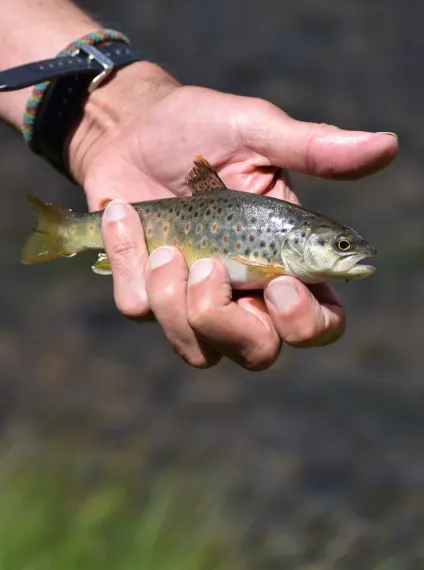
Brookies key in on them quickly, and a well-presented small dry fly or emerger pattern in the right size can produce action even in less-than-perfect weather.

guided fly fishing trip with experienced fishing guides
caney fork fly fishing using effective nymphing methods

March Brown Mayflies Bring Bigger Bugs to the Water

As the season moves into early April, March brown mayflies begin appearing on many of East Tennessee's waters. These are a noticeably larger insect than the blue-winged olive, and trout generally respond with more aggressive rises once this hatch gets underway.

March browns tend to hatch during the midday hours on cooler days, giving you a predictable window to plan around. Because of their size, March brown patterns are easier for anglers to see on the water. They're also a favorite among those fishing dry fly patterns for the first time each season.

Sulfur Hatches Signal Consistent Spring Fishing

As spring progresses, the sulfur hatch becomes one of the most anticipated events on East Tennessee waters. Sulfurs are smaller, pale yellow mayflies that hatch in the evening hours as water temperatures stabilize into a comfortable range (for both the insects and the fish feeding on them). This hatch produces some of the most consistent dry fly fishing of the entire spring, with brookies rising steadily for extended stretches once the hatch gets going.

If you are fishing the sulfur hatch, expect fish to key in tightly on size and color, since trout become more selective once they've seen several days of this insect on the water.

Mother's Day Caddis & the Return of Dense Hatches

No discussion of spring hatches in East Tennessee is complete without mentioning the "Mother's Day caddis". This is one of the most talked-about events on trout streams throughout the region. This hatch generally arrives in early-to-mid May and is known for producing genuinely dense hatches, with caddis flies covering the water.

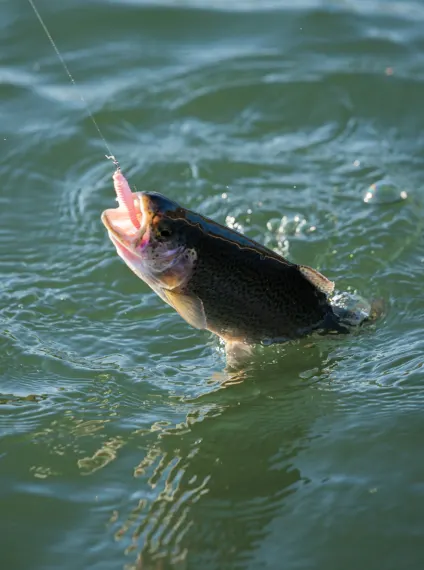
During a strong emergence, rainbow trout generally abandon their usual caution and feed aggressively on the surface. This gives you a rare window where caddis patterns consistently outproduce other fly types.An "elk hair caddis" is one of the most reliable patterns to carry during this stretch, since its floating profile holds up well through repeated casts and continued use once fish start keying in.

Where to Find the Best Spring Hatches

The South Holston is one of the most productive tailwaters in East Tennessee in spring, known for strong mayfly hatches and consistent hatch timing tied to water-release schedules.

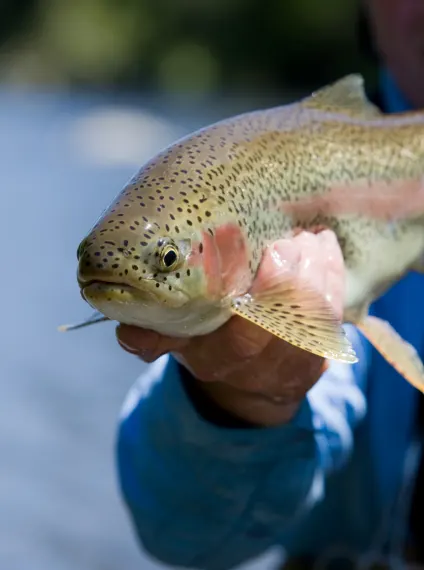
This river holds healthy populations of rainbow trout, and the combination of cold, stable water and stable insect activity makes them a favorite destination during peak hatch season.

Beyond South Holston, many streams throughout the region see similar hatch patterns, though timing can shift by a week or two depending on local weather conditions or elevation.

clinch river fly fishing experience with a professional guide

Tips for Fishing Spring Hatches Successfully

Watching the water closely is one of the simplest ways to identify which hatch is active on a given day. Insects with wings dry and upright, riding the water current before flight, are a clear signal that a hatch is underway.

Matching fly size and color to what's actually on the water matters more during spring than almost any other season, since selective trout in fished water can refuse a fly that's close but not quite right.

You should carry a small selection of blue-winged olives, March browns, sulfurs, and caddis patterns in a few sizes; this covers most situations you will run into during a spring trip.

How to Make the Most of Spring on the Water

Spring hatches change East Tennessee's trout waters into some of the most active and rewarding water of the entire year. From the early blue-winged olive emergences on cool, overcast days to the explosive mother's day caddis activity in May, each hatch offers a different kind of reward.

Anglers who pay attention to water temperature, timing, and insect activity put themselves in position to experience some of the best dry fly fishing East Tennessee has to offer, season after season.

Call Frontier Anglers TN for Trout & Smallmouth Fly Fishing

Call Frontier Anglers TN to book a guided trip during peak spring hatch season on East Tennessee's premier trout waters. Trips are available on the Cherokee-Holston River, Douglas-French Broad River, Norris-Clinch River, Little River, Pigeon River, and Caney Fork River. 

Book your trip today and experience the season's best hatches firsthand. Call us at 865-719-0227.

Frequently Asked Questions

Q1. What color is hardest for trout to see?

A: Trout generally have the hardest time detecting colors on the orange and red end of the spectrum in low light or deeper water.

Q2. How old is a 20-inch rainbow trout?

A: A rainbow trout reaching 20 inches is generally 4 to 6 years old, depending on the growing conditions of its home water.

Q3. Where are the best places to trout fish in East Tennessee?

A: South Holston, Clinch River, and Caney Fork River are among the top trout destinations in East Tennessee.

Q4. What fish are biting in Tennessee right now?

A: Trout activity picks up considerably in spring as hatches increase, with brown trout and rainbow trout both feeding actively during peak hatch periods.

Q5. What is the best bait for fishing in Tennessee?

A: For trout specifically, small flies matched to the current hatch, along with live bait such as minnows or worms on conventional tackle, produce consistent results.

Q6. What colors not to wear when fishing?

A: Bright colors like red, white, and neon shades are best avoided, since they can spook fish in clear, shallow water.

CHECK OUT

Our Supporters

©frontier anglers tennessee ALL RIGHTS RESERVED.