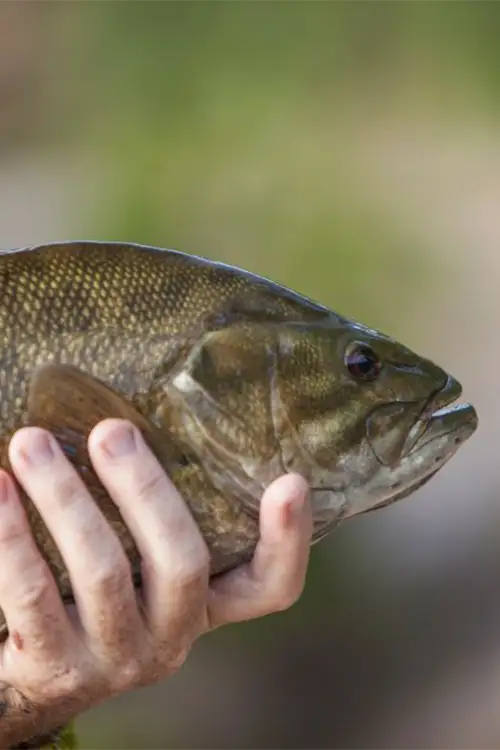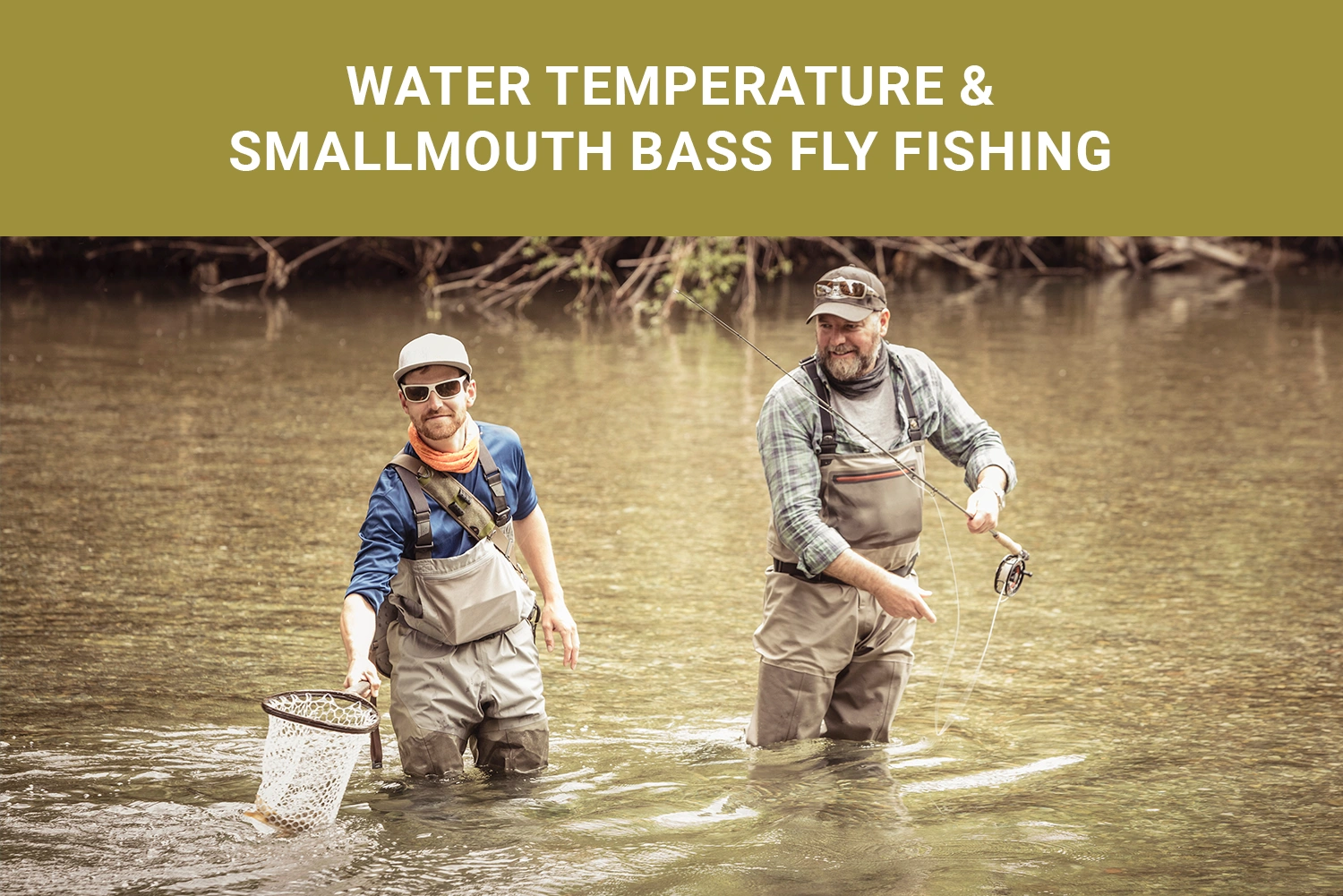
Successfully finding smallmouth bass in Tennessee's vast rivers isn't as simple as making a random cast. These fish are driven almost entirely by water temperatures and river structure. So, how do you locate those productive pools where smallmouth congregate?
The answer is found by reading the river and recognizing how smallmouth behavior changes with the seasons. Unlike trout, which thrive in consistently cold water, smallmouth bass are a warmer water species. Their location and willingness to feed are directly tied to the temperature of their habitat. Let's understand how river temperature affects smallmouth bass fly fishing tactics.
Water Temperatures in Smallmouth Behavior
Water temperature dictates their metabolic rate, feeding habits, and seasonal movements. Think of it this way:
- Cooler water = Slower fish
- Warmer water = More aggressive fish
Here’s a general breakdown of how smallmouth react to different temperature ranges:
Below 50°F
They become lethargic and retreat to deep winter holes to conserve energy. The bite can be tough, and you’ll need to present your lures or fly slowly and right in front of their face.
50°F - 60°F
You’ll see the first real signs of life. This is the pre-spawn period. Fish begin to move out of their wintering areas and stage near future spawning sites. They are starting to feed more actively to build energy for the spawn.
Below 50°F
They become lethargic and retreat to deep winter holes to conserve energy. The bite can be tough, and you’ll need to present your lures or fly slowly and right in front of their face.
50°F - 60°F
You’ll see the first real signs of life. This is the pre-spawn period. Fish begin to move out of their wintering areas and stage near future spawning sites. They are starting to feed more actively to build energy for the spawn.