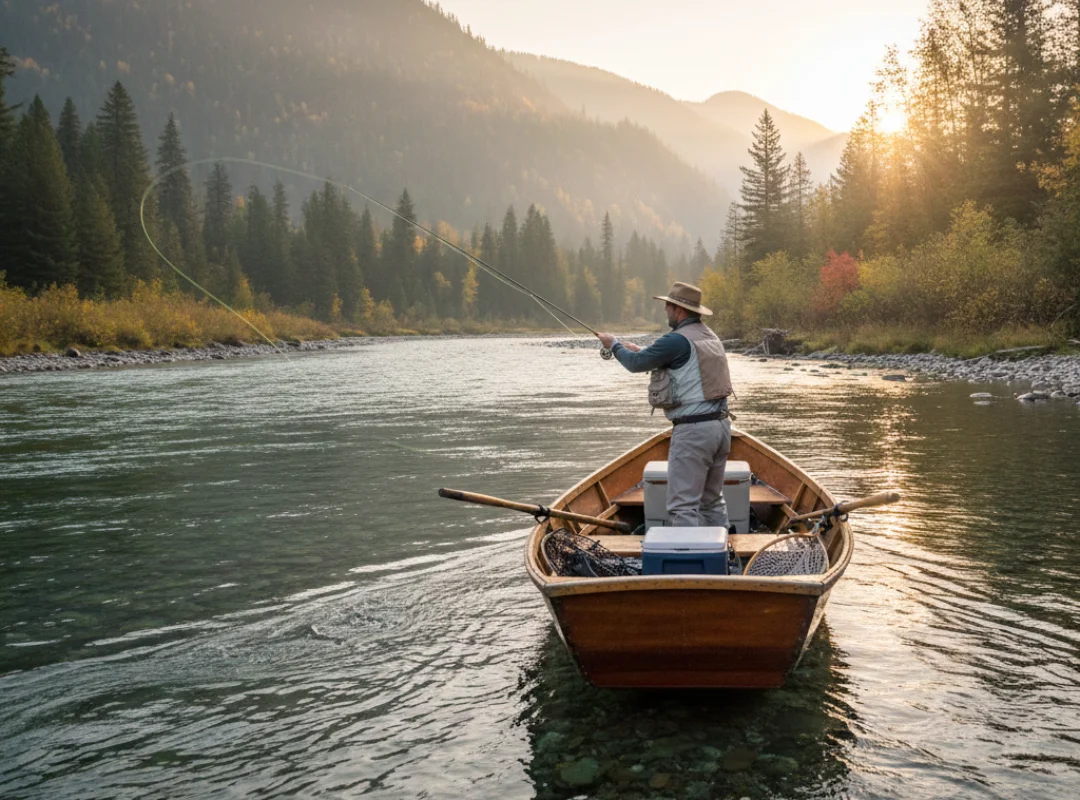
What Fly Patterns Do East Tennessee Smallmouth Prefer in Summer

What fly patterns do East Tennessee smallmouth prefer in summer

Summer smallmouth fishing in East Tennessee unfolds in a way that seasoned fly anglers spot at a glance. The water turns clear, flows find their beat, and the menu for hungry smallies becomes obvious. While fly selection is just one piece of the puzzle, knowing what smallies crave each season is the real game-changer to success. Let's talk about the fly patterns East Tennessee smallmouth favor in summer, exploring their behavior, what's on the menu, and how savvy anglers tweak their approach across deep-water haunts.

What Fly Patterns Do Tennessee Smallies Prefer in Summer

Summer marks a shift from spring reaction strikes to calculated feeding behavior. Smallmouth bass remain aggressive but are more selective than earlier in the year. The reason is that they feed with purpose rather than just impulse.
In East Tennessee rivers, stable summer flows allow smallies to settle into defined lanes. Fly selection reflects this stability. Patterns that imitate real food outperform novelty designs. Having knowledge of this important seasonal shift helps you match the moment rather than chase trends from the broader fly fishing world.

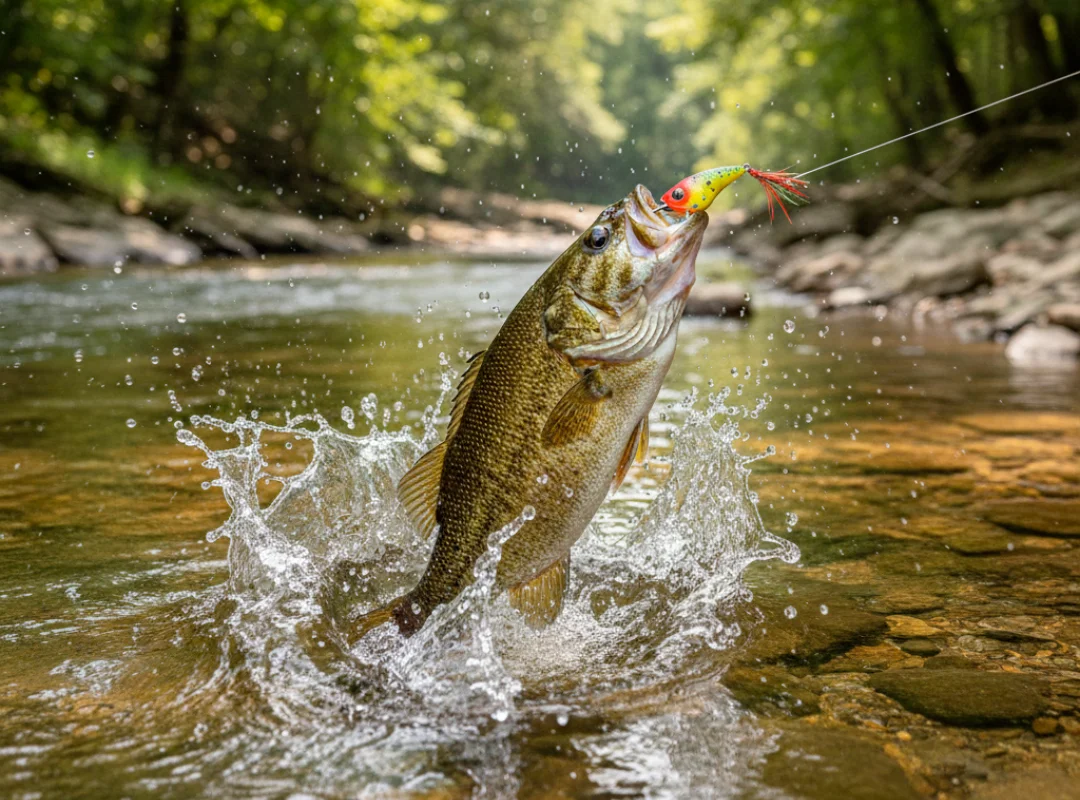
Behavior of Smallmouth Bass in Summer Conditions

During the summer months, smallmouth bass fishing becomes more about placement than speed. Brownies hold close to structure, depth changes, and current seams that give you predictable feeding windows.
Rising water temperatures push fish toward:

Fish conserve energy and wait for food to move naturally into their lane. This behavior rewards precise casts and clean drifts rather than constant movement.

Fly Fishing Strategy for Summer Smallmouth Fishing

In summer fly movement really quickly. Experienced bronzeback anglers slow down and fish with strategy rather than covering water aggressively.
Flies that sink at a controlled rate and maintain a natural profile in water current dominate summer success. The actual goal is not flash — but believability.fishing, fewer casts matter more. Fish see more pressure and recognize unnatural 

Fly Patterns That Match Summer Forage

Summer forage in the rivers of East Tennessee becomes consistent.Subsurface patterns that resemble small baitfish also perform well when presented along drop-offs and current seams. Matching size matters more than color during this period.
What is the Best Fly Pattern for Smallmouth Bass
What is the Best Lure for Smallmouth Bass in the Summer

Pheasant Tails & Subsurface Confidence Patterns

Though commonly associated with trout, pheasant tails remain relevant during summer smallmouth fishing. Their natural movement and slim profile imitate a variety of aquatic life present in Tennessee rivers.
When smallies shift into feeding lanes that resemble trout water, these flies bridge the gap between trout behavior and bass feeding habits. This crossover explains why anglers experienced in tailwater trout fishing adapt quickly to summer smallmouth conditions.

Targeting Smallies in Tailwater Rivers

Tailwater rivers in Tennessee give you consistent summer fishing due to cooler water and stable flows. These systems reward fly fishing anglers who fish with patience and precision.
Patterns that work well in tailwaters generally mirror those used for large Brookies, scaled slightly for bass. Controlled drifts through structure and seams remain more productive than fast retrieves.
Knowing how smallmouth bass relate to flow in tailwaters is critical when targeting smallmouth bass during hotter months.

The Tennessee River System & Summer Fly Selection

The Tennessee River system provides diverse smallmouth habitat. Larger water means deeper structure, longer drifts. It also means more focus on depth control.
In these settings, flies must reach the strike zone really fast and then stay there. Weighted streamers and bottom-oriented patterns work best when presented from a drift boat, allowing you to manage speed and angle.

Pigeon River & Regional Summer Patterns

Rivers like the Pigeon River highlight super classic summer smallmouth behavior. Bass settle into predictable holding zones and feed when the water current delivers food.
If you can read water in the right way and smartly, you can find quality fishing even during bright conditions. Pattern choice matters a bit less than how the fly enters and moves through the lane.

Quality Fishing Versus Quantity in Summer

The summer season is not about chasing numbers. It is about quality fishing. Fewer fish mean larger, more deliberate feeders.
Anglers who are focused on learning how smallies position themselves during summer develop patterns that remain useful into early fall, when behavior begins shifting again.

Fly Rod Selection & Presentation Control

A properly matched fly rod gives you control of angle, depth, and drift speed. Summer flies generally require heavier leaders and weighted patterns, which demand fishing gear that is capable of managing load without sacrificing your precision. Presentation remains the main deciding factor even when the right fly is picked.
What Flies Are Good for Bass in Spring

Bass Fishing Regulations & Seasonal Awareness

Responsible fly fishing anglers remain aware of regulations set by the Tennessee Wildlife Resources Agency. Carrying a valid Tennessee fishing license is a must-have, and understanding seasonal guidelines supports continued access to quality water.
Regulations influence when and how anglers fish certain areas, especially during times of increased recreational pressure.

Catch Smallies by Reading Summer Water

Fellow anglers who consistently catch smallies during summer months do so by adjusting expectations. Fish will not chase far. They feed on schedule.
Matching fly choice to seasonal forage while reading depth, current, and structure produces reliable results across East Tennessee waters.

Conclusion

Knowing what fly patterns East Tennessee smallmouth prefer in summer means having detailed knowledge of the fish themselves. Summer smallmouth hold predictably, feed deliberately, and reward you if you focus on presentation. East Tennessee gives consistent summer opportunities to you if you are willing to slow down and fish with intention.

Fish East Tennessee With Frontier Anglers TN

Frontier Anglers TN offers fly fishing trips across East Tennessee, including the Cherokee-Holston River, the Douglas-French Broad River, the Norris-Clinch River, the Little River, the Pigeon River, and the Caney Fork River.
Trips are all about seasonal fly selection, reading summer water, and helping you refine techniques that produce results beyond a single day on the river.
Call us now and book your trip today.

Frequently Asked Questions

1. Do fly patterns in the summer for small changes across different East Tennessee rivers?

Yes. While core summer patterns stay consistent, rivers differ in forage, depth, and flow.

2. Are trout flies useful for smallmouth in summer?

Some trout patterns translate well, especially in tailwater rivers where feeding behavior overlaps.

3. Does fly choice matter more than presentation?

Presentation matters more. The right fly, when placed poorly, rarely produces consistent results.

4. When does summer smallmouth behavior begin to change?

Behavior generally shifts toward early fall patterns as water temperatures moderate and feeding windows expand.

5. Can Frontier Anglers TN help fly fishing anglers fish for summer smallmouth in Tennessee?

Yes. We guide fly anglers across Tennessee and help you match fly patterns and presentation to summer smallmouth behavior.

CHECK OUT

Our Supporters

©frontier anglers tennessee ALL RIGHTS RESERVED.