How Do I Identify Productive Pocket Water In Mountain Trout Streams

Dry Fly vs Wet Fly vs Nymph

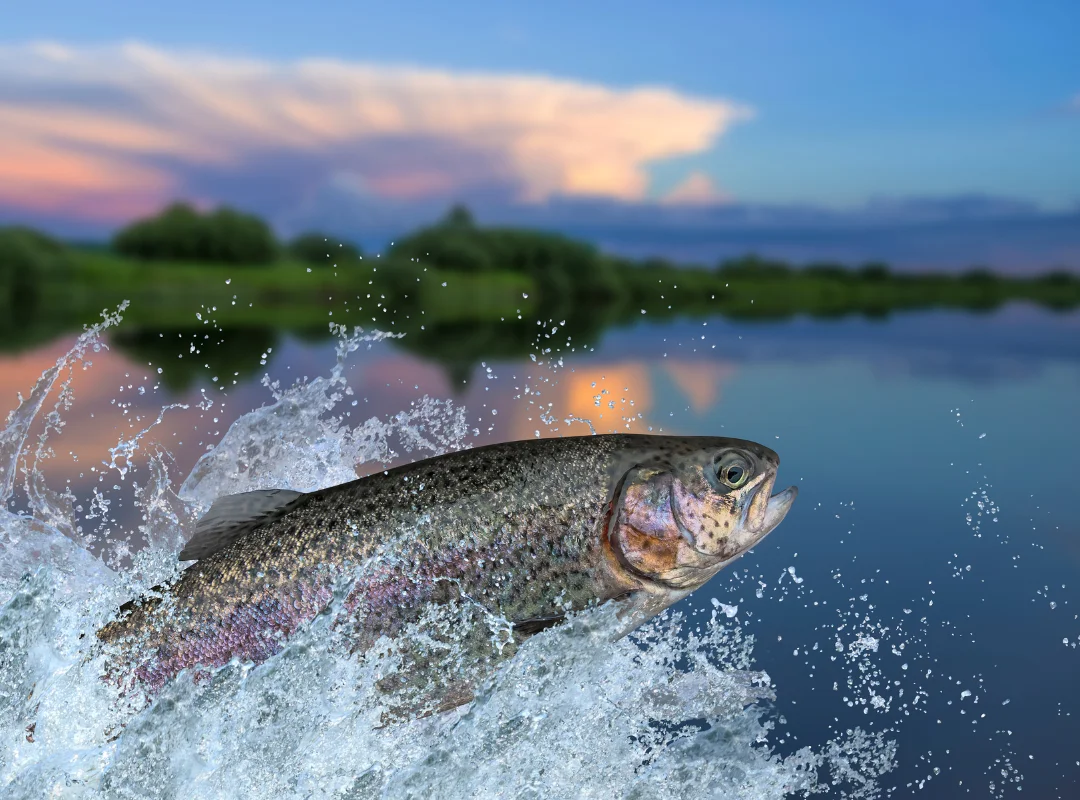
Mountain streams demand sharp observation and quick decisions. Learning how to identify productive pocket water in mountain trout streams can change your time on the water from random casting into consistent success. Let's talk more about this.

Productive Pocket Water & Mountain Trout Streams

In fly fishing, recognizing productive pocket water starts with reading the water's current. These broken sections of freestone streams form little holding zones where brookies hold out of heavy current while waiting for food. The continuous water flow delivers insects, allowing fish to stay in position.
When fishing pocket water, fly anglers focus on short, precise drifts rather than long presentations. Each pocket may hold one or more fish, and carefully targeting these areas increases your chances of catching them. These sections generally produce more fish than open water because of the steady food supply.

What Makes Pocket Water Productive

Productive pocket water forms where ledges, rocks, and current seams break the flow. You’ll find slower water behind these obstacles, where trout conserve energy. These small cushions in the current are prime feeding zones where fish can move into faster water to grab drifting insects.
Trout position themselves where they can see food approaching while staying hidden from aerial predators. This balance between access to food and protection defines where fish choose to stay. Observing how water moves around these rocks helps you understand where fish are likely to be.
How Trout Feed In Pocket Water

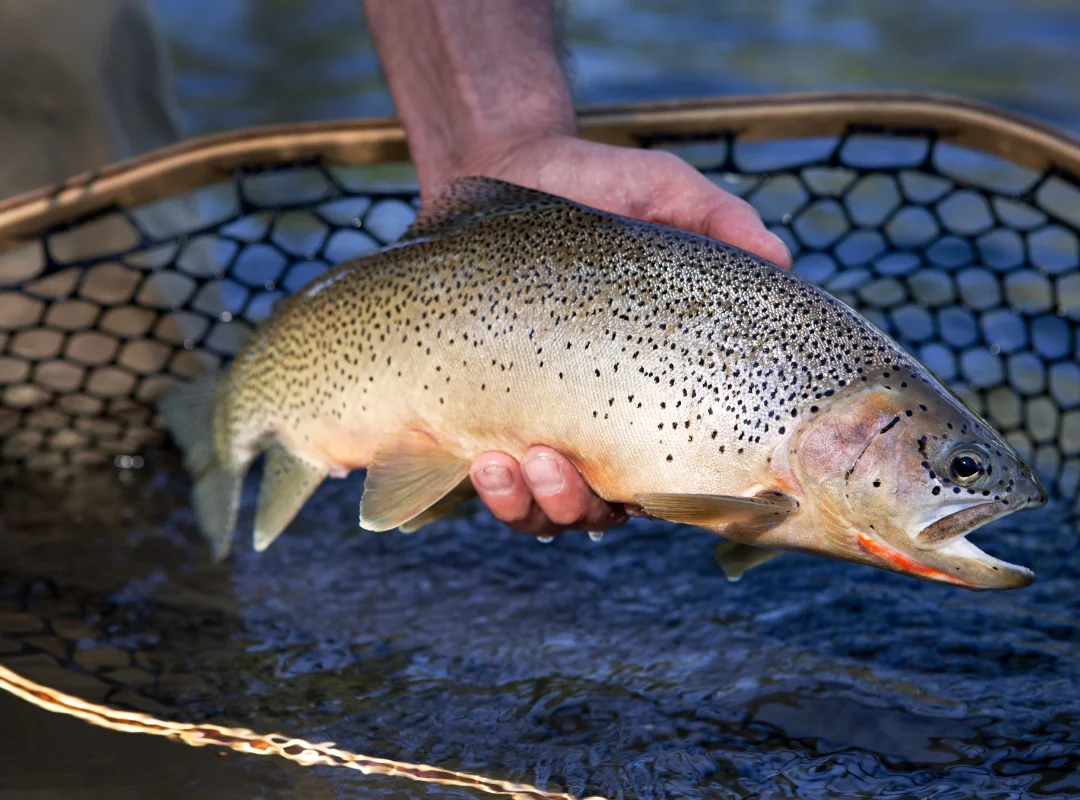
How trout feed in these environments is the real game changer. Fish sit in current breaks and watch for food drifting naturally. Presenting your fly so it drifts downstream naturally through these lanes increases your success.
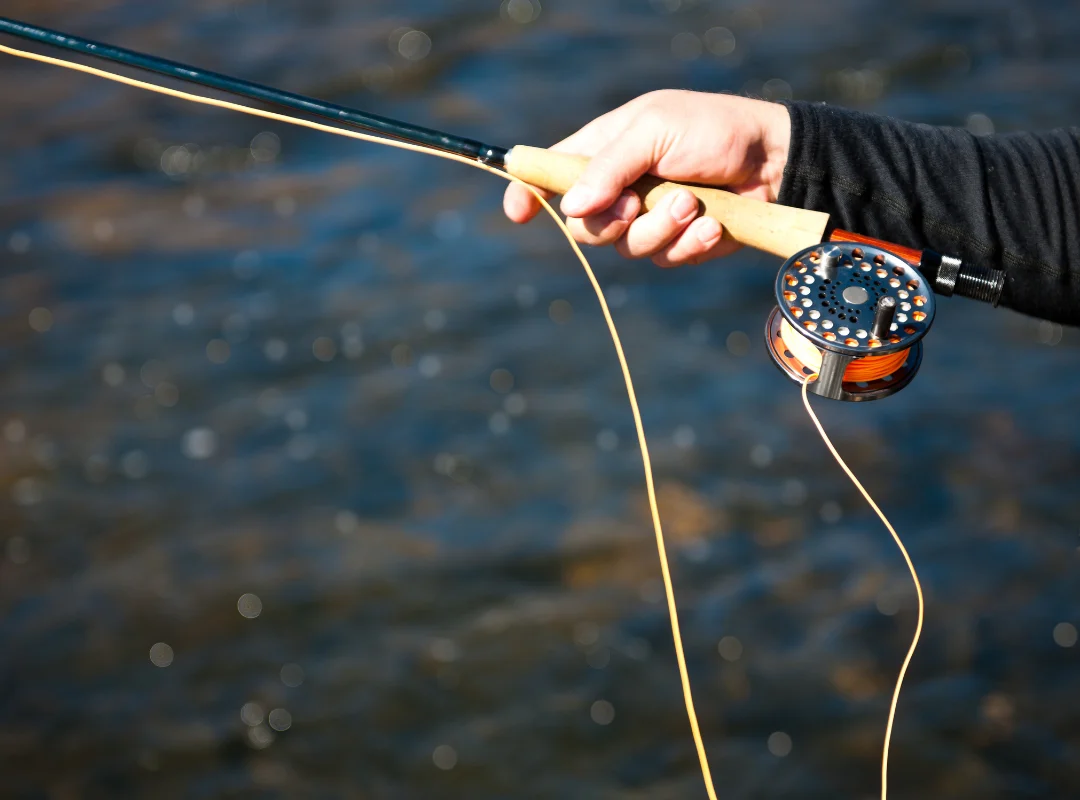
A drag-free drift is super critical. Fish get alerted and cause refusals because of any unnatural movement in your fly line. Keeping your presentation natural allows trout to commit without hesitation, especially in clear mountain streams.
Professional Fly Fishing Guide Tennessee
Dry Fly vs Wet Fly Fishing

Best Techniques For Fishing Pocket Water

When fishing pocket water, two things matter the most:
Techniques like high-sticking keep most of your fly line off the water, reducing drag and improving control. This approach is great and works well in small streams where currents change quickly.
Positioning yourself a few feet upstream of the target allows your fly to enter the pocket naturally. As your fly moves through, use your rod tip to guide the drift without pulling the fly unnaturally. This controlled presentation helps you stay connected to strikes.

Using The Right Flies In Your Fly Box

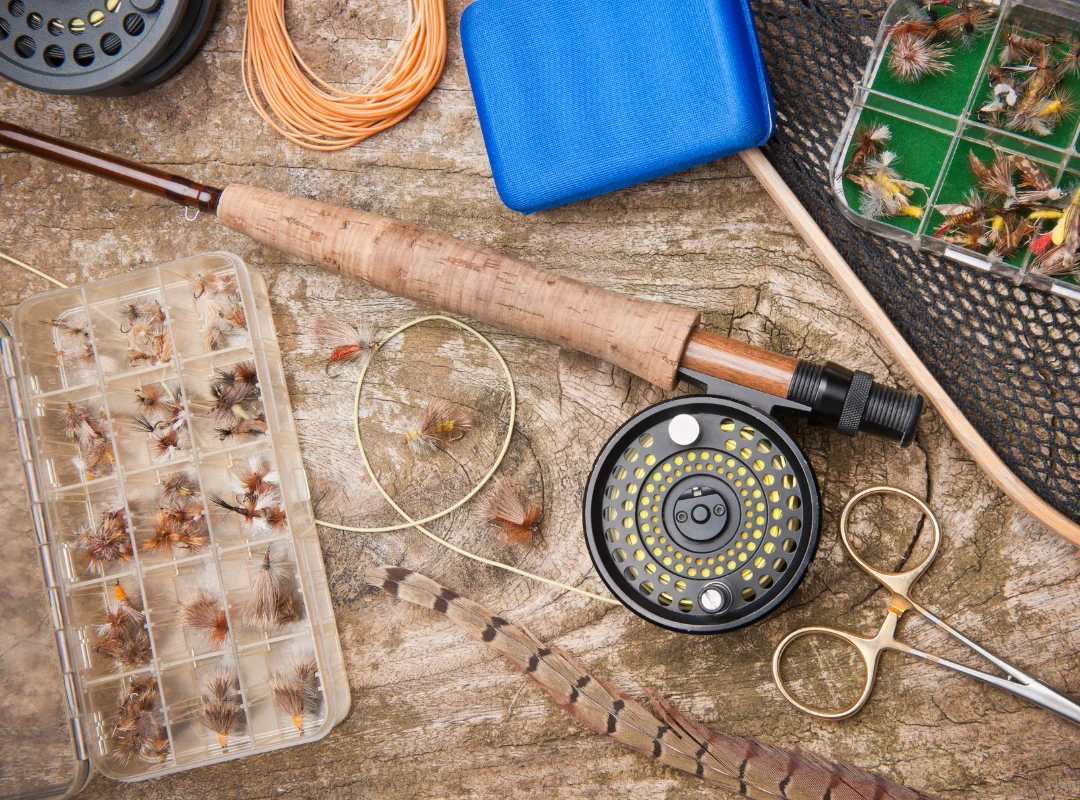
Your fly box should include fly fishing patterns that match the natural food drifting through the stream. A pheasant tail nymph is a great choice for many mountain streams because it imitates common aquatic insects.
When you are using a dry fly, focus on pockets where fish are actively feeding (near the surface). In faster sections, subsurface patterns generally produce better results. Adjusting your approach based on water depth and flow helps increase your chances of catching fish.

Spotting Trout In Pocket Water

Learning to spot trout in broken water takes some practice, so you have to look for :
In clear conditions, you may even see brown trout holding close to the structure. The largest trout generally occupy the best positions, such as:
These fish choose spots that deliver consistent food while offering protection. Identifying these fly fishing spots increases your chances of hooking a big fish.

Reading Temperatures & Flow of the Water

Water temperatures influence where fish position themselves throughout the day. trout may spread out across multiple pockets in cooler conditions. As temperatures rise, fish generally move into oxygen-rich areas where the current is stronger.
Changes in the flow of water also impact where fish hold trout.
Always pay attention to these changes because this will help you adapt your strategy.

Dry Fly & Nymph Strategies in Pocket Water

Both nymphs and dry fly presentations work great in pocket water, but each has its place.
Nymphs excel in deeper pockets where fish feed below the surface. Allowing your flies to move naturally as they fly downstream increases your chances of success.
Dry flies shine when trout are rising. In these moments, placing your fly in the right seam with a drag-free drift can lead to exciting surface takes.
You can also switch between these techniques based on fish activity, as this will help you stay productive.

Why Pocket Water Holds More Fish

Well, this is something interesting to know. Compared to slower sections, fishing water with broken currents generally holds more fish. These areas become attractive feeding zones because of the constant supply of drifting food. Fish don’t need to move far, conserving energy while still feeding regularly.
In freestone streams, this pattern repeats throughout the river. Each pocket becomes an opportunity, and covering water methodically increases your chances of success.

Conclusion: Mastering Pocket Water For Better Results

Learning how to identify productive pocket water in mountain trout streams is about three things.
From reading current seams to achieving a natural drift, each detail plays a role in your success. As you spend more time on the water, recognizing these patterns becomes your second nature, leading to more consistent hookups and memorable days on the water.

Guided Fly Fishing Trips With Frontier Anglers TN

Take your fly fishing skills to the next level with Frontier Anglers TN. Explore the Douglas - French Broad River, Norris - Clinch River, Cherokee - Holston River, Little River, Pigeon River, and Caney Fork River with us because we understand how to read pocket water and help you find big fish in productive water.
Call us at 865-719-0227 and book your trip today to experience some of the best smallies and trout fishing opportunities in Tennessee.
Dry Fly vs Nymph

Frequently Asked Questions

Q1. What is pocket water in trout streams?

A: Pocket water refers to sections of broken current created by structures and rocks where trout hold and feed.

Q2. Why do trout prefer pocket water?

A: These areas provide access to food while offering protection from strong currents and predators.

Q3. What is the best technique for fishing pocket water

A: Short casts combined with high sticking and controlled drifts work well in these fast-moving sections.

Q4. Can beginners learn to fish in a pocket of water?

A: Yes, with practice and observation, fly fishing anglers can quickly learn how to read water and improve their success.

Q5. Where can I fish pocket water in Tennessee?

A: Frontier Anglers TN offers trips across Tennessee rivers where you can learn to read and fish productive pocket water.

CHECK OUT

Our Supporters

©frontier anglers tennessee ALL RIGHTS RESERVED.