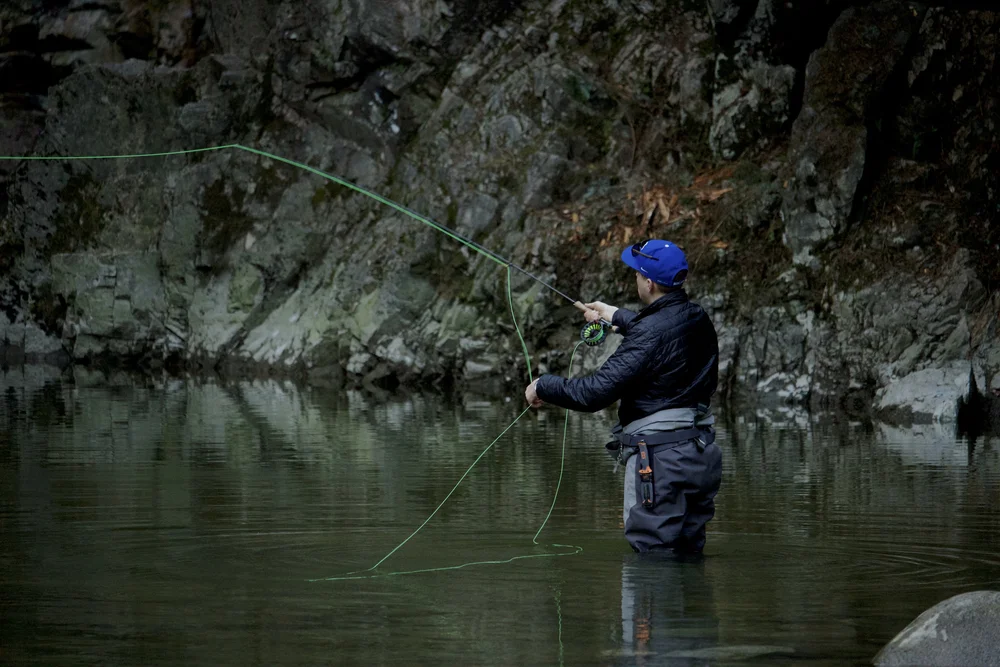
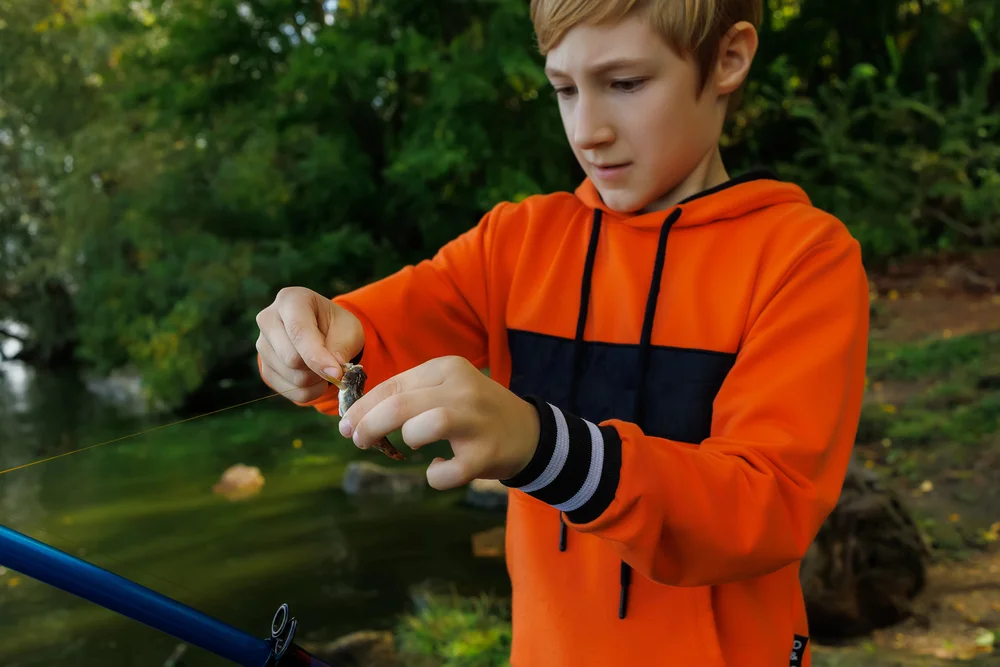
What Nymphing Techniques Work Best In Tennessee's Freestone Streams

nymphing techniques for tennessee freestone streams fly fishing

Tennessee freestone streams demand respect. They shift with the rain, drop fast, and change mood by the hour. You cannot rely on one setup and hope for the best. You need to read the water, understand fish behavior, and adjust on the fly. That is why anglers often ask what nymphing techniques work best in Tennessee’s freestone streams, especially across East Tennessee. We will break down the techniques that actually produce results. We also explain how water conditions, seasonal patterns, and fly selection shape fishing success. Stick with us, because the details make the difference between an empty net and a bent fly rod.

Understanding Tennessee’s Freestone Trout Streams

Freestone trout streams flow directly from rainfall and snowmelt. They lack dam control, so water temperatures and water clarity change quickly. East Tennessee fishing features some of the best examples, including the Doe River, Elk River, and high-elevation waters near Roan Mountain State Park. These trout streams support brook, rainbow, and brown trout, including wild and stocked trout.
Aquatic insects drive the trout population in these waters. Nymphs serve as the primary food source most of the year. Rising trout may show interest in dry fly fishing during mayfly hatches or midge hatches, but nymph fishing produces consistent results across seasons.

Why Nymph Fishing Dominates Freestone Streams

Nymph fishing works because trout feed subsurfaces most of the time. In freestone streams, fast currents push food downstream. Trout hold in pocket water, deep pools, plunge pools, and slower pools where they conserve energy. Nymphing techniques place the fly at the same speed as the current, right in the feeding lane.
Dry fly presentations shine during short windows. Streamer fishing can trigger larger fish. Still, nymph fishing stays productive from early spring through winter.

High-Stick Nymphing for Tight Freestone Water

High-stick nymphing suits narrow trout streams and fast pocket water. You keep most of the fly line off the water and control the drift with your rod tip. This technique works well when you wade fish in shallow runs and plunge pools.
Use a short leader, split shot, and effective fly patterns that imitate aquatic insects. Adjust the weight until the flies tick the bottom without snagging. High-stick nymphing helps you detect subtle strikes from active fish.
guided fly fishing trip with experienced fishing guides
caney fork fly fishing using effective nymphing methods

Euro Nymphing for Precision & Control

Euro nymphing thrives in clear water and structured runs. This method skips indicators and relies on a tight connection to the flies. Anglers use a long fly rod, thin fly line, and a direct drift to feel every take.
This technique excels in slower pools and deep pools where larger trout feed close to the bottom. Euro nymphing works well on the South Holston River when flows drop, even though it functions as a tailwater fishery managed by the Tennessee Valley Authority.

Indicator Nymphing for Changing Conditions

Indicator nymphing offers flexibility in unpredictable fishing conditions. You can cover both slow water and fast runs with ease. This approach suits anglers fishing from a drift boat or from spots that require longer casts.
Adjust the indicator depth based on water temperatures and fish activity. During early morning or early summer, trout often feed deeper until light levels rise. Indicator rigs help you stay in the strike zone longer.

Two-Fly Rigs Increase Hookups

Running two nymphs improves your odds. Pair a heavier anchor fly with a smaller dropper to cover different feeding preferences. Use proven fly patterns that imitate mayfly nymphs, stoneflies, or midges.
Effective fly patterns include Pheasant Tails, Hare’s Ears, and midge imitations. Keep an Elk Hair Caddis or dry fly ready in your fly box for sudden surface activity. When rising trout appear, you can switch to dry fly fishing without missing a beat.

Reading Water Like a Local Angler

Successful nymph fishing starts with water reading. Focus on seams where fast and slow water meet. Fish pocket water behind boulders and undercut banks. Probe deep pools during winter fishing and early spring.
Large brown trout often hold in slower pools near structure. Brook trout prefer colder headwaters with clean gravel. Rainbow trout spread across riffles and runs. Each fish species responds differently, but nymphing techniques let you target them all.

Seasonal Nymphing Strategies That Work

Seasonal patterns shape fly selection and presentation. Early spring brings high water and cold temperatures. Use heavier split shots and drift flies close to the bottom. Early summer sees increased fish activity and frequent mayfly hatches.
During winter fishing, trout feed less often but still eat. Downsize flies and slow the drift. Maintain contact and watch your fly line for hesitation.
clinch river fly fishing experience with a professional guide

Matching Flies to Food Sources

Fly selection matters. Match local aquatic insects rather than forcing flashy patterns. Check rocks for nymphs before you rig up. Use patterns that reflect size and color.
Carry a balanced fly box with nymphs, streamers, and dry flies. Streamer fishing can tempt larger fish during off-color water. Still, nymph fishing remains the most reliable way to catch trout across varied fishing conditions.

Regulations & Responsible Angling

Always follow local regulations set by the Tennessee Wildlife Resources Agency. Pay attention to catch limits, seasonal closures, and special regulations. Some waters restrict harvest to protect a healthy trout population.
Wear a life jacket when fishing in swift water or boating. Safety matters, especially when wade fishing freestone streams after rain.

Popular Tennessee Freestone Destinations

Anglers flock to Watauga River fishing and Doe River access near Hunter Bridge. The Watauga River offers diverse fishing experiences, from tailwater stretches to freestone tributaries. Boone Lake influences downstream conditions, so monitor releases when planning a fishing trip.
The Elk River and South Holston River attract anglers seeking trophy trout. Local fly shops provide updates on fishing conditions, fly patterns, and water clarity. Many fishing clubs also share reports and host group fishing adventures.

How a Guide Improves Your Results

A skilled fishing guide shortens the learning curve. Guides understand how the Watauga River depends on seasonal flows and TVA schedules. They know where larger trout hold and how to present flies at the right depth. If you prefer both wading and drift-boat options, a guide can help maximize your fishing success.

Master Nymphing in Tennessee’s Freestone Streams

If you’ve ever stood on a freestone stream in Tennessee and wondered which nymphing techniques truly make fish bite, you know how frustrating it can be without the right guidance. Frontier Anglers, TN takes that frustration off your plate and puts you on the water with expert fly fishing guides who know precisely what works on East Tennessee trout and smallmouth bass waters. We help you select the right nymph patterns to read currents and present flies where fish actually hit. Our guides draw on decades of local experience spanning freestone streams, tailwaters, and Smoky Mountain waters. Schedule your guided trip today or contact Frontier Anglers, TN to secure your spot and fish smarter on your next Tennessee adventure. Contact us!
FAQs

Before diving into your next outing, many anglers have questions about guided services and local waters. Here are some common questions anglers ask about Frontier Anglers, TN.

Q1. What types of fishing trips does Frontier Anglers, TN offer?

A: Frontier Anglers, TN, provides guided fly fishing trips across East Tennessee. They offer both wading trips and drift boat trips, depending on river conditions and client preference.

Q2. Do Frontier Anglers, TN guides help with fly selection?

A: Yes. Frontier Anglers, TN guides assist with fly selection based on seasonal patterns, water temperatures, and fish behavior. They supply effective fly patterns suited to local trout streams.

Q3. Can beginners book a trip with Frontier Anglers, TN?

A: Absolutely. Frontier Anglers, TN, welcomes beginners and experienced anglers. Their fishing guides focus on instruction, safety, and building confidence with nymphing techniques.

Q4. Which rivers does Frontier Anglers, TN, guide on?

A: Frontier Anglers, TN guides on the Watauga River, South Holston River, Doe River, and other nearby waters. They choose fishing spots based on current fishing conditions and regulations.

Q5. How do Frontier Anglers, TN, support responsible fishing?

A: Frontier Anglers, T,N follows all local regulations and promotes catch-and-release practices where required. They educate anglers on conservation and maintaining a healthy trout population.

CHECK OUT

Our Supporters

©frontier anglers tennessee ALL RIGHTS RESERVED.