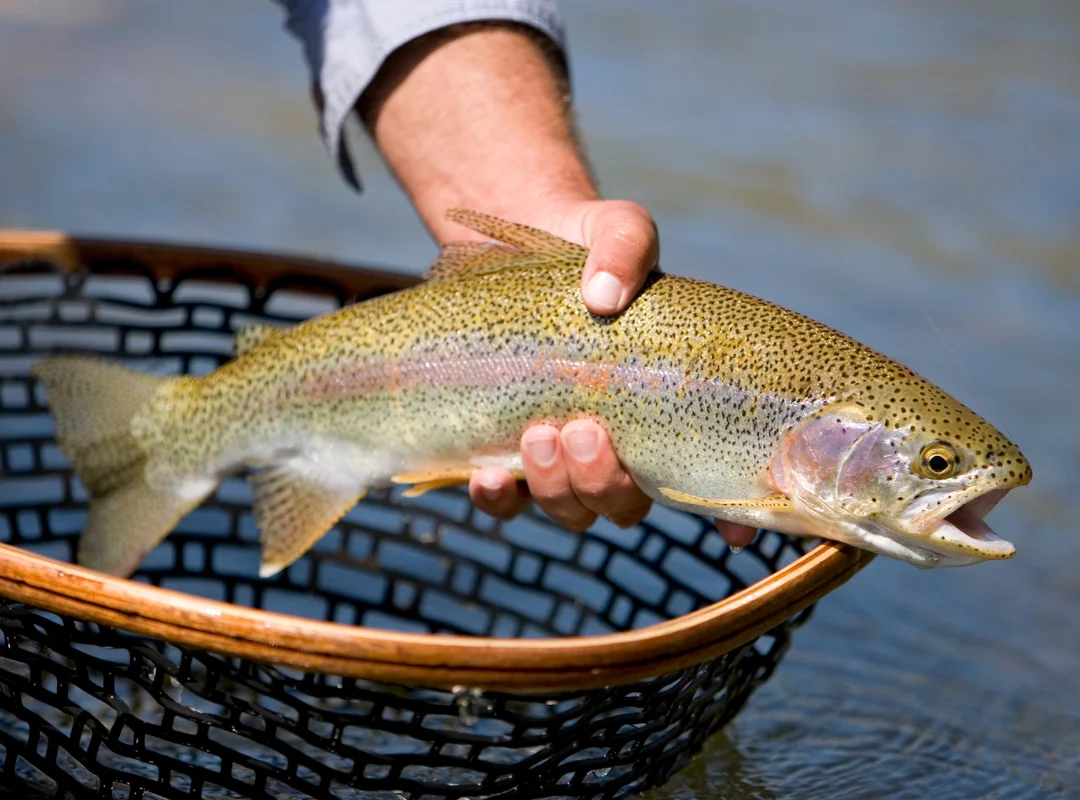
How to Handle a Trout While Fly Fishing

Knowing how to handle a trout while fly fishing is something every angler must know. In short, properly handling a trout while fly fishing requires keeping the fish in the water as much as possible, using a rubber-mesh net, and ensuring hands are wet before handling to protect the fish's protective slime layer. Let's break down the best practices for trout handling, from the moment the fish is on the line to the final release.

Gear and Preparation for Good Fish Handling

Before your fly even hits the water, you can set yourself up for a successful catch and release. How? Using the right fly fishing tackle and gear.

1. Use Barbless Hooks or Pinch Your Barbs

Barbless hooks make hook removal significantly faster and less damaging to the fish's mouth. The Forest Service found that barbless hooks can reduce handling time by up to 40% and reduce injury to trout's mouths. A quick hook removal means less time out of the water and a better chance of survival for the trout.
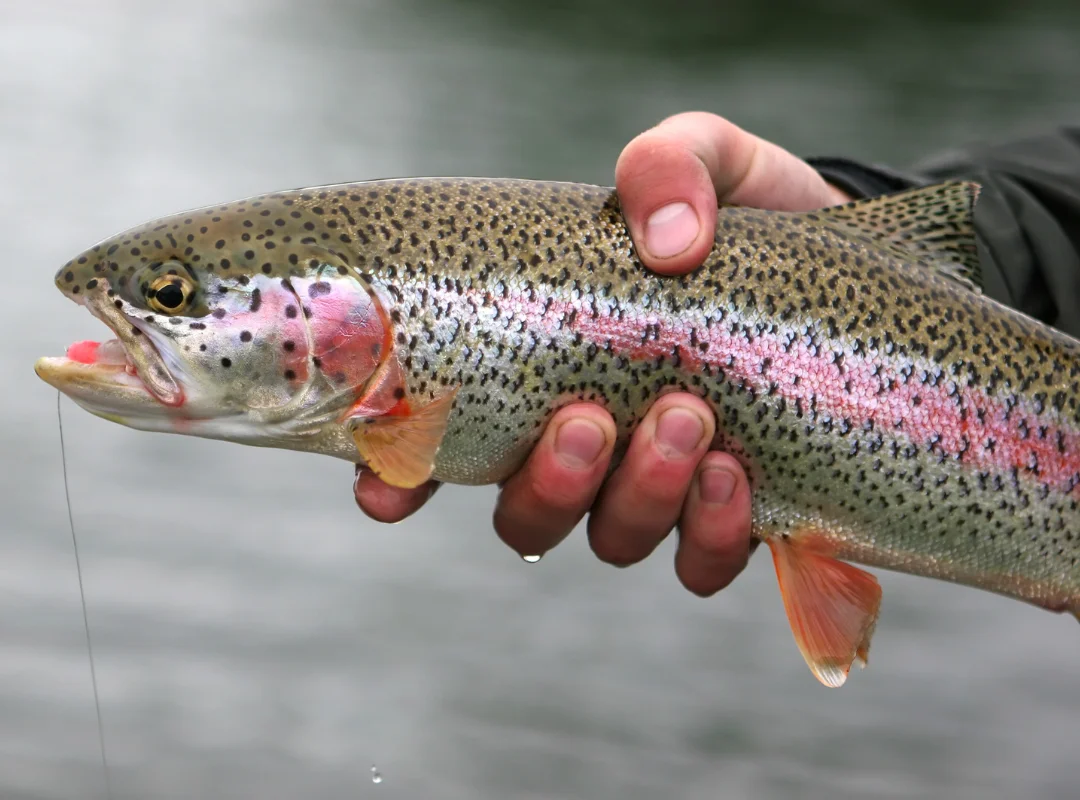
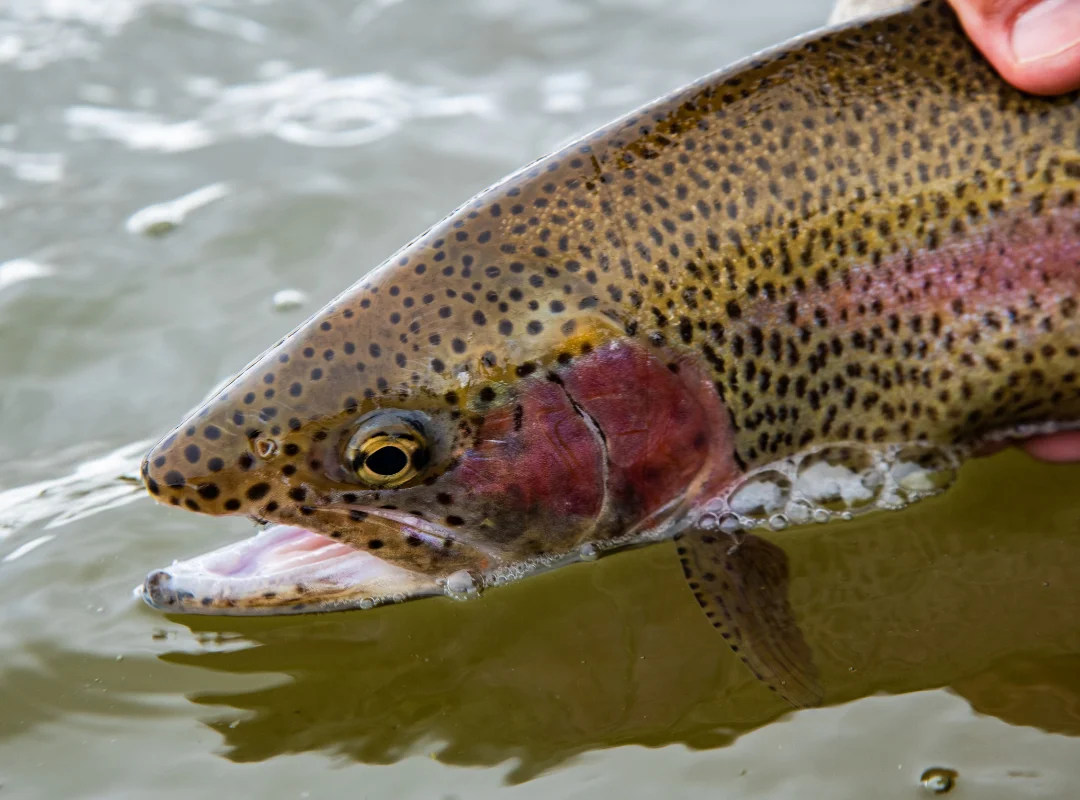
How to Correctly Handle Trout
How to Hold a Trout for Beginners

2. Choose the Right Rod & Line to Handle Trout

Using a rod-and-line setup that's too light for the size of the fish you're targeting prolongs the fight. For example, trying to land a 20-inch brown trout on a 2-weight rod is a recipe for an overly stressed fish. Pick the best rod length and action according to the water and the potential size of the fish. A 5- or 6-weight rod is a versatile choice for most Tennessee rivers.

This slimy coating is the fish's primary defense against bacteria and parasites. Rubber nets, on the other hand, are soft and cradle the fish gently, preserving that crucial slime layer. Plus, your hook is far less likely to get tangled in a rubber net, which also speeds up the release process.

3. Invest in a Rubber Net

This slimy coating is the fish's primary defense against bacteria and parasites. Rubber nets, on the other hand, are soft and cradle the fish gently, preserving that crucial slime layer. Plus, your hook is far less likely to get tangled in a rubber net, which also speeds up the release process.

How to Handle a Trout During the Fight?

The way you play and land a fish has a direct impact on its health. The goal here is to bring the fish to the net quickly without causing unnecessary stress. Keep the rod tip up and let the rod do its job. When the fish runs, let it run, but regain control as soon as you can.

A prolonged, drawn-out fight, especially in warmer water, can reduce a trout's chance of survival. Instead of immediately lifting the fish out of the river, let it rest in the submerged net while you prepare for hook removal. This gives the trout a moment to catch its breath in an oxygen-rich environment. This is how you can catch a big fish during fly fishing.

Trout Handling for a Safe Release

Dry hands act like sandpaper on a fish's body, stripping away its protective slime. This simple act of dipping your hands in the river first is non-negotiable for responsible catch-and-release. Think of that slimy coating as the fish's immune system. Proper trout handling becomes even more critical during catch-and-release-only seasons.

If you’ve pinched your barbs, this should be a quick process. If the hook is deep in the fish’s mouth or near the gills, it’s often safer to cut the line as close to the fly as possible. The hook will typically work itself out over time. Studies have shown that leaving a hook is far less harmful than performing invasive "surgery" on the riverbank.

Releasing Trout the Right Way

Hold the trout gently in the water, facing upstream into the current. This allows fresh, oxygenated water to flow over its gills. You can hold it by the tail, keeping its body upright. Don't move it back and forth; just let it rest and regain its strength.

You'll feel it start to swim or "kick" in your hand. When it tries to pull away on its own, open your hand and let it slide back into the depths. Watching a large fish swim away strongly is one of the most rewarding parts of fly fishing.

What to Do Immediately After Catching a Fish

Frequently Asked Questions (FAQs)

How to correctly handle trout?

Correct trout handling comes down to minimising stress and protecting the fish’s slime layer. Keep the trout in the water as much as possible, wet your hands before touching it, and use a rubber-mesh net. Remove the hook quickly, avoid squeezing the body, and release the fish facing into the current once it regains strength.

What is the 60/20/20 rule in fly fishing?

About 60% of the time, the fish should stay fully submerged. Limit air exposure to roughly 20 seconds total, and spend the final 20% of the interaction focused on a calm, proper release. It’s all about reducing handling stress and improving survival rates.

Are trout safe to handle?

Yes, trout are safe to handle as long as it’s done correctly. Wet hands, gentle pressure, and minimal air exposure are key. Trout don’t have sharp teeth or spines, but rough handling can seriously harm them. Treat each fish like a fragile resource, not a trophy, and you’ll keep both the trout and yourself safe.

What is the rule of 11 in fly fishing?

The rule of 11 helps anglers judge safe winter trout fishing in East Tennessee. Subtract the water temperature from 100. If the result is 11 or less, conditions are generally safe for catch-and-release. Anything higher means trout are under more stress, and it’s often best to avoid fishing or handle fish extremely quickly.

Final Thoughts

Knowing how to handle a trout while fly fishing is a skill that separates good anglers from great ones. From using barbless hooks and rubber nets to keeping your hands wet and minimizing air exposure, every small detail matters.

The next time you feel that tug on your line and bring a beautiful trout to the net, remember these steps. By handling each fish with care, you're doing your part to protect these incredible creatures for future generations.

Master Technical Rigging with Frontier Anglers TN

Want hands-on help for trout handling? Local knowledge makes a difference. Call Frontier Anglers TN to experience fly fishing on some of the region's most respected waters. We offer trips for the Holston River, Douglas on the French Broad River, Norris on the Clinch River, the Little River, and the Pigeon River. Call us now and book your trip today.

CHECK OUT

Our Supporters

©frontier anglers tennessee ALL RIGHTS RESERVED.