The difference between smallmouth tactics on the Holston vs. the FrBroadBroad comes down to clarity of water, forage base, flow patterns, and seasonal movement. Both rivers hold healthy populations of smallmouth bass and brookies, yet the approach that produces steady action on one can fall short on the other. If you are exploring East Tennessee, understanding these contrasts helps you make the most of your time on the water and sharpen your strategy. Let's explore more.
The Holston River Smallmouth Fishing Environment
The Holston River system, including stretches near the well-known South Holston River, offers a mix of tailwater influence and freer-flowing sections.
In many areas, Holston River smallmouth fishing is shaped by:
In many areas, Holston River smallmouth fishing is shaped by:
- Water releases and current seams
- Defined structures such as ledges, shoals, and rock gardens
Water clarity often runs higher than on the French Broad River (especially during stable flow periods).
Thanks to this clarity, Holston River smallmouth are often more selective. Fly fishing anglers frequently depend on:
Thanks to this clarity, Holston River smallmouth are often more selective. Fly fishing anglers frequently depend on:
- Precise presentations
- Natural color patterns
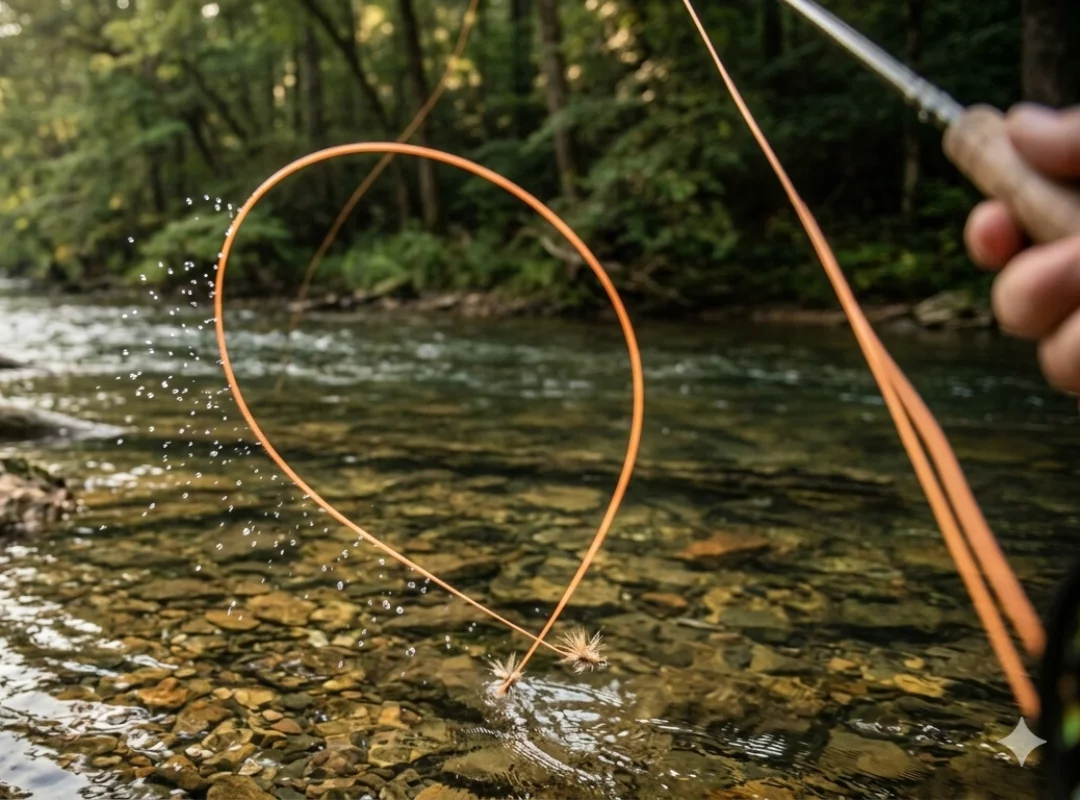
Fly fishing techniques such as dry fly fishing, nymph fishing, and light streamer fishing during active surface feeds come into play. When flows are moderate, drifting in a drift boat allows you to cover long stretches of productive runs while targeting eddies and transition zones.
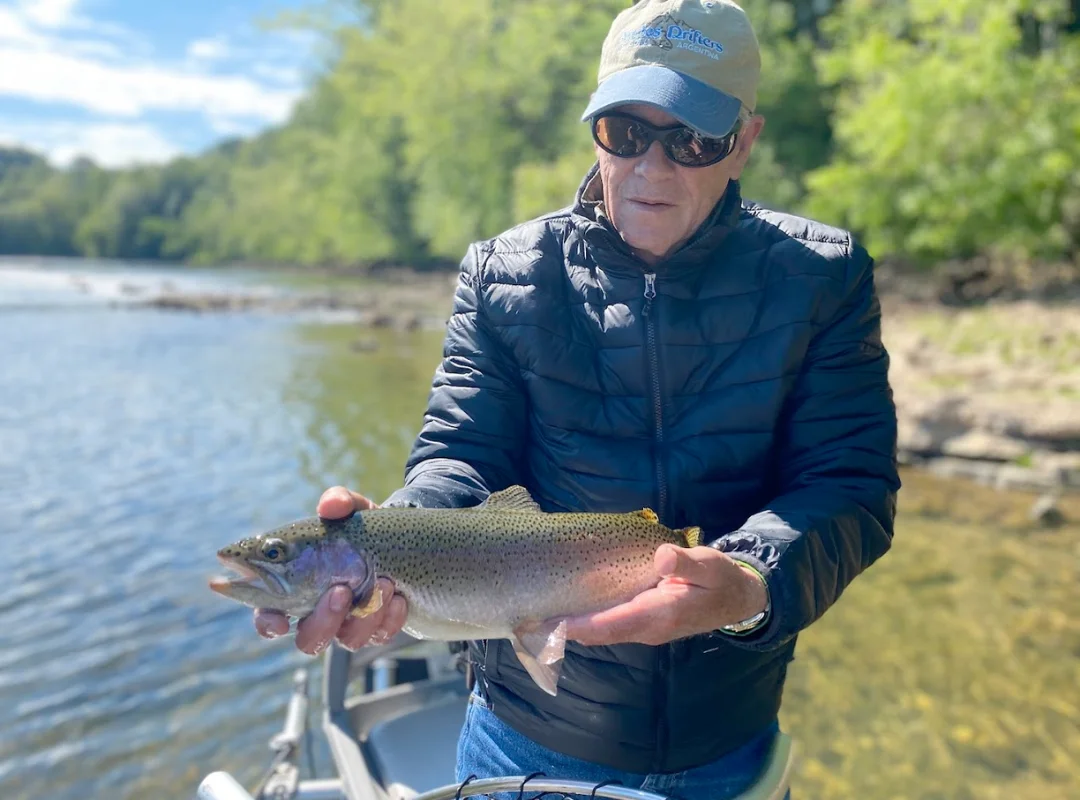
Another element that is shaping the Holston is its connection to the Tennessee River system. This broader watershed supports diverse fish species, including brown trout and rainbow trout in certain sections, particularly in the South Holston River tailwater.
While brookies and smallmouth bass fishing differ in approach, the shared habitat influences seasonal behavior and forage patterns.
Another element that is shaping the Holston is its connection to the Tennessee River system. This broader watershed supports diverse fish species, including brown trout and rainbow trout in certain sections, particularly in the South Holston River tailwater.
While brookies and smallmouth bass fishing differ in approach, the shared habitat influences seasonal behavior and forage patterns.