For many anglers, fly fishing for wild trout offers a more rewarding and challenging experience than targeting stocked populations. These fish live and adapt naturally in their environment, making every catch feel earned. Let's talk more about fly fishing for wild trout.
The appeal of fly fishing for wild trout lies in the connection between you and the natural habitat. Unlike stocked fish, wild fish rely entirely on their instincts to survive, and this makes them:
When you pursue native trout, you must focus on stealth, presentation, and understanding how these fish interact with their surroundings. This approach sets trout fishing for wild populations apart from fishing for stocked trout.
Wild trout behave differently from fish that are raised in hatcheries. They are more aware of predators and react quickly to unnatural movement. This makes it harder to catch trout, especially when you are in clear water conditions.
In many streams and small creek systems, brookies position themselves in areas where food naturally drifts by. They generally hold in:
You must observe how fish move within the water column to improve your chances. Also, remember that species such as brook trout, which are a type of native trout, are generally found in colder, higher-elevation waters. These fish thrive in cooler water and are commonly targeted in less pressured environments.
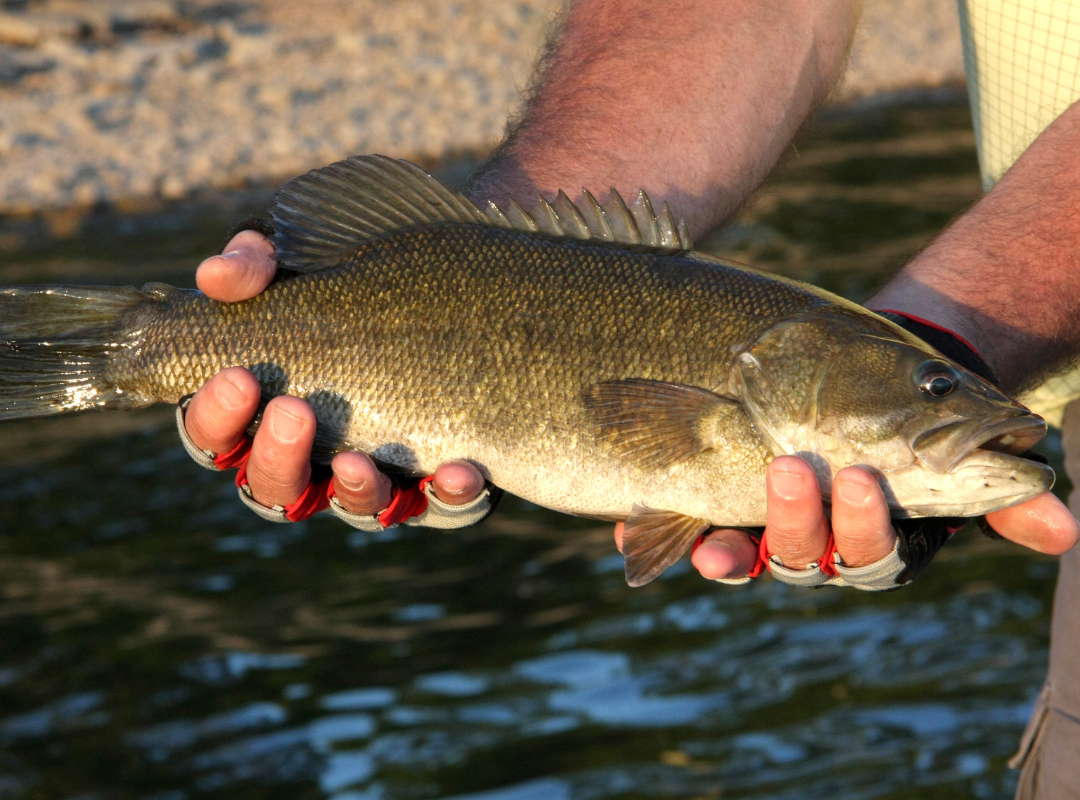
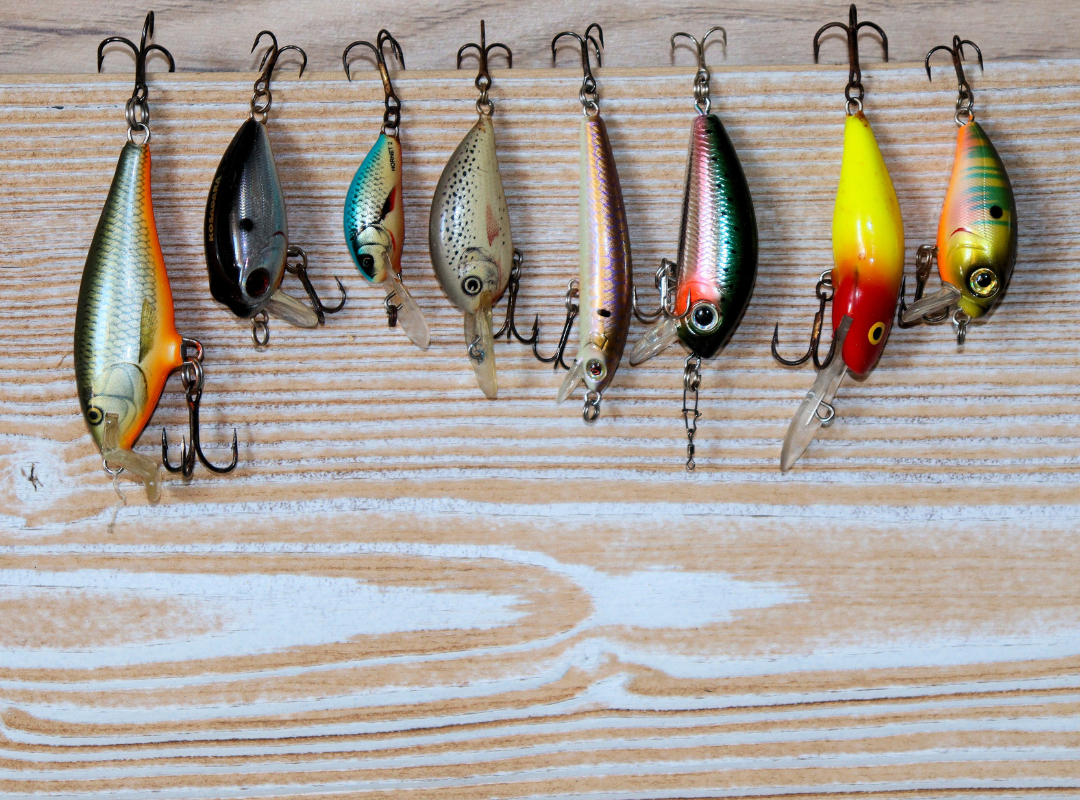
You can prefer small streams and remote river systems when you are targeting wild trout. These areas tend to have less fishing pressure and more natural conditions, allowing fish to behave as they would without human influence.
Even a slight disturbance can send trout into hiding. For fly fishing anglers looking to find more trout, exploring less-traveled streams can lead to better results.
Selecting the right fly is essential when you are targeting wild trout. These fish generally feed on specific insects depending on the time of year and location.
Matching the hatch with patterns like wet flies or dry flies can increase the chances of a successful catch.
Understanding where fish are feeding within the water column helps you choose the right approach. Presentation matters just as much as selection. The fly must drift naturally, without drag, so that it appears convincing. A poorly presented fly can alert wild fish and reduce the chances of a strike.
Timing plays a major role in fly fishing for wild trout. The fishing season brings:
During late summer, lower water levels and higher temperatures can make brookies more cautious.
As conditions shift into early fall, cooler temperatures increase the activity of the fish. This time can be productive for those who are in the hunt for big fish, as trout begin feeding more actively. Knowing how seasons affect trout fishing helps you adjust your approach throughout the year.
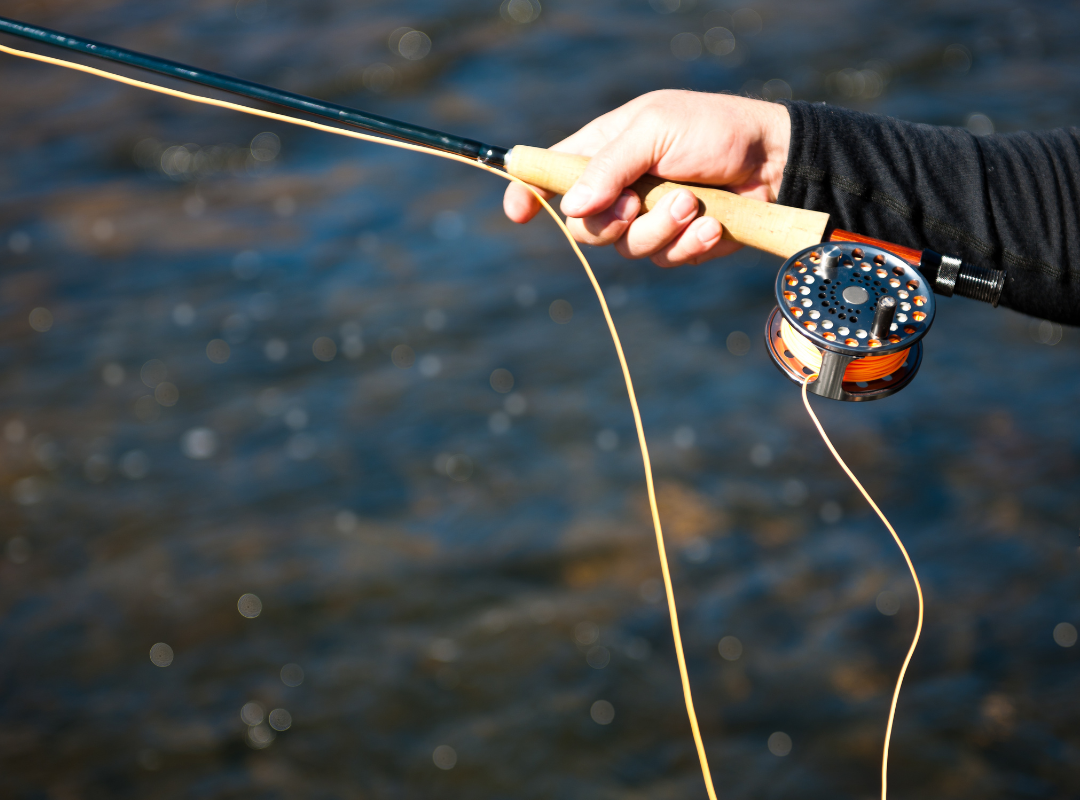
Using the right fly fishing rod and setup is important when you are targeting wild trout. Lighter fly fishing gear is preferred in smaller streams, allowing for delicate presentations. A properly balanced setup helps control the fly and maintain a natural drift.
Many fly fishers go for barbless hooks when they are practicing catch and release. This makes it easier to remove the hook quickly, reducing handling time and stress on the fish. This method is especially important when you are dealing with sensitive native trout populations.
One of the defining aspects of fly fishing for wild trout is the level of difficulty that is involved. These fish are not accustomed to artificial feeding patterns like stocked trout.
To consistently catch trout, you should always:
Every catch that is successful represents a combination of three things: patience, skill, and understanding of the environment.
Protecting wild fish populations is an important part of modern angling. Many areas encourage catch-and-release practices, especially if you are going for native trout. Using barbless hooks and minimizing handling time can maintain healthy populations.
You should always respect habitats such as fragile creek systems and small streams because they also play a role. These environments support diverse species and contribute to the sustainability of trout fishing for future generations.

Fly fishing for wild trout offers a unique experience that combines skill, patience, and an understanding of natural ecosystems. From reading water conditions to picking the right fly, every step requires precision. Unlike fishing for stocked fish, targeting wild trout challenges fly fishers to adapt and improve their skills.
Exploring quiet streams or casting in a flowing river? This style of fly fishing continues to attract those who want some deeper connection with the sport.
Frontier Anglers TN offers guided trips across top Tennessee fisheries, including the Cherokee-Holston River, the Douglas-French Broad River, the Norris-Clinch River, the Little River, the Pigeon River, and the Caney Fork River.
We help you refine your fly fishing techniques, improve your ability to catch trout and smallies, and explore productive waters known for wild trout and other species. Call us at 865-719-0227 and book your trip today for an unforgettable trout fishing experience.