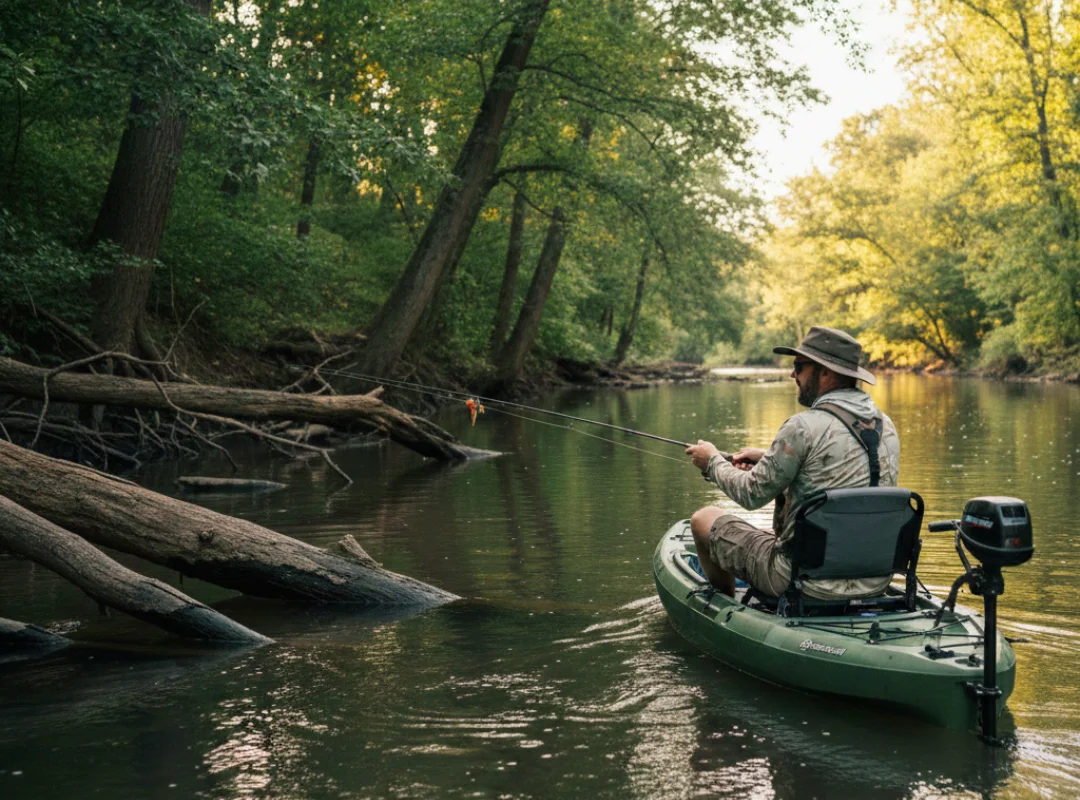
How Does Smallmouth Bass Fishing Change From Spring to Summer?

How Smallmouth Bass Fishing Changes From Spring to Summer

Seasoned fly fishing anglers in Tennessee know that the changing seasons are anything but subtle. These shifts decide where smallies hide, how they hunt, and how much work it takes to hook up. By tuning into how smallmouth bass fishing transforms from spring to summer, experienced anglers can keep their lines tight no matter what the river throws their way. Let's talk more about this topic.

Seasonal Shifts in Smallmouth Bass Attitude & Location

The main difference from spring to summer lies in attitude and location. In the springtime, smallies operate with urgency. They feed often, move shallowly, and react quickly.

As the summer months arrive, smallies' behavior slows, and patterns tighten. Fish relate more strongly to water current, depth, and shade, and each decision carries more weight.

Smallies Behavior Through Seasonal Transitions

Smallies are highly responsive to their environment. Early in the season, rising water temperatures trigger movement toward spawning zones. Later, heat pushes fish toward comfort. These shifts affect everything from the speed of presentation to where anglers should spend their time.

Pre Spawn Movement & Spawning Sites

During pre-spawn, bronzeback move from wintering areas toward shallow flats. 
Spawning sites generally feature:
In many Tennessee rivers, this happens once the water temperature climbs into the upper 50s. Fish group loosely, and encounters feel much more frequent. This phase generally produces aggressive takes and fast action.
Where Smallmouth Bass Hold in Spring vs Summer
Tell Us a Little About Your Bass Fishing Background

Rocky Structure & Spring Feeding Windows

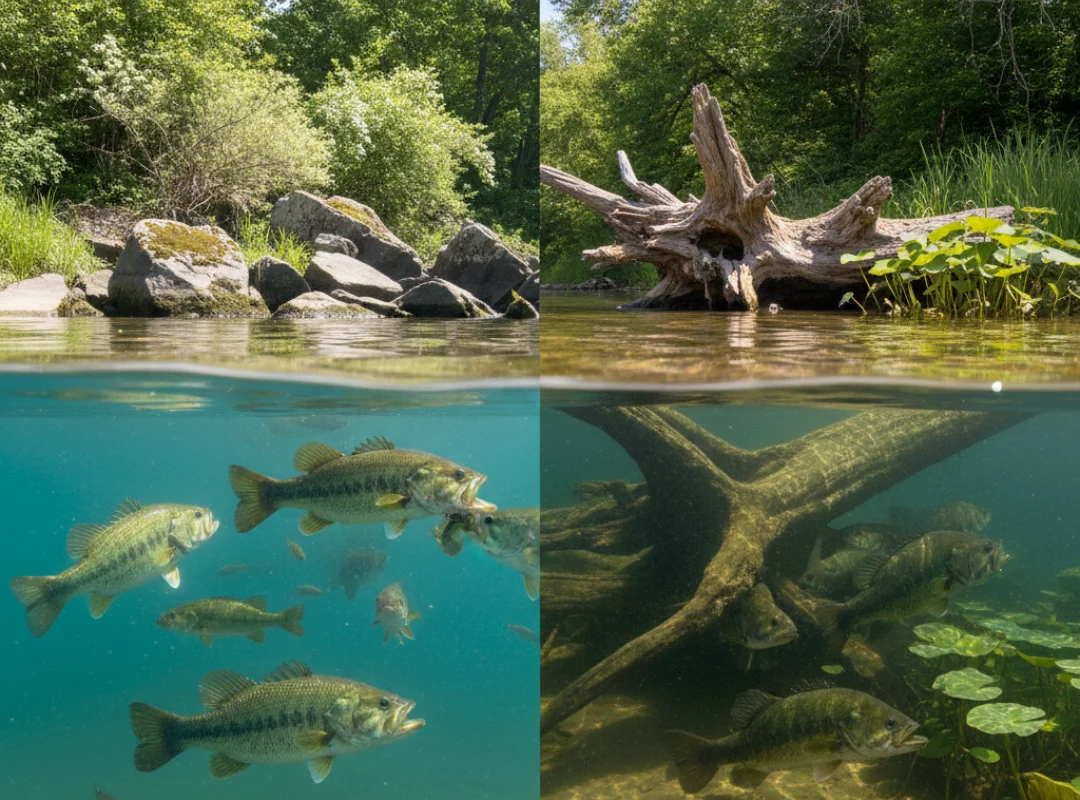
Keep in mind that spring fish favor rocky structures that warm quickly. Sunlit runs, chunk rock banks, and shallow shelves attract bait and concentrate fish. This is when bass fishing feels fairly easy compared to other seasons of the year. Fish sit high in the water column, willing to move several feet to intercept a lure or fly.

Big Fish Potential in Spring

Spring offers you strong odds at big fish. Big bass slide shallow to feed and stage near spawning water. It is interesting that these fish compete for space, and reaction strikes are common.
Many smallbass anglers experience their largest fish of the year during this time because location is predictable and the behavior of the trout and smallies is less guarded.

More Fish Shallow & Easier to Find

Spring spreads more fish across visible water. Inside bends, shallow flats, gentle seams, and all hold bass. Covering water pays off because fish are not locked into precise lanes. Most fly fishing anglers succeed by staying mobile and fishing instinctively.

Summer Season Brings Structure & Depth

When summer takes hold, everything shifts in a hurry.
All these push fish toward defined edges and deep water. Brownies no longer roam freely. Instead, each individual fish claims a position that is tied to food delivery and comfort.

Drop Offs & Depth Control in Summer

In the summer months, drop-offs become super critical. Smallies hold near depth changes where water current and temperature intersect. These spots allow fish to slide vertically rather than travel far.
Fish generally suspend just off bottom, shifting position within the water column, and it all depends on light and flow.

Area Lakes & River Differences

Smallies generally move deeper than typical river fish. Ledges, thermoclines, and submerged points replace the shallow structures of spring. River smallies still use currents but stay along deeper runs and shaded banks. 
Reading the water correctly becomes more important for anglers than simply covering ground.

Cover Water vs Precision Fishing

Spring rewards those who cover water. Summer rewards accuracy and patience. 
Casting to likely water without commitment wastes your energy. Success comes from identifying one or two prime zones and working them carefully with careful intent.

Different Lures & Presentations by Season

Spring gives you flexibility with different lures and flies. Larger profiles and faster retrieves draw attention. The summer months favor controlled depth and slower movement. 
Bronzeback wants the lure or fly delivered precisely, generally at their level, with minimal wasted motion.
Bass Seasonal Movement

Big Fish Behavior in Summer

Catching big fish in the summer season requires some confidence. These bass feed less often but with some purpose. They are in a position where food funnels past with less effort. When they eat, they commit. 
Also, keep in mind that missed opportunities feel rare because strikes are deliberate.

Most Anglers Adjust Too Late

Most anglers struggle during early summer days because they fish the spring water for too long. Shallow flats that produced weeks earlier now hold little. Identifying and recognizing the shift on time and early keeps your frustration low and results that are steady.

Comparing Seasonal Patterns to Other Rivers

Fly fishing anglers who are familiar with the Tennessee rivers notice similar seasonal behavior. The spring season spreads fish shallow and visible. Summer days pull them into defined lanes and positions that are depth-driven. 
Tennessee rivers, including the Pigeon and the Little Rivers, follow a biological rhythm despite varying flows and structures.

Bass Fishing Mindset From Spring to Summer Months

Seasonal success comes from accepting change.
Both seasons are great, and both reward you if you observe instead of forcing patterns. Let the river show you where fish want to live.

Fish Location Becomes More Important Than Numbers

As the summer months progress, catching fewer fish is normal. Those fish are generally of higher quality, and the focus shifts from volume to solving specific water issues. That challenge is what keeps experienced fly fishing anglers super engaged.

Wrap Up

Understanding how smallmouth bass fishing evolves from spring to summer sharpens your decision-making.
Adjusting your mindset and your approach keeps results consistent as conditions change.

Book a Fly Fishing Trip With Frontier Anglers TN

Call Frontier Anglers TN now to plan your guided trips across Tennessee waters. 
Fish the French Broad River, Norris-Clinch River, Cherokee-Holston River, Little River, Pigeon River, and Caney Fork River with our experienced guides who understand the seasonal movement of smallies. 
Book your trip and match the season to the water.
Frequently Asked Questions

When does smallmouth bass fishing shift from spring to summer patterns?

The change usually begins once water temperatures become stable in late spring and fish like smallmouth bass leave spawning areas.

Are smallmouth bass deeper in summer than in spring?

Yes. Summer fish rely more on deep water, drop-offs, and shaded structure for comfort.

Do big bass feed less during the summer season?

They feed less often but choose areas that deliver food efficiently, making timing super important.

Is smallmouth bass fishing harder in summer than in spring?

It feels harder because smallies are more selective, but understanding structure levels the challenge.

Can Frontier Anglers TN guide trout and smallmouth bass trips in Tennessee?

Yes. Frontier Anglers TN offers guided fly fishing trips across Tennessee rivers, helping you adjust to seasonal changes and target quality fish year-round.

CHECK OUT

Our Supporters

©frontier anglers tennessee ALL RIGHTS RESERVED.