What Are the Average Sizes of Smallmouth in East Tennessee Rivers?

nymphing techniques for tennessee freestone streams fly fishing

In East Tennessee rivers such as the Holston River and French Broad River, smallmouth bass commonly average 5 - 12 inches in smaller streams, while larger lowland rivers and main stems regularly hold fish averaging 12 - 14 inches. Biologists note that river-dwelling smallmouth generally reach about 14 inches by age 6. Let's get to know more.

How Big Do Smallmouth Bass Get in East Tennessee?

East Tennessee is home to some of the best smallmouth fishing in the country. The rivers here consistently produce smallies that pull hard, run deep, and earn their reputation as one of the hardest-fighting freshwater fish you can hook. Whether you fish from a boat or work the bank with a fly rod, knowing the expected size range helps set realistic goals for the day. This makes every big fish that much more rewarding when it happens.

Typical Smallmouth Sizes in East Tennessee Rivers

Most smallmouth caught across East Tennessee's river systems fall into a predictable middle range.

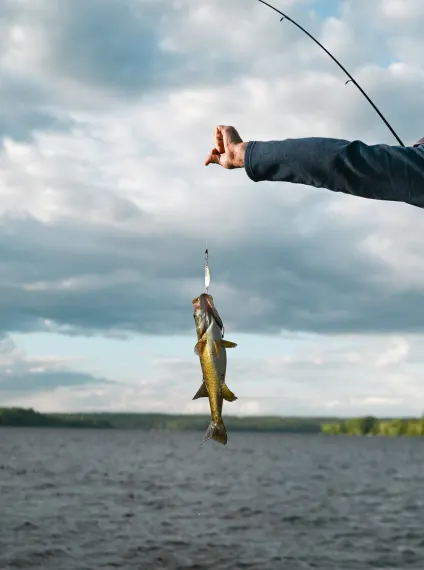
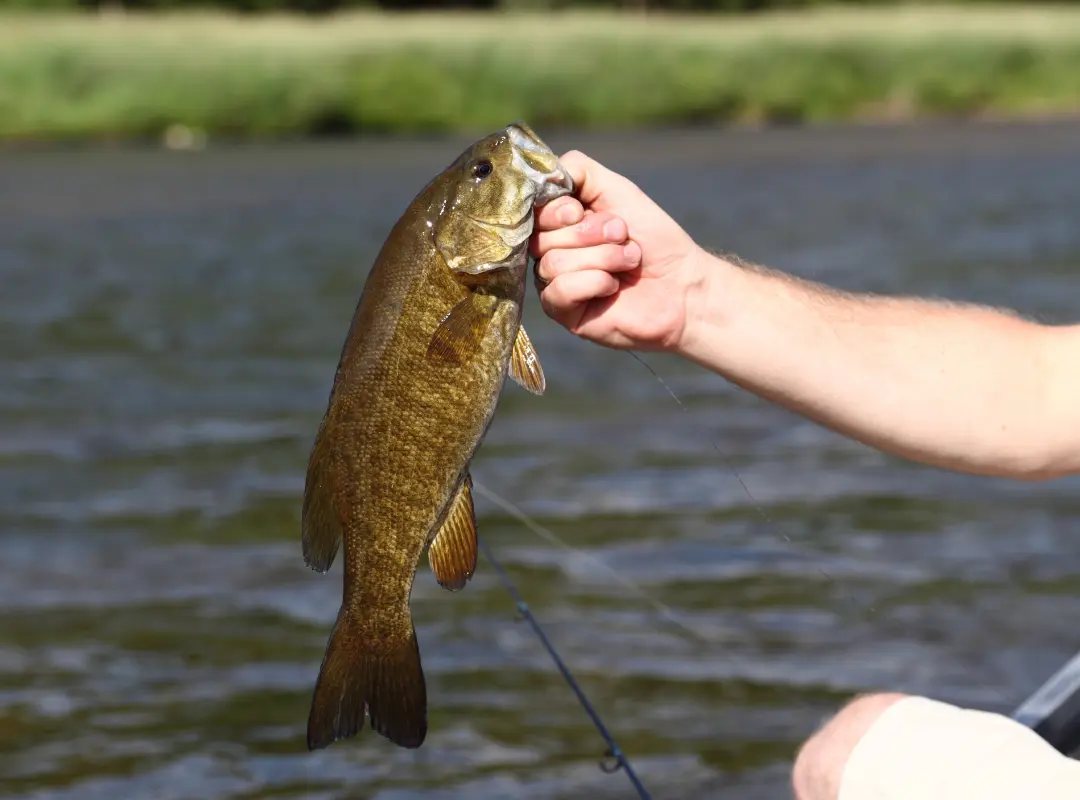
A healthy fish in the 12 to 14 inch class is common on almost any outing. These fish still put up a strong fight that can be surprising if you are new to the species.

Move up to 15 or 16 inches, and you're looking at a fish that's fully mature and confident in its water, usually holding near current breaks and structures where it can ambush prey without much effort.

Fish in the 17 to 19 inch range are considered a genuinely good catch, the kind of bass anglers talk about after the trip is over. These fish require a bit more skill to locate and fool. They tend to fight with more stamina once hooked.

Anything crossing 20 inches is a standout fish for the region. While it isn't an everyday occurrence, East Tennessee rivers produce enough of these larger smallmouth each season that you will land one eventually if you are a dedicated angler.
guided fly fishing trip with experienced fishing guides
caney fork fly fishing using effective nymphing methods

What Makes East Tennessee Rivers So Productive

The Tennessee River system and its many tributaries create ideal conditions for smallies to grow well and reach strong average sizes.

- Rocky bottoms
- Consistent current
- Healthy populations of baitfish and crawfish


All these give smallmouth bass everything they need to put on weight through the warmer summer months. Stable water levels across much of the year also keep fish holding in predictable spots. This benefits both the fish population and the anglers trying to find them.

Because these rivers support a strong food chain, smallies here mostly carry more weight for their length compared to fish from smaller, less productive waters.

A 16-inch smallmouth bass pulled from one of these rivers frequently has the shoulders and fight of a fish that would be considered larger elsewhere, which is part of why the region has built such a strong following among serious anglers.

World Record Context & What It Means for Local Anglers

The world record smallmouth bass weighed just over 11 pounds and measured well beyond what most anglers will ever see on a Tennessee river. This record is useful mainly as a benchmark rather than a realistic target.

A far more meaningful number for East Tennessee anglers is the 5- to 6-pound range, since a smallmouth of that weight, usually falling somewhere between 20 and 22 inches, represents an exceptional catch that most anglers remember for years. 

Understanding this context matters because it keeps expectations grounded. A 14-inch fish isn't a disappointment; it's normal.

Fly Fishing for Smallmouth in East Tennessee

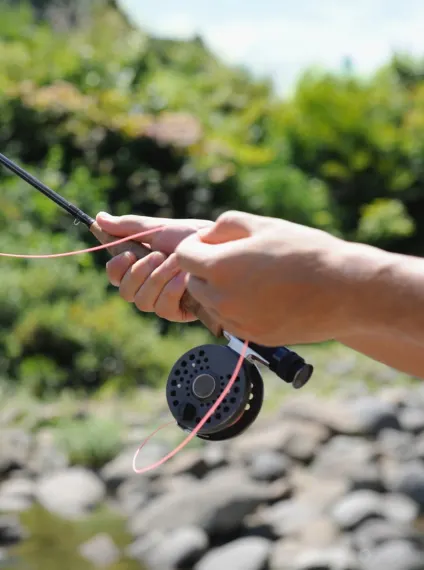
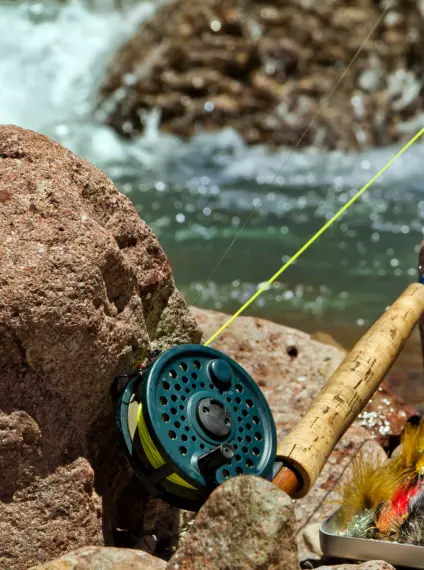
Fly fishing for smallmouth has grown into one of the most popular ways to target the species across East Tennessee, and for good reason.

Smallmouth bass respond aggressively to a well-presented fly, generally striking within seconds of the first cast into a promising seam or current break.

clinch river fly fishing experience with a professional guide
Foam poppers worked along the surface produce some of the most exciting takes, especially during hours of low light when bronzeback move shallow to feed.

If you are switching over from trout fishing, you might find that many of the same flies used for trout work well for smallies too, particularly streamer patterns that imitate baitfish and crawfish.

Because of this crossover, a fly angler's existing fly boxes rarely need a complete overhaul to start chasing smallmouth. You just need a shift in presentation and where on the water those flies get fished.

How to Read the Water for Bigger Fish

Locating larger smallmouth on East Tennessee rivers comes down to reading current and structure.

Bigger fish generally hold in:

- Deeper runs
- Near boulders
- Along ledges


Early morning and evening hours usually bring larger fish into more accessible water to eat, which is why many of the biggest catches of the day happen close to sunrise or right before dark.

A strong bite doesn't always mean a big fish. Smaller smallmouth can hit a lure just as hard relative to their size, but consistently working the structure-heavy water tends to produce a higher percentage of larger catches over the course of a trip.

What to Expect on a Day of Smallmouth Fishing

For most anglers spending a full day on the water, a mixed bag of fish sizes is the norm. A handful of fish in the 12 to 14 inch range, one or two pushing past 16 inches, and the occasional surprise in the high teens is a satisfying day on any East Tennessee river.

Patience, good fly or lure selection, and attention to where the current and structure line up all play a role in turning an average day into a memorable one.

Rivers of East Tennessee have earned their place among the top smallmouth fishing destinations in the country because the average size and fight quality here stay consistently strong from one trip to the next.

If you spend time learning these waters, you'll quickly understand why so many people come back season after season chasing the same current seams and ledges that produced their best fish.

Frontier Anglers TN: Smallmouth Bass Fishing Trips

Call Frontier Anglers TN to book a guided smallmouth trip on East Tennessee's top rivers. Trips are available on the Cherokee-Holston River, Douglas-French Broad River, Norris-Clinch River, Little River, Pigeon River, and Caney Fork River. 

Book your trip today and find out firsthand what these rivers have to offer. Call us at 865-719-0227.
Frequently Asked Questions

Q1. What is the best smallmouth river in Tennessee?

A: French Broad, the Holston, and Clinch rivers are consistently ranked among the top smallmouth waters in East Tennessee. All of these are known for strong average fish sizes and healthy populations.

Q2. How old is a 20-inch smallmouth bass?

A: A smallmouth bass reaching 20 inches is generally 8 to 12 years old, reflecting years of steady growth.

Q3. What is the biggest smallmouth bass in Tennessee?

A: The state record smallmouth bass caught in Tennessee weighed over 11 pounds. This stands as one of the largest ever recorded in the region.

Q4. Is a 17-inch smallmouth bass big?

A: Yes, a 17-inch smallmouth bass is considered a strong and above-average catch on most East Tennessee rivers.

Q5. How rare is a 6-pound smallmouth bass?

A: A 6-pound smallmouth bass is a rare and exceptional catch. It represents one of the largest fish most fly-fishing anglers will ever land in a lifetime of fishing.

CHECK OUT

Our Supporters

©frontier anglers tennessee ALL RIGHTS RESERVED.