To read water for trout and smallmouth bass, you have to focus on water temperature, current speed, depth, available food, and cover. Trout generally favor oxygen-rich water with steady currents and nearby resting areas, while smallies generally use current breaks, rocky runs, deeper pools, and warmer sections of rivers. Reading these features helps you identify likely holding and feeding locations for each species. Let's explore more.
Why Trout & Smallmouth Bass Use Different Water
Understanding the behavior of the fish is central to successful smallmouth bass fishing and trout fishing. Both species use depth, current, and structure to find food, but their preferred conditions differ.
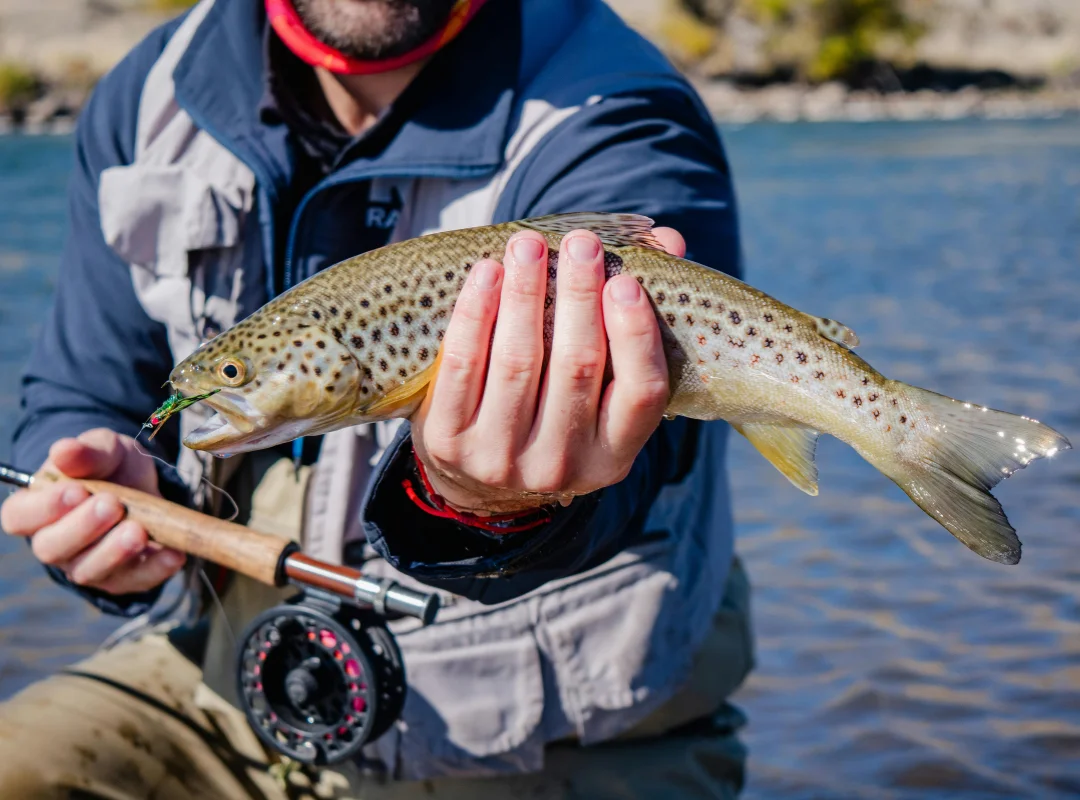
Most trout thrive in cooler water, especially when oxygen levels are high. They position themselves where the current delivers insects and other food without forcing them to expend excessive energy.
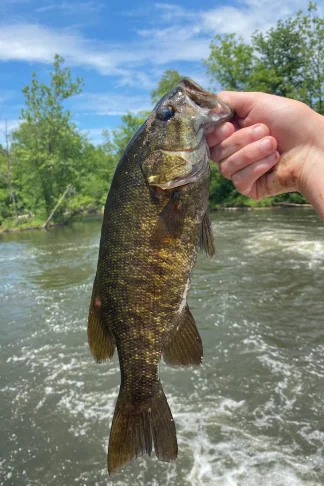
Smallmouth bass are more tolerant of warmer conditions and commonly use submerged logs, rocky structure, and deeper pockets to ambush prey.
These differences influence where you should look first. When you are reading trout water, pay attention to:
- Current seams
- Riffles
- Pools
- Feeding lanes
When you are searching for smallmouth, look more closely at rock formations, boulders, ledges, and areas where current pushes baitfish past cover.
Neither species occupies just one type of water. Their positions change with water level, season, temperature, and availability of food.