What's The Catch And Release Etiquette For Tennessee Smallmouth

Catch-and-Release Etiquette for Tennessee Smallmouth

Practicing responsible angling helps protect fish populations and keeps rivers productive for future trips. Knowing what the catch and release etiquette for Tennessee smallmouth is is super important for anyone who is targeting these popular game fish. Let's learn more.

Catch & Release Etiquette for Tennessee Smallmouth

Fly fishers who enjoy smallmouth bass fishing play a direct role in maintaining healthy fisheries.
When you combine these habits, you give smallmouth bass the best shot at survival after release. As more anglers hit the water, ethical fishing matters more than ever.

Handling Smallmouth Bass With Care

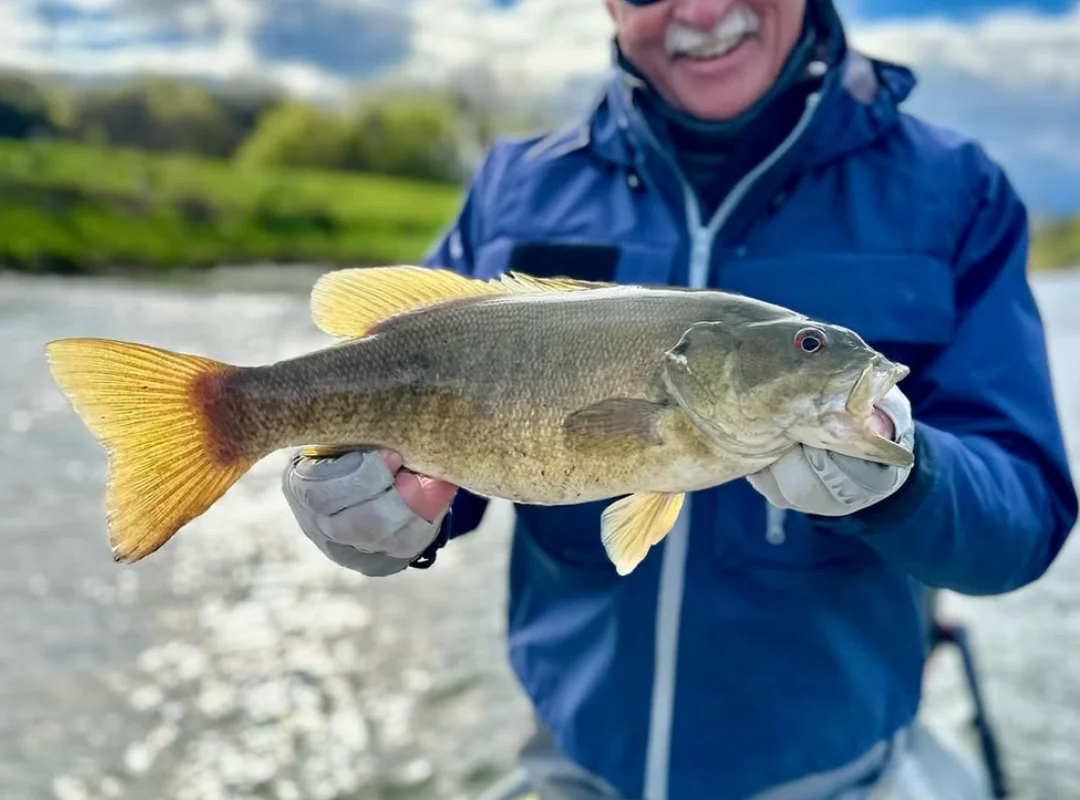
When landing smallmouth, minimizing stress is the real deal. Fish should be kept in the water as much as possible, especially larger fish and trophy fish.
Lifting a trophy bass for a quick photo is common, but it should be done quickly before returning the fish to its environment.
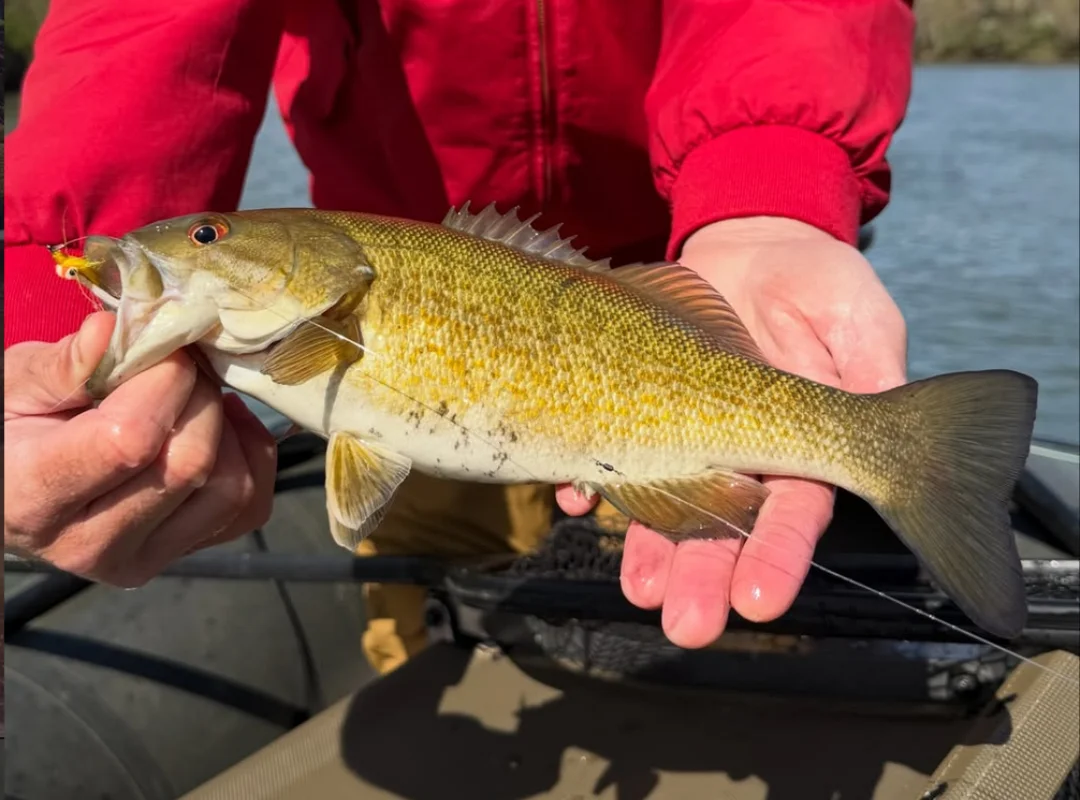
Also, using the right fishing gear can make a difference. Barbless hooks or hooks with flattened barbs give easier release. This is particularly helpful when you are targeting fish in any Tennessee river, where strong currents can make handling more challenging.

Respecting Spawning Grounds & Seasonal Behavior

Smallmouth bass move into shallow water during spawning periods to build nests. These spawning grounds are sensitive areas where fish are more vulnerable. Repeated disturbance over a few weeks can impact reproduction success.
In East Tennessee, many fly fishing anglers choose to practice strictly catch and release during spawning season.
You should avoid repeated casts to visible nests and reduce the time spent handling fish because it helps maintain stable populations.
Monitoring water temps also helps you understand when fish like smallies and brownies are likely spawning and more sensitive to disturbance.

The Right Fly Fishing Techniques & Gear

Different styles of fishing require thoughtful adjustments when you are practicing catch and release. Those using fly fishing setups generally carry organized fly boxes with patterns that can be used repeatedly, sometimes even relying on the same flies throughout a trip.
Artificial lures are generally preferred over live bait. The reason behind their preference is that they reduce the chances of deep hooking. This is especially important when you are targeting big smallies in deep pools, where fish may strike aggressively. Proper hook placement makes releasing fish easier and reduces harm.
How to Handle Smallmouth Bass Safely in Tennessee
Smallmouth Bass Fishing Frontier Anglers TN

Minimizing Stress During the Catch

In responsible smallmouth fishing, Timing plays a game-changing role. Fishing during early mornings can be beneficial since cooler conditions reduce stress on fish.
When it comes to warmer periods, higher water temps can make fish more vulnerable, so shorter fight times and quicker releases are recommended.
Keeping fish submerged while removing hooks and avoiding excessive handling helps maintain their strength. You should do this not only for smallmouth bass but also for other fish species that may be caught in the same waters.

Practicing Ethical Angling In Popular Rivers

Rivers like the Pigeon River attract many fly fishing anglers, making etiquette even more important. Increased fishing pressure can impact:
Share the river by giving fellow anglers space and rotating your fishing spots. This simple courtesy helps protect overfished stretches.
Many experienced anglers follow a “fish simply” mindset, focusing on two things: technique and respect for the environment, rather than maximizing catch numbers.
This approach supports populations of smallies and keeps rivers productive for outings in the future.

Fly Fishing Legal Considerations & Conservation

Remember that having proper fly fishing licenses is part of responsible angling. Regulations generally include size limits and seasonal guidelines that protect trophy bass and breeding populations.
Conservation efforts across Tennessee aim to maintain balanced ecosystems where trout and smallmouth bass, other fish, and aquatic habitats can live and thrive.
Following these rules supports long-term opportunities for trout and smallmouth fishing across the state.

Conclusion

So what's the catch-and-release etiquette for Tennessee smallmouth? Well, they go beyond basic fishing skills and are all about respecting:
Doing all these while adapting techniques to reduce stress on the catch. From careful handling of big fish to avoiding sensitive spawning grounds, every step contributes to healthier fisheries.
As more fly fishing lovers explore rivers like the Pigeon River, responsible practices help sustain strong populations of trout and smallmouth bass and maintain quality experiences on the water.

Plan Your Trip With Frontier Anglers TN

Frontier Anglers TN offers guided trips across top Tennessee fisheries, including the Cherokee-Holston River, the Douglas-French Broad River, the Norris-Clinch River, the Little River, the Pigeon River, and the Caney Fork River.
We help you experience trout and smallmouth bass fishing while learning responsible catch-and-release practices used by experienced anglers.
Call us at 865-719-0227 and book your trip today to enjoy some of the best smallmouth fishing opportunities in Tennessee.
Best Catch & Release Practices for TN Rivers

Frequently Asked Questions

Q1. What is catch-and-release fishing for smallmouth bass?

A: Catch and release in smallmouth bass fishing is all about returning fish to the water after capture to support sustainable populations of smallmouth bass.

Q2. Why is catch and release important for trophy bass?

A: Releasing trophy bass allows larger breeding fish to remain in the ecosystem, supporting future generations of big fish.

Q3. Can you use live bait when practicing catch and release?

A: While live bait can be used, many fly fishers prefer artificial lures to reduce deep hooking and improve survival rates after release.

Q4. When is the best time to fish for smallmouth bass?

A: Early mornings and cooler parts of the day are perfect, especially when water temps are lower and fish are more active.

Q5. Does Frontier Anglers TN offer guided trips in Tennessee?

A: Yes, we provide guided trips across Tennessee rivers, helping you enjoy fishing for smallies and brownies while learning proper catch-and-release techniques.

Q6. What is the best way to handle a smallmouth bass?

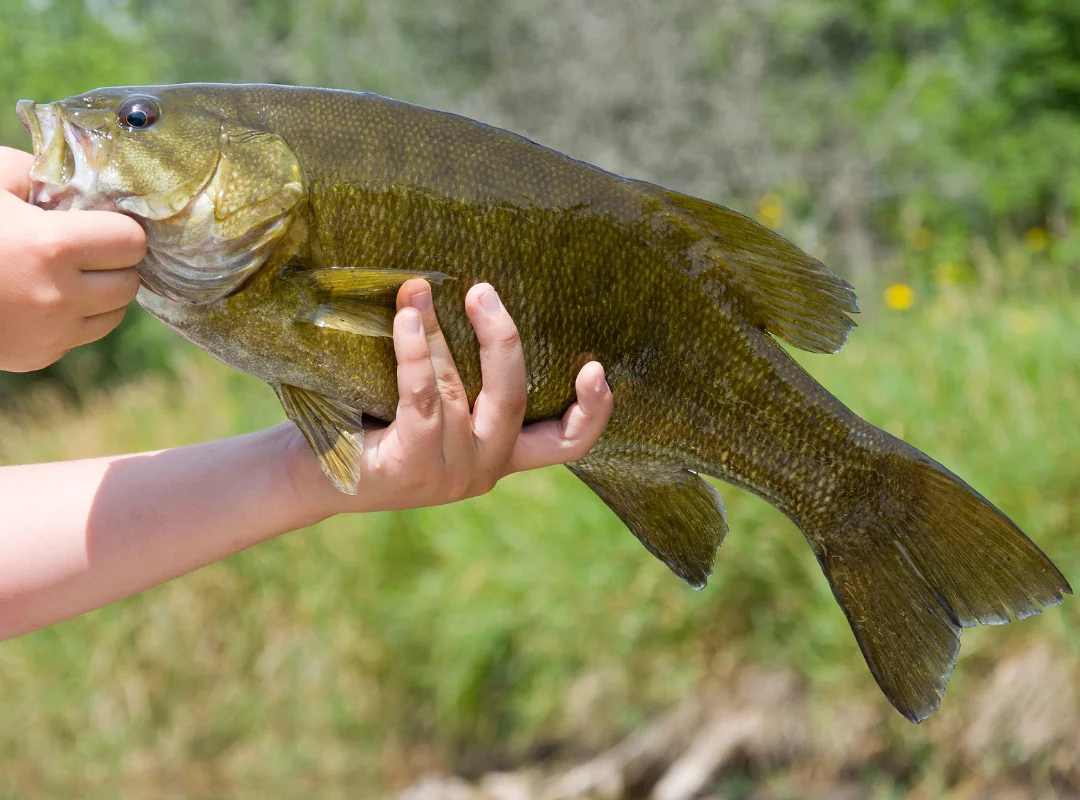
A: The "wet hands" rule is totally non-negotiable. Always wet your hands before you touch the fish to protect its protective slime coating, which prevents infections. Support the fish horizontally with one hand under the belly and the other gently gripping the lower lip. Keep in mind that you never hold a smallmouth vertically by the jaw alone, as this can cause permanent skeletal damage.

CHECK OUT

Our Supporters

©frontier anglers tennessee ALL RIGHTS RESERVED.