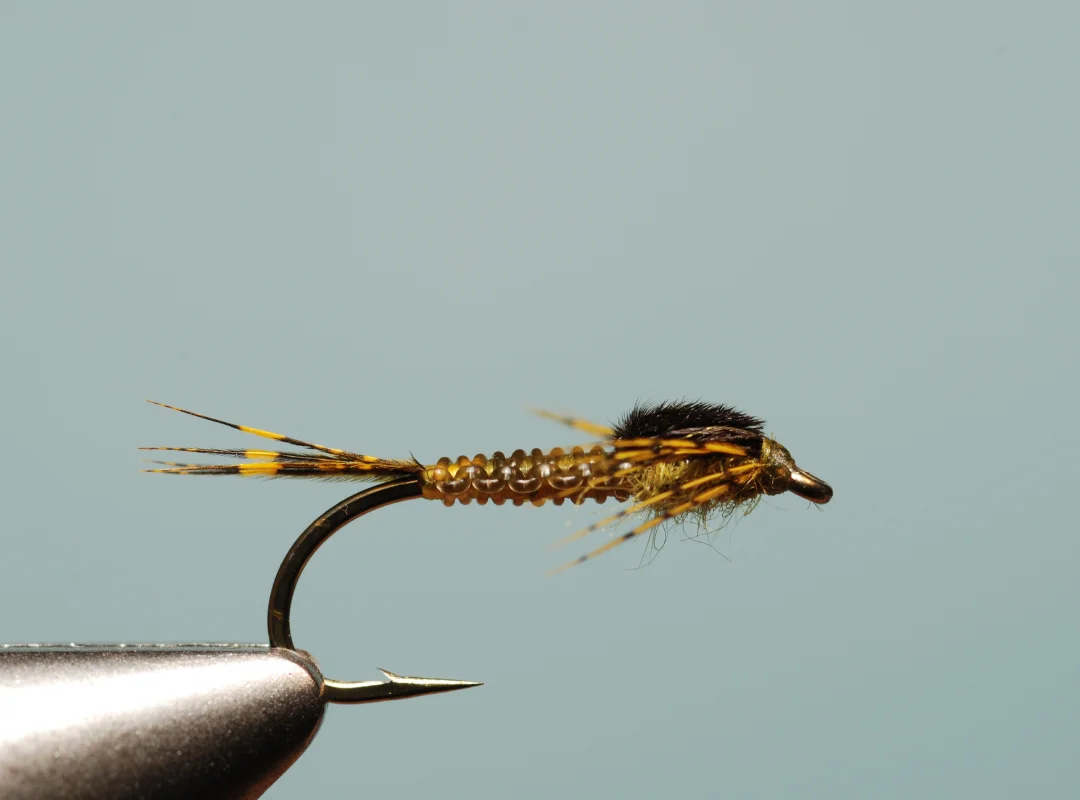
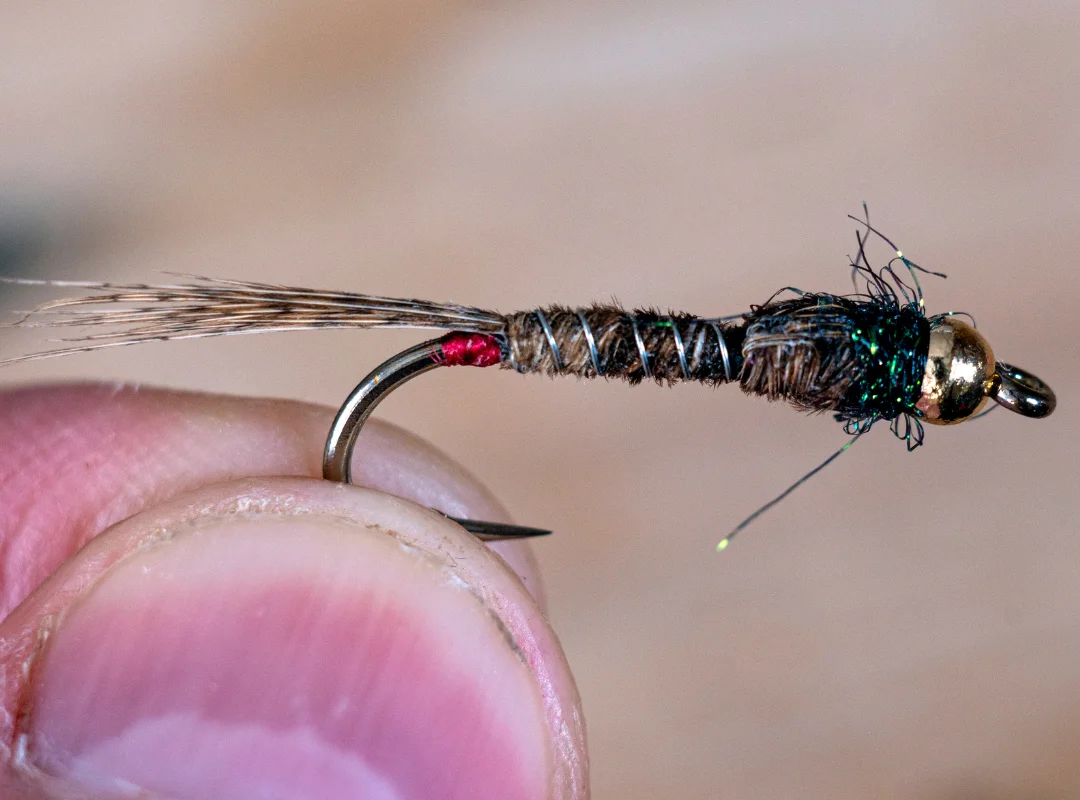
The world of fly fishing contains thousands of unique patterns, but few have stood the test of time like a realistic sub-surface imitation. Beginners and experts alike frequently return to this configuration because it mimics a vast array of aquatic insect life. If you want to trick smallies or brookies in moving water, mastering this specific build is an absolute necessity. To truly find success on the river, you must focus on tying fishing and perfecting the hare's ear nymph.
The Anatomy of a Classic Hare's Ear
A traditional hare's ear relies on a blend of materials to achieve its lifelike appearance. The base starts with a standard nymph hook and a tungsten or brass bead to help the fly drop quickly into the strike zone.
To create the body, use genuine hare's ear dubbing, a mix of stiff guard hairs and soft underfur. The spikey nature of these hairs traps air bubbles, creating the illusion of life beneath the water's surface.
A very fine gold wire is then wrapped forward through the body to create a rib, adding both flash to the fly.
Step-by-Step Instructions to Tie the Fly
To begin the assembly:
- Secure your line or thread near the eye of the hook, wrap backward toward the bend.
- Select a small clump of wood duck or pheasant tail strands to form the tail.
- Secure them with a firm pinch wrap
- Next, tie in the gold wire at the rear of the shank
- Spin the spiky dubbing material onto your thread
- Keep the application sparse to maintain a natural taper
- Wrap the fuzzy loop forward to create a buggy body
- Now, counter-wrap the metal ribbing to protect the material from sharp teeth