How Do You Fly Fish a Streamer

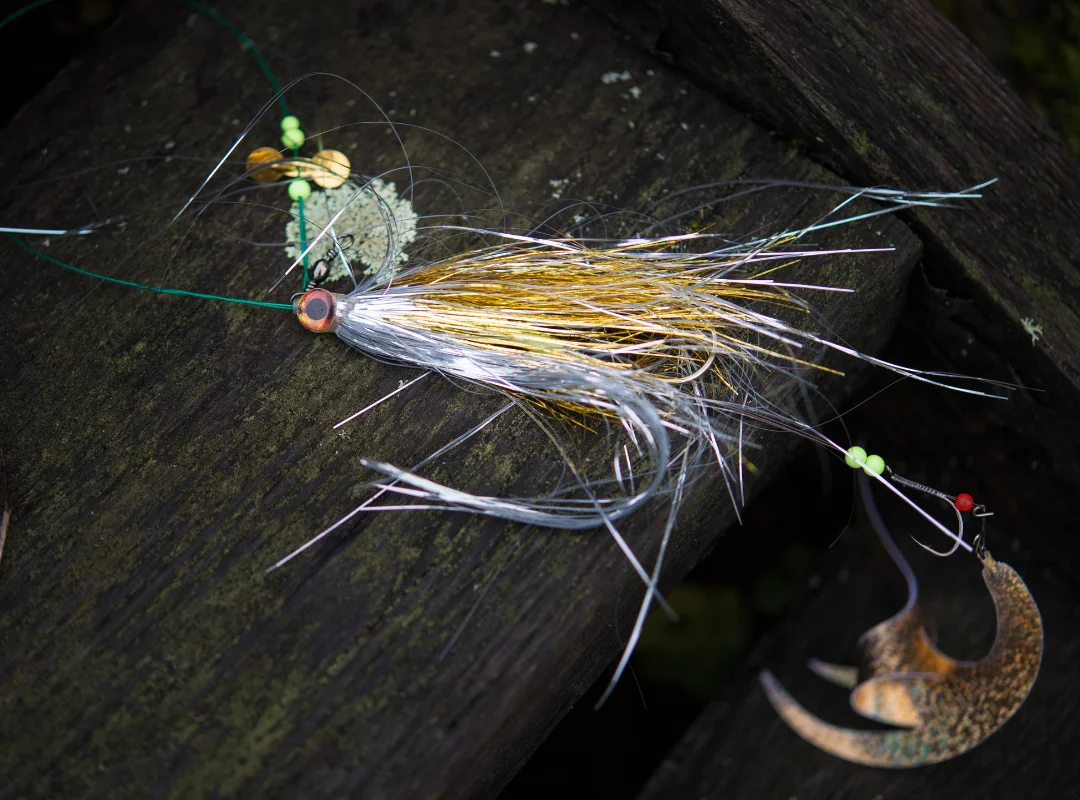
Fly fishing a streamer means casting a large fly that imitates a baitfish, sculpin, leech, or crayfish, then stripping it back in short, sharp pulls so it moves like wounded or fleeing prey. Big trout and smallmouth bass hit streamers out of hunger or aggression, so the retrieve matters more than a drag-free drift. Most anglers fish streamers on a 6- or 7-weight rod with a sink-tip line and a short 0X–2X leader, and set the hook with a hard strip instead of lifting the rod. 

Why Streamer Fishing Catches Big Fish

Brown trout over twenty inches become largely piscivorous, so a streamer matches what the biggest fish in a river eat. That's why streamers target aggressive fish such as trophy trout and bass.

Streamers also trigger reflex strikes, even when fish aren't actively feeding. They are effective in high, stained, or low-visibility water, where dry flies and small nymphs disappear. And since you retrieve the fly rather than dead-drift it, streamers let you cover large areas of water quickly.

Kelly Galloup, the streamer expert who wrote Modern Streamers for Trophy Trout with Bob Linsenman, built much of today's big-streamer approach. His YouTube video series shows how modern streamers are designed to move water and draw strikes.

Streamers vs. Dry Flies

Dry flies imitate surface insects and rely on a drag-free drift. Streamers imitate swimming prey, so effective streamer fishing requires active retrieves and depth control.

You can switch from dry flies to streamers on cold, cloudy days, rainy weather, when the water is stained, and when there is no hatch and fish stay deep in the river. The difference between dry fly and wet fly fishing follows the same idea: present the fly where and how the natural food lives.
Fly Fishing a Streamer
Are Streamers Good for Trout

Choosing Streamers

A streamer should match the size, profile, color, weight, and movement of the prey in its environment. Proper streamer selection depends on water clarity, depth, forage, light, and fish aggression. Check what lives in the stream first, since streamer size should match the fish. For small streams, sizes 4 to 10 work best.

Patterns worth carrying:

  • Muddler Minnow: a favorite streamer for small streams, easy to cast, and an effective fly for catching trout
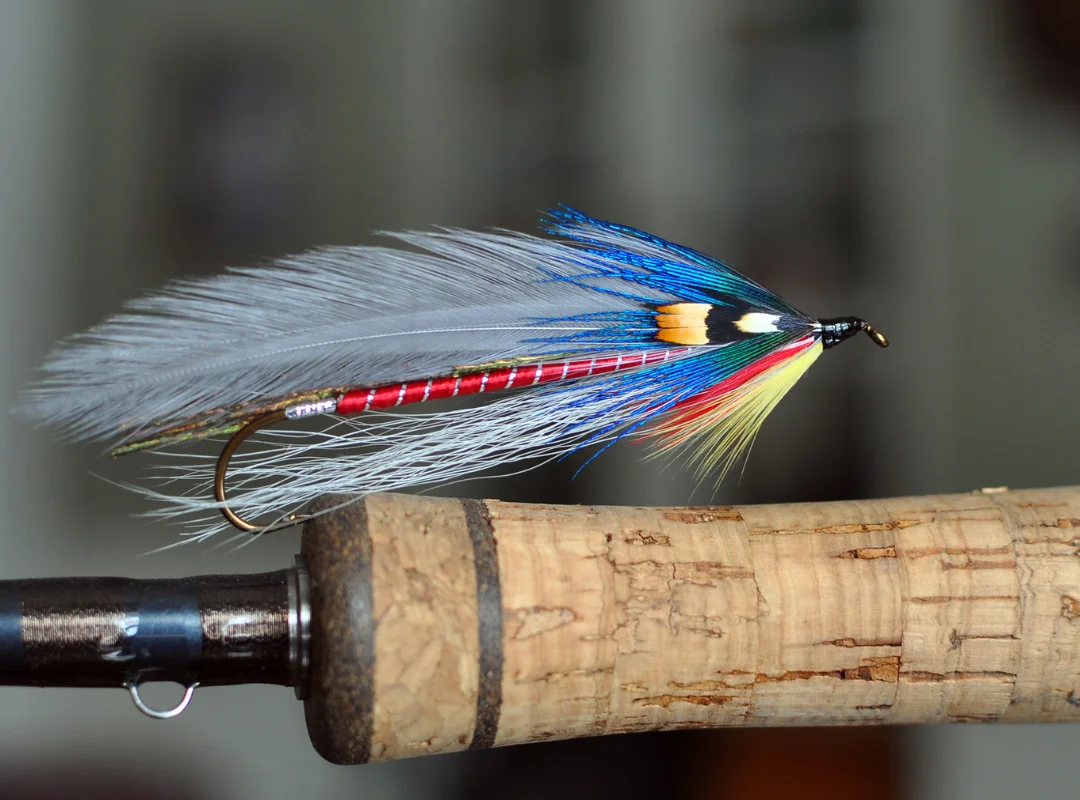
  • Mickey Finn & Black-Nosed Dace: classic baitfish patterns
  • Cone Head Madonna: a great pattern for bigger fish
  • Zoo Cougar: Galloup's best-known pattern, used when targeting larger fish

Weighted streamers sink quickly and reach deeper water, and in fast water a heavy streamer can punch through the surface current to the fish.

Unweighted streamers like the Zoo Cougar move more freely and mimic dying prey. Match color to light: white and olive suit clear water, while black shows best in high, stained water or on a dark day. The full range of fly-fishing flies shows where streamers fit alongside nymphs and dries.

Lines, Leaders & Rigging

You can use streamers with both floating and sinking lines. A floating line works for shallow banks and unweighted flies near the surface. A full sinking line keeps the fly down in deeper runs and in each hole below a riffle. The same sinking line setup for smallmouth bass works for trout fly fishing.

Use a short leader, about 3 to 4 feet long. A long fly-fishing leader is unnecessary because the line sets the depth, and the leader is only the link to the fly. Tie the streamer on with a loop knot so it swings freely and shows more action.

Retrieves & Presentation

Streamer presentations should mimic the depth, speed, and direction of natural prey.

Common techniques include:

  • Strip-pause retrieve: two or three strips, then a pause. Vicious strikes often come during the pause, while the fly drops a bit.
  • The swing: cast across, let the current sweep the fly through a run, and add short twitches with the rod tip.
  • Rapid short strips: fast, short strips create more action, bring a marabou fly to life, and work well on aggressive fish.

Targeting structures such as undercut banks and submerged logs increases catch rates. When fishing streamers from a float, cast tight to the bank and slightly upstream, so the fly sinks before you start the retrieve. If a run produces no strikes, change depth before you change the fly.

Big trout hold in shade and cover, and these streamer tactics for large brown trout focus on those exact spots.

How to Hook Big Trout

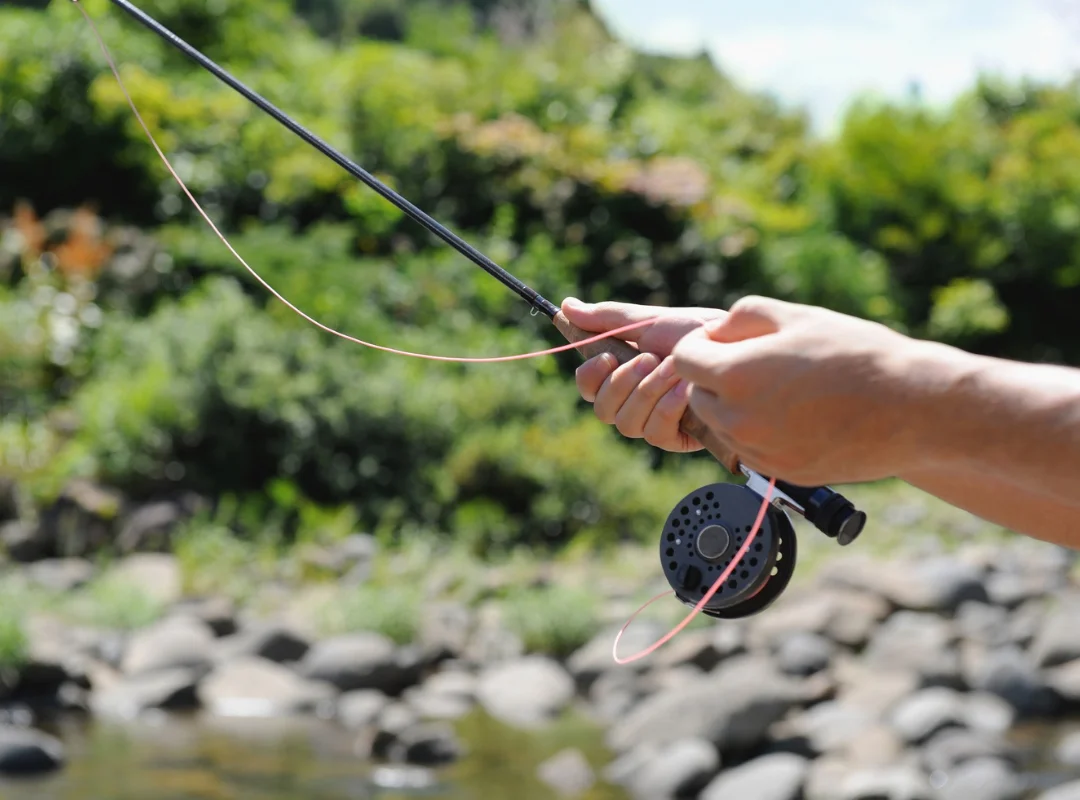
A strip-set is more effective than lifting the rod when a fish strikes. When you feel the hit, keep the rod tip low and pointed at the fly, then pull the line hard with your stripping hand. You'll feel most takes in your hands through the line before you see them.

What Is the Difference Between Nymph and Streamer Fly Fishing

Lifting the rod pulls the fly out of the strike zone if the hook misses, while keeping the rod low on a strip-set keeps the streamer in front of the fish for a second chance. The strip-set takes a few fish to master, since a trout rod habit of lifting runs deep. Throwing heavy streamers all day also takes a 6- or 7-weight rod, and confidence in a few patterns matters more than lots of fly changes.

The fun of streamer fishing is that strikes are visible, hard, and often from the biggest game fish in the river. The same approach drives trophy Tennessee smallmouth streamer fishing on the Holston and French Broad.

Frontier Anglers TN: Guided Streamer Trips

Frontier Anglers TN runs guided float trips in drift boats on the Norris-Clinch, Cherokee-Holston, Douglas-French Broad, and Caney Fork rivers, where streamers bring big trout and smallmouth to the boat. Our guides are USCG-licensed captains who share the retrieves and rigs that work on each river.

Book your streamer trip today and fish the banks with an expert on the oars. Call us at 865-719-0227, email pheasanttail12@live.com, or reach us in Maryville, TN.

Frequently Asked Questions

Q1: Are streamers good for trout?

A: Yes. Streamers imitate high-calorie prey that large trout feed on. They also trigger reflex strikes from fish that aren't actively feeding, especially in high, stained water where small flies go unseen.

Q2: What is the difference between nymph and streamer fly fishing?

A: Nymphs dead-drift near the bottom to imitate aquatic insects, and you watch an indicator for subtle takes. Streamers imitate baitfish and crayfish, and you actively strip or swing them to trigger hard, aggressive strikes.

Q3: What attracts trout the most?

A: Food that looks and moves like natural prey attracts trout the most. Match the size and color of local insects or baitfish, then present the fly at the right depth and speed, without drag or splash.

Q4: How long should a streamer leader be?

A: Use a short leader, three to four feet long. With a sink tip or sinking line, the short leader keeps the streamer at the line's depth rather than letting the current lift it toward the surface.

Q5: What color streamer do trout like the most?

A: Olive, black, white, and brown streamers catch the most trout. Choose black in stained water or low light, and white or olive in clear water to match the local baitfish and conditions.

CHECK OUT

Our Supporters

©frontier anglers tennessee ALL RIGHTS RESERVED.