Nighttime fly fishing involves choosing the right water, fly, tackle, casting technique, and safety gear. It is also about paying close attention to how trout behave after dark. Night fishing for trout is generally focused on larger, more aggressive fish, especially wild brown trout and big brown trout. Since visibility is limited, you have to rely more heavily on careful movement, familiar water, accurate casts, and an understanding of where trout feed. Learning how trout use the water column at night can make your night fishing experience more enjoyable and productive. Let's know more.
Brookie's behavior changes after sunset. During daylight, smaller trout may feed actively in shallow areas, while larger fish remain cautious. At night, some trophy trout become more willing to leave deeper or protected areas to search for food. This creates an opportunity for anglers targeting trout to encounter big trout rarely seen during daylight hours.
If you have just started night fishing, spend time learning the river during the day first. Knowing the location of current seams, rocks, drop-offs, submerged structure, and deeper channels becomes particularly important after dark. Familiarity with the river makes it easier for you to concentrate on your presentation rather than identifying the surrounding water.
The selection of the fly is an important part of nighttime fishing. Trout have less visual information available after dark, so vibration, movement, silhouette, and water disturbance can become significant factors. Streamers are commonly used because they imitate larger prey and can attract larger fish in search of a substantial meal.
A wet fly can also be useful in certain conditions. The reason is that it travels beneath the surface and can imitate insects or other aquatic food moving through the current.
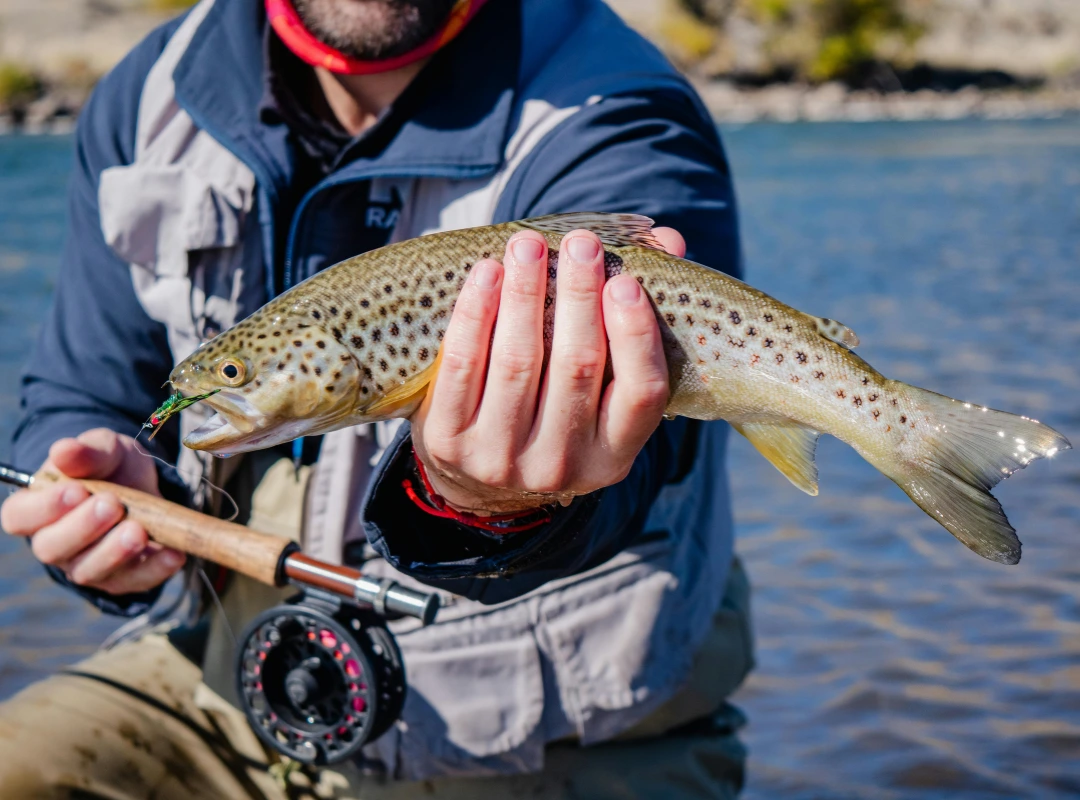
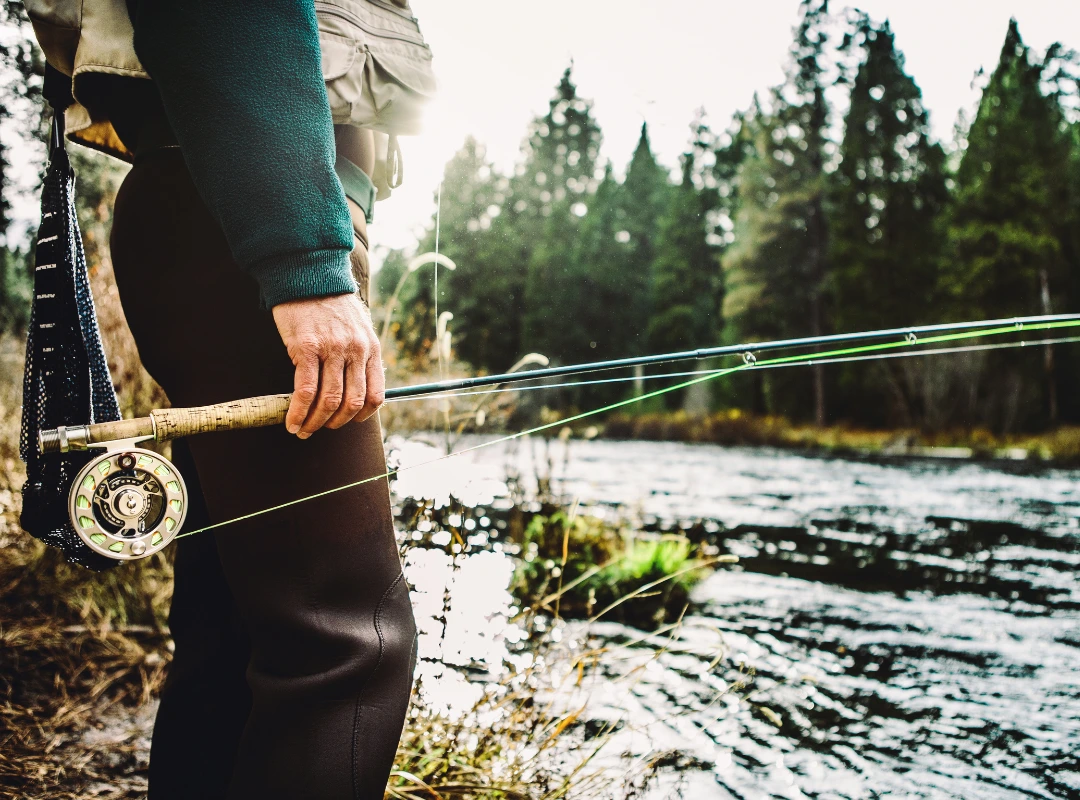
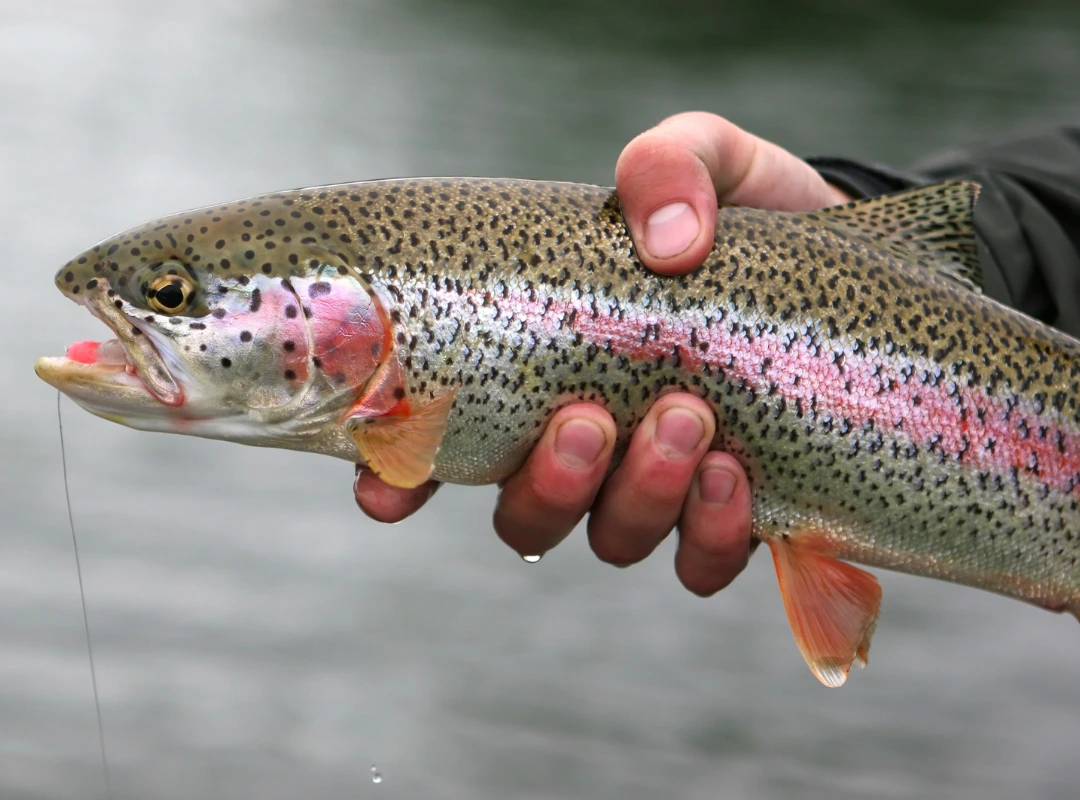
Different fly styles produce different movements in the water, so you can experiment with patterns that create a noticeable silhouette or movement.
Dark-colored flies can stand out against the night sky when viewed from below. You can also use larger streamers because they present a bigger target for big fish. The goal is to present something that a brown trout can detect without relying entirely on bright colors.
When you are casting after dark, you have to be more aware because it is difficult to see the fly line and your surroundings. A controlled casting rhythm is safer and more accurate than trying to make aggressive casts. Your casting angle should keep the fly moving through productive water while reducing the chance of snagging nearby rocks or branches.
Avoid unnecessary false casts. A fly moving through the air at night can be difficult to track, and repeated false casts can increase the risk of contacting yourself or your fishing buddy. So always keep the casting motion controlled because it makes it easier to detect changes in the line.
You can also use glow lines or other highly visible line systems to make tracking the line easier. However, lighting should be used thoughtfully, as excessive light can disturb your night vision and make it harder to see in low-light conditions.
Learning how to spook fish less is one of the most important skills in nighttime fishing. Although darkness provides more concealment, brownies can still detect unusual movement, vibrations, and sudden disturbances.
Good visibility is important for safe fishing after dark. A headlamp provides hands-free lighting for tasks such as changing flies and tying knots, but it should not be pointed continuously at the water. It is also useful to carry a secondary light in case your primary light stops working.
Safety glasses can protect your eyes from branches, hooks, and other hazards during nighttime casting. Keeping your equipment organized also reduces the time you spend searching through bags in the dark.
Your night vision gradually improves after spending time away from bright lights. Turning on a bright headlamp every few minutes can make it harder to see faint shapes and movement around the river.
Catching big trout at night is exciting, but landing them requires careful handling. A larger trout may make a powerful run immediately after taking the fly. Since visibility is limited, you have to pay close attention to the pressure in your line and the direction of the fish.
Keep your movements controlled and avoid trying to rush the fish toward shore. A strong connection between your leader, rod, line, and fly is important when you are targeting big brown trout. Knowing the river's structure also matters because a large fish may head toward submerged rocks, logs, or heavy current.

Wild brown trout are particularly associated with nighttime fishing because larger brown trout can become active after dark. Anglers who are in search of trophy trout often target rivers known for producing mature brown trout during the night game.
The possibility of encountering a fish much larger than those normally caught in daylight is one reason many fly-fishing anglers become interested in night fishing.
All these create a very different experience from daytime fishing.
Still, not every night produces more fish or the best fish. River conditions, food availability, water temperature, moonlight, and recent fishing pressure can influence trout activity.
Fish with someone you trust, carry a charged phone in a waterproof case, and tell another person where you are going. Wear suitable footwear and clothing for the weather and keep your fly fishing equipment arranged so that important items are easy to reach.
Always avoid unfamiliar sections of a river after dark until you have learned the area during daylight. Darkness makes steep banks, rocks, deep channels, and other hazards much harder to identify. A fishing buddy can also provide an additional set of eyes when moving between fishing locations.
Learning how to fly fish at night starts with:
Night fishing can offer opportunities to encounter big trout, including the largest trout in a river. With quiet movement, careful preparation, good lighting, and an understanding of where trout feed after dark, you can develop a rewarding nighttime fly fishing routine.
Interested in Tennessee trout waters? Frontier Anglers TN provides information and trip options for the Douglas-French Broad River, Cherokee-Holston River, Norris-Clinch River, Little River, Pigeon River, and Caney Fork River. Book your trip to explore these fishing destinations and experience Tennessee trout fishing.