Barbed vs. Barbless Hooks
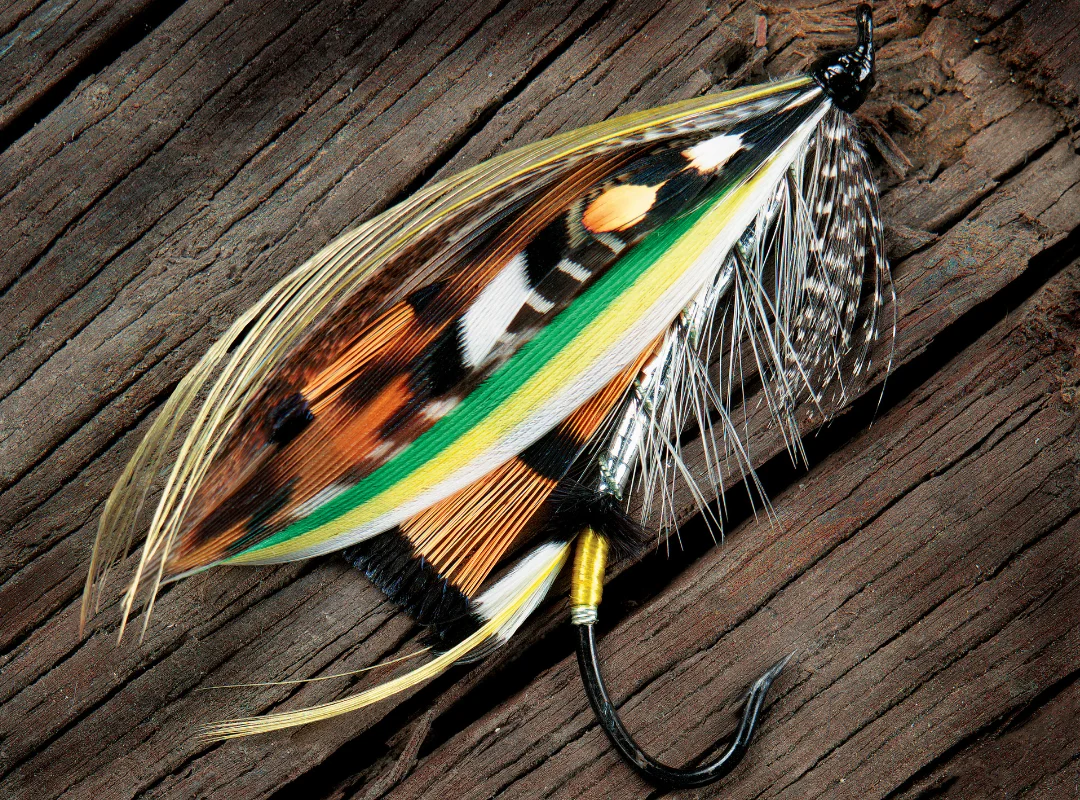
Barbed hooks improve retention, but barbless hooks reduce fish handling injury and may be required by regulations. Fish caught on barbless hooks come off the net faster, so handle them with care and release them quickly.
Many anglers squeeze the barb flat with pliers instead of buying separate hooks. Others leave the barb on streamers for big fish, but the security trade-off is small if you keep steady pressure on the fish. Read about barbless hooks for fly fishing before your next trip, and check local regulations on special trout waters, since rules change from river to river.
Matching Hook Sizes to Your Fly Rod
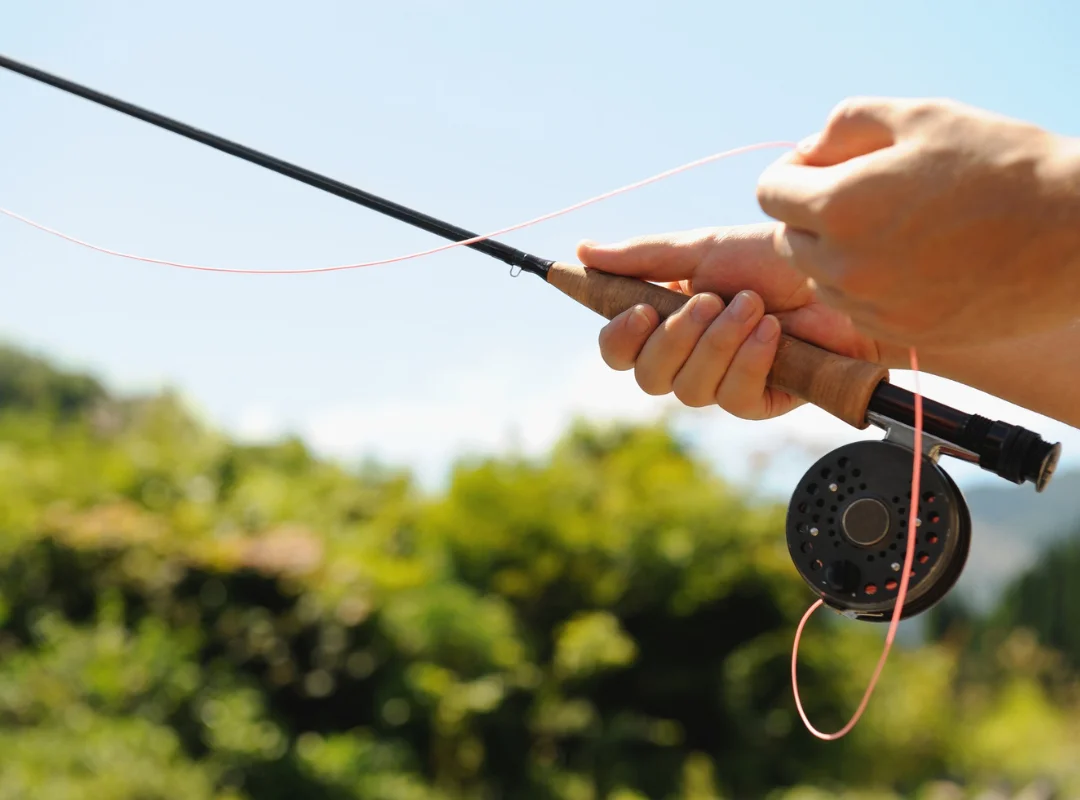
Your fly rod needs to handle the flies on the end of the line:
- 3–5 weight: Small dry flies and nymphs, size 14 and smaller
- 6–7 weight: Streamers and articulated flies around size 4
- 8 weight and up: Bass bugs, steelhead flies, and saltwater flies on 1/0 hooks
Heavy flies on large hooks cast shorter distances and require a stronger rod to turn over, while tiny hooks cast farther with less effort.
Your tippet must match, too, since a tippet size for technical trout fishing is only compatible with small hooks.
Frontier Anglers TN: Guided Fly Fishing Trips
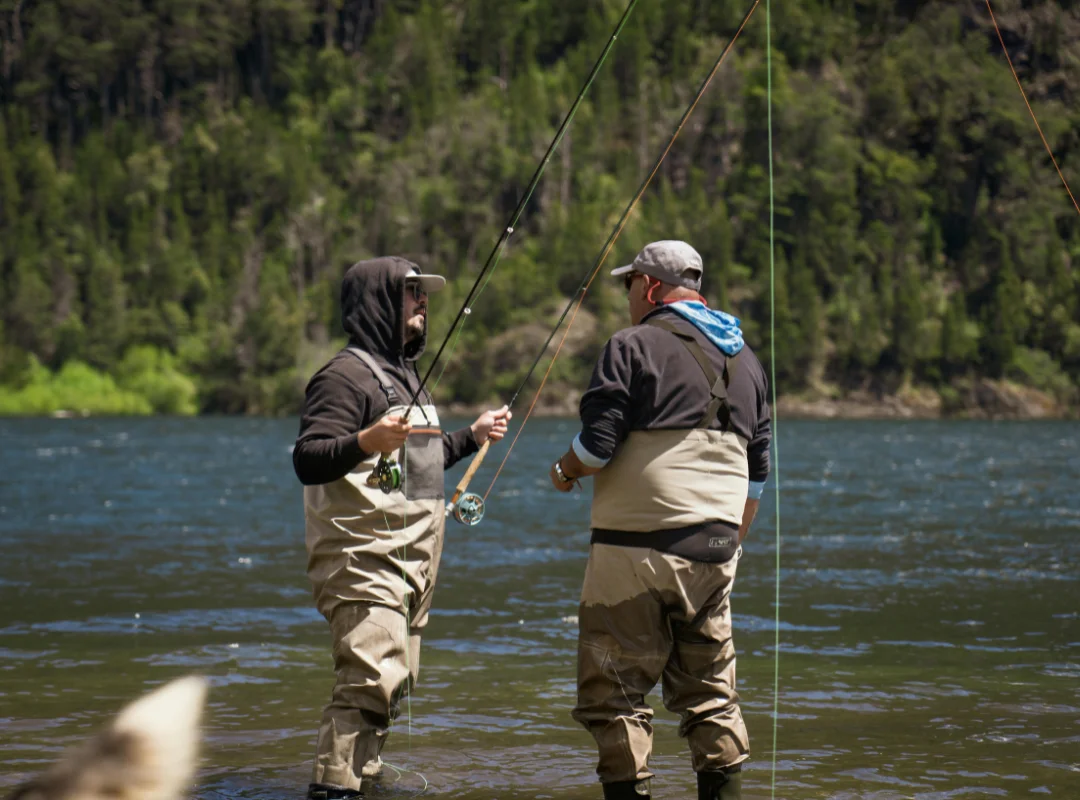
Frontier Anglers TN guides trout and smallmouth trips on the Norris-Clinch, Cherokee-Holston, and Caney Fork rivers, as well as fly fishing trips in the Great Smoky Mountains National Park.
Our USCG-licensed guides teach hook-and-fly selection on the water and supply flies tied on the right hook size for each river and season, so you don't have to worry about building a fly box first.
Book your trip today and talk to our guides about which hooks work best in East Tennessee waters. Call us at 865-719-0227, email pheasanttail12@live.com, or reach us in Maryville, TN.
Frequently Asked Questions
Q1: Is a size 12 or 14 hook bigger?
A: A size 12 hook is bigger. Fly hook sizes run in reverse, so smaller numbers mean larger hooks. The step from 14 to 12 adds a noticeable gap and shank length for larger insects.
Q2: Is a size 4 hook too big for trout?
A: Not for streamers. A size 4 hook is standard for articulated flies and big baitfish patterns that target large trout. It's too big for dry flies and nymphs, which usually run from size 12 to 18.
Q3: Is a #4 or #8 hook bigger?
A: A #4 hook is bigger than a #8. Below size 1, the larger the number, the smaller the hook. A #4 suits streamers and bass flies, while a #8 fits hoppers and large nymphs.
Q4: What do I need to start fly fishing?
A: You need a fly rod, reel, fly line, leader, tippet, and a small box of flies in a few hook sizes. Add basic knots, waders or wading boots, and polarized sunglasses for most river trips.
Q5: Is it hard to start fly fishing?
A: Not at first. Most beginners learn a basic cast and essential knots in one day. Reading water and matching hatches take longer, and a guided trip shortens the learning time on the river.