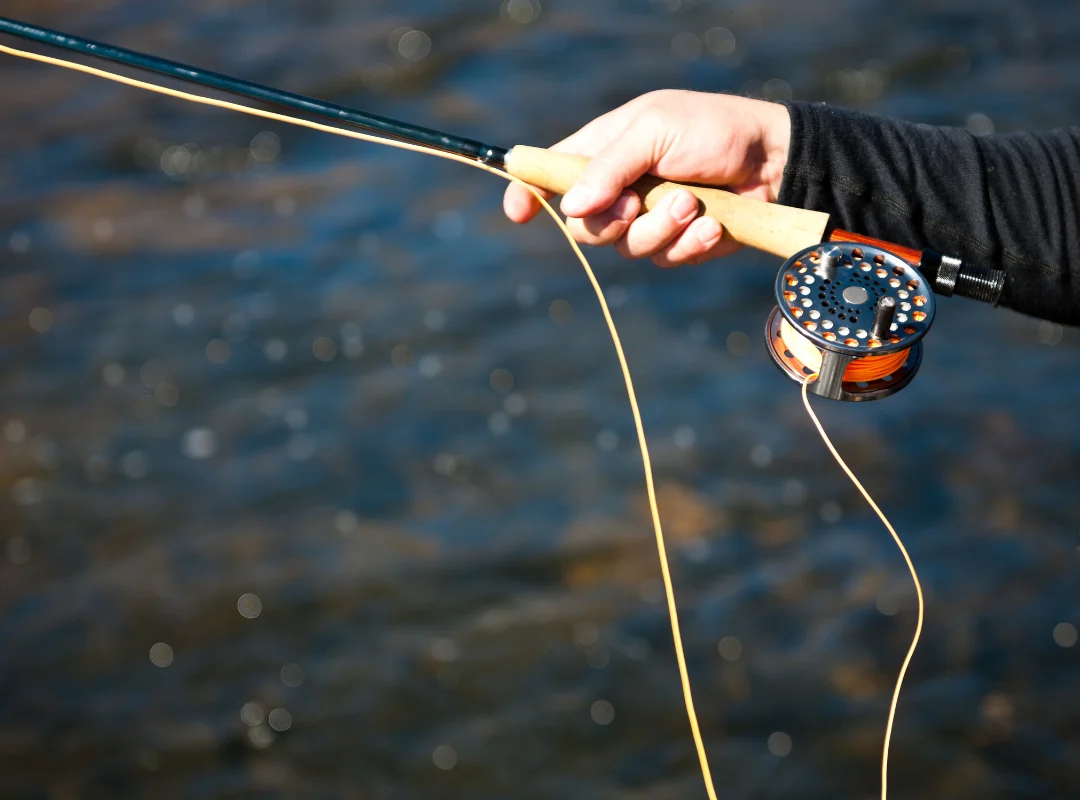
The Mechanics of Fly Fishing Reeling

Mastering fly fishing reeling is one of the last challenges for newcomers to the sport. Unlike spin fishing, where the reel drives casting and retrieval, the fly reel holds the line during casting. But once a trout or smallie takes your fly, managing the extra line becomes crucial. Many anglers get tangled because they focus too much on the rod and overlook how the line works with the reel. Let’s learn more about the mechanics of fly fishing reeling.

Essential Components of the Fly Reel

The anatomy of a fly reel is all about functionality that differs from other types of fishing. At its core, the reel must be matched perfectly with your fly rods so that it can provide the balance that is necessary for a clean cast.

Inside the reel, the arbor knot is the foundation, securing the backing to the spool. This is followed by the fly line, which is frequently attached to the leader using a welded loop or nail knot. The vast majority of modern setups use a welded loop because it allows for quick changes while maintaining a low profile that slides through the guides.

The drag system is the most critical mechanical part of the device. An adjustable drag allows you to set the right tension so that when bigger fish make a sudden run, the line exits the spool without snapping the leader.

Managing All the Extra Lines

Managing the slack is one of the biggest challenges in fly fishing reeling. You often end up with a pile of fly lines at your feet when you are stripping lines to mimic the movement of an insect.

Many years ago, anglers had to be meticulous about how they coiled this extra line to avoid tangles. If you find yourself with a larger fish on the hook, your first priority is to get that slack back onto the reel.

You must maintain control by keeping the line under the finger of your dominant hand while your other hand turns the handle.

If you try to reel in the wrong way, such as neglecting to guide the line back onto the spool, you risk a "bird's nest" that can jam the drag system.
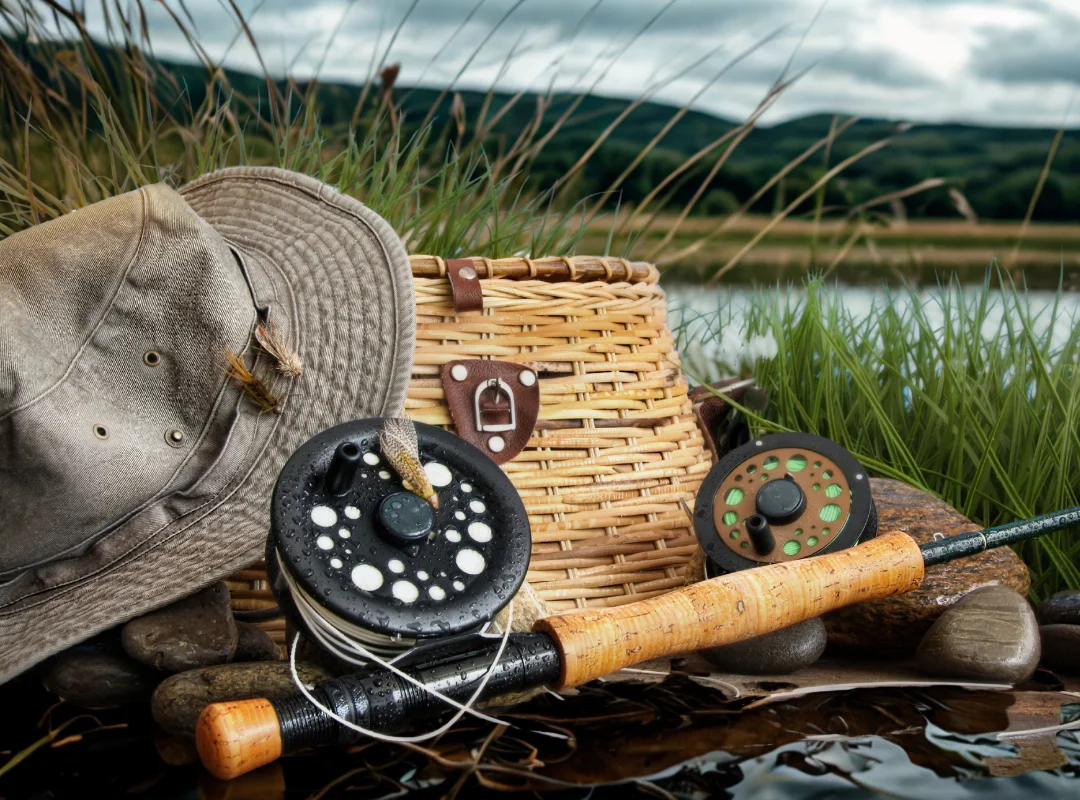
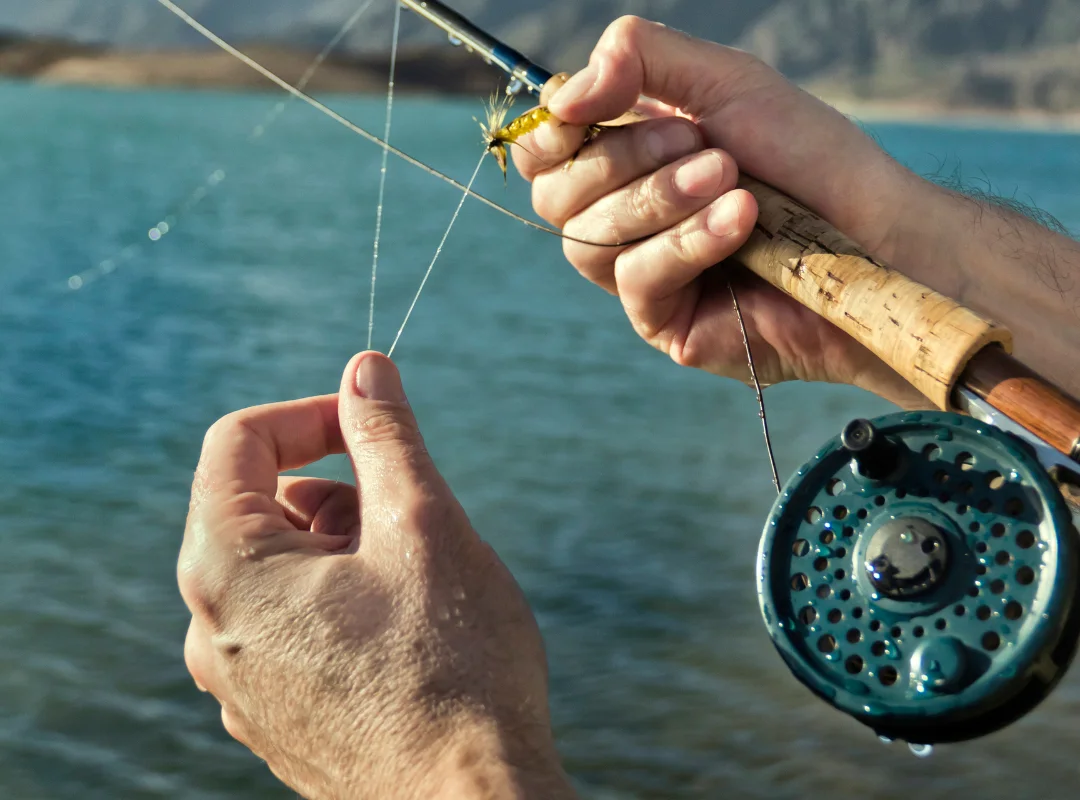
Fly Fishing Reeling
Fly Fishing Frontier Anglers TN

The Role of the Drag System in Fighting Fish

The drag system acts as your mechanical assistant when fighting fish. By applying more tension through the adjustable drag, you tire out the animal without putting too much stress on the fly rods.

Always remember that the reel is not a winch. You should use the rod to lift and pull, then reel in the slack as you lower the rod tip. For fly fishing, this rhythmic motion is the standard. If a trout takes off on a long run, let the drag system do the work. The vast majority of break-offs happen because a fly fishing angler tries to palm the reel too hard instead of trusting the right tension that is set on the adjustable drag.

Choosing Between the Right Side & Left Side

A common debate among those new to fly fishing is whether to have the handle on the right side or the left side.

Traditionally, many people reeled with their dominant hand, but modern techniques suggest reeling with your non-dominant hand. Why? This allows your dominant hand to stay on the cork of the fly rods, providing better leverage for fighting fish.

right-handed? You likely want your reel set up for left side cranking. Switching this setup generally involves flipping a bearing inside the reel housing, a simple task that ensures that you don't have to switch hands after a hook set.

How Much Line & Proper Knots

Knowing how much line to keep on your spool is a matter of physics and capacity. You need enough backing to handle the long runs of bigger fish, but not so much that the fly line rubs against the frame of the reel.

Remember to keep the arbor knot tight and seated at the center of the spool. When you are attaching the fly line to the backing, a nail knot provides a permanent connection, whereas the welded loop found on the end of most modern lines makes attaching the leader a breeze.

Go for proper knot tying because this is the only way to maintain control when the pressure is at its peak. Without these secure connections, the vast majority of trophy catches would be lost before they ever reached the net.

Evolution of Fly Fishing Reeling

Years ago, reels were simple click-and-pawl designs that gave very little resistance. Today, the technology has evolved to include:

  • Carbon fiber discs
  • Sealed housings

Even though the reel still functions as a line holder for much of the day, its role during the pursuit of larger fish is totally undeniable. In the past, if a trout took a fly and headed downstream, the angler had to use their palm to create more tension. Now, with a simple turn of a knob, you can apply the right tension instantly.

Maintenance for Your Reel

You must treat the reel as a precision instrument to ensure your reel lasts for many seasons.

  • Rinse the reel after a day of fishing to remove any grit or dirt that may have entered the drag system.
  • Check the welded loop for cracks and ensure the nail knot is still seated firmly.

Because the reel spends much of its time as a line holder, it is easy to forget that it contains moving parts that need lubrication. A small drop of oil on the spindle can make the retrieve much better.

Using vintage gear from years ago or the latest high-tech fly rods? Maintenance is the key to consistent performance.

Final Thoughts on Fly Fishing Reeling

In conclusion, fly fishing reeling is a skill that surely requires patience and practice. From the moment of the hook set to the final seconds of fighting fish, your fly fishing equipment must work in perfect harmony. The fly line must flow through the fly rods without any friction, and the reel must provide the right tension to tire the prey.

Learn how to manage all the extra lines and how to utilize the adjustable drag. By doing this, you move from being a novice to a proficient angler. Fly fishing is all about the connection between the human, the tool, and the environment. Mastering the reel is therefore completing that circuit.

How to Wind Line on a Fly Reel

Discover the Best Rivers in Tennessee

The region offers some of the most spectacular moving water for those who are looking to practice their skills. You can find incredible opportunities on the Douglas-French Broad River or the Cherokee-Holston River.

Prefer colder waters? The Norris-Clinch River is a premier destination.

And for those who enjoy the beauty of the mountains, the Little River and Pigeon River provide stunning backdrops.

Finally, the Caney Fork River remains a staple for anyone who is in search of a classic experience.

Book your trip today with Frontier Anglers TN.

Call us now to learn more!

Frequently Asked Questions

Q1: What is the best way to manage an extra line while fly fishing?

A: The best way is to keep the line organized in large loops in your hand or at your feet. Once you hook a fish, try to get the line back onto the reel as fast as possible while keeping tension on the fish.

Q2: Should I reel with my right or left hand?

A: Most modern fly fishing anglers prefer to reel with their non-dominant hand. This allows your dominant hand to stay on the rod for better power and control during the fight.

Q3: What are the best rivers for fly fishing in Tennessee?

A: The Clinch, Holston, and French Broad rivers are some of the top spots in Tennessee for consistent action and beautiful scenery.

Q4: When should I use the drag system on my reel?

A: You should use the drag system whenever you are fighting a fish that is large enough to pull line off the spool. The drag prevents the line from breaking under sudden pressure. Learn more by calling Frontier Anglers TN today.

Q5: What is a welded loop?

A: A welded loop is a factory-made loop at the end of a fly line that allows for loop-to-loop connections with leaders, making rigging much faster and more secure.

CHECK OUT

Our Supporters

©frontier anglers tennessee ALL RIGHTS RESERVED.