Sink Tip Line for Striper

Fly fishing for striped bass in Tennessee rivers brings its own challenges. Strong current, moving water, and the way striper hold deep means you need the right setup for fishing. Anglers often debate what line system works best. Reports and guides across the region agree that using a sink tip line for striper is the go-to choice. Let’s break it down today.

Why Use a Sink Tip Line for Striper in Tennessee Rivers

Always remember that striper don’t always sit high. They hug deeper runs, holding just off the fast current. A floating setup won’t cut it. With a sink tip line for striper, you get the fly down fast while still keeping a controlled drift. The front section sinks, while the rest of the line stays manageable. This is the balance that makes this system stand out for fly fishing.

How a Sink Tip Works

A sink tip is a section of line that is made to pull your fly into deeper lanes. Instead of your whole setup going down, only part of it sinks. This gives better control when you are fishing in moving water. It’s not just about depth. The tip angle helps your hook sets land cleaner since you’re keeping direct contact with your fly. Anglers chasing striped bass know that strong takes need that kind of direct connection.

Comparing Sink Tip Lines to Other Fly Lines

A full floating line keeps you on top. Great for trout or smallies when they’re feeding shallow, but not for striped bass. Full sinking lines drop your fly too much in rivers. They drag in rocks, making it a bit tough to stay in the zone. That’s where sink tip lines really shine. You get depth, without losing control.

For in-between water, an intermediate running line can help. These stay under the surface but don’t dive hard. Some guides switch between systems depending on the speed of the current. But when striper are holding deep, the sink tip line for striper remains the ideal call.
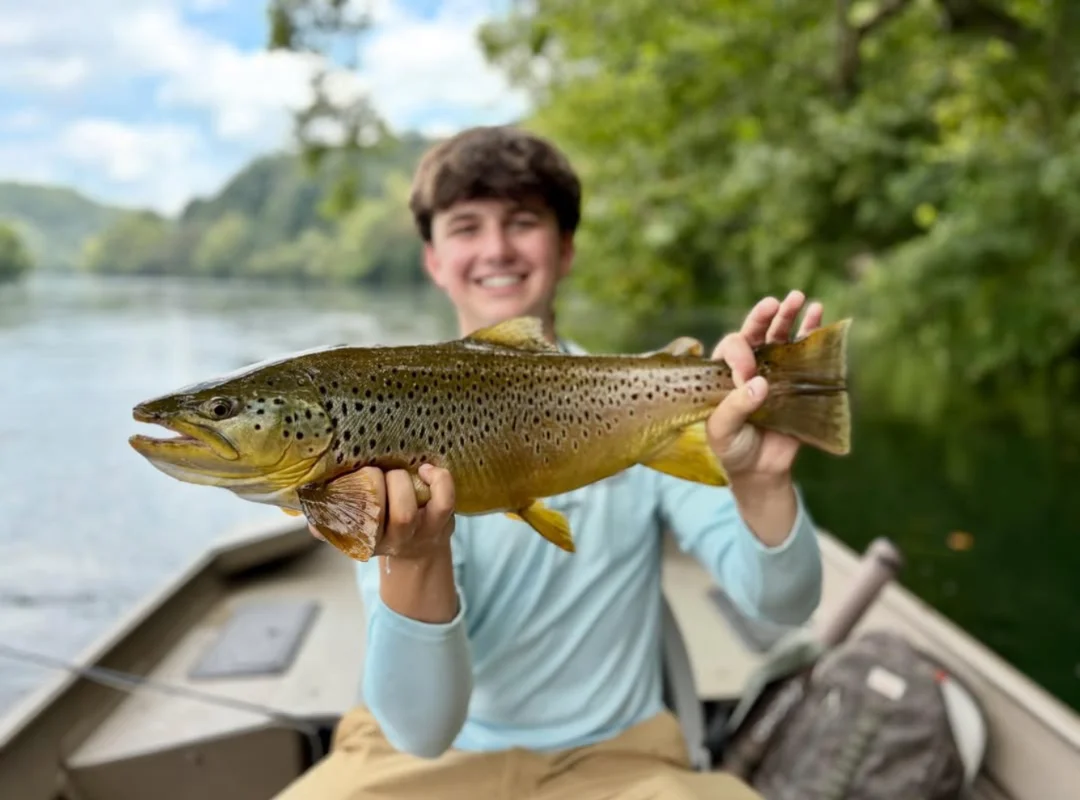
How to Correctly Handle Trout
How to Hold a Trout for Beginners

Popular Options on Tennessee Rivers

Different brands bring different designs. “Rio Lines” is a common choice. Then there is the “Rio Striper line”. These are built with heavy grain weights and are built for long cast situations. It also pairs well with a shooting head system, which gives distance in big rivers like the French Broad and Holston.

Another trusted name is “Scientific Anglers”. Their designs focus on exceptional durability and balance. For those making trip after trip on Tennessee rivers, durability matters. Constant casting against current wears gear down. Anglers report that scientific anglers' setups hold up.

How Shooting Heads Fit In

Many fly fishing anglers use a shooting head system to reach striper in wide river channels. With a biased weight or a biased weight, the head loads faster. That means your rod can handle long cast throws even when the wind picks up. Guides report that these setups lure the fish into lanes that striped bass use without spooking them.

Features That Matter in a Sink Tip Line

When choosing sink tip lines, several factors stand out:

  • Welded loops: These allow for fast changes and a strong, direct connection.
  • Low-stretch core: Helps improve hook sets on hard strikes from striper.
  • Exceptional durability: Important for anglers fishing in rough waters.
  • Front-biased weight: Gives better load rod action on the cast.

Each feature plays a strong role. Without them, control suffers, and striper are missed.

Balancing Depth & Control

Reports from guides in Tennessee note that excessive sink can be harmful. That's why full sinking lines often fail in rivers. The trick is the right balance. The sink tip gets you just deep enough without hanging at the bottom. An intermediate line can sometimes be paired with tips to fine-tune depth. The great line balances both reach and control.

Striper Versus Smallmouth Bass & Trout Fish

While the main target here is striped bass, it's worth noting how striped bass compares to other Tennessee River fish. A floating line is generally enough for trout fish sipping dries. A line with a lighter shooting head system handles Bronzeback. Stripers demand more. Their power, their depth, and their speed make the sink tip line for striper the standout choice.

Guides often joke that brownies will “play nice,” but striper “hit like freight trains.” That means your line has to be ready. Without the right sink tip, you’ll miss strikes.

The Role of Running Line

The running line works behind your shooting heads. A good one gives distance at the same time, staying tangle-free. Many anglers prefer coated running lines for easier handling. Pair it with a low-stretch core, and you’ve got the backbone for bigger fish.

Why Durability Matters

Tennessee rivers can be rough on gear. Rocky shelves, and woody debris, Gravel runs, all take their toll. A line with exceptional durability keeps you fishing trip after trip. Both scientific anglers and Rio line designs report higher longevity compared to cheaper models.

Durability keeps loops and tips from failing mid-fight. Losing a striped bass because of weak construction is a common story among new fly fishing anglers. That’s why guides stress investing in a great line with welded loops and a direct connection.

Casting With Sink Tip Lines

Casting differs when you switch from a floating line to a sink tip setup. The added weight at the front demands the right timing. The front-biased weight helps, giving quicker load rod 

performance. This makes the long cast possible without losing any accuracy.

Tennessee anglers say that striper often hold across wide channels. That extra reach puts you in the strike zone. Without the right setup, your fly stays out of range.

Why Guides Recommend Rio Striper Line

The Rio Striper line is generally singled out. Designed for cold water, it holds shape in rivers. Paired with sinking heads, it drives flies into the zone. Anglers note its low-stretch core and direct connection improve hook sets. Many also praise the welded loops for making tip changes quicker.

Scientific Anglers in Tennessee Rivers

Reports also highlight designs of “Scientific Anglers”. They’re built with durability and a biased weight that helps with accuracy. Many who fish both smallies and striper keep a spool ready. 

The shooting head system these lines use matches well with striper runs in the Holston River 

and the French Broad River.

Final Report on Sink Tip Lines for Striper

Catching striped bass in Tennessee rivers takes more than just skill. Gear plays a huge role. The sink tip line for striper consistently comes out on top. From intermediate running lines to shooting heads, every feature adds up.

The great line is one that balances reach, sink, and control. The “Rio Striper Line” and “Scientific Anglers” setups deliver that mix. Features like low-stretch core, welded loops, and exceptional durability give anglers the edge.

In short, if you’re serious about striper on Tennessee rivers, the sink tip line for striper is the right choice.

Sink Tip Line for Striper in Tennessee Rivers

Frontier Anglers TN guides trips on the Cherokee – Holston River, Douglas – French Broad River, Norris – Clinch River, the Caney Fork River, Little River, and Pigeon River

These rivers hold incredible runs, and with the right fly fishing setup, you’ll have the chance to cast, strip, and connect with trophy fish like smallies and brownies. Using the right fly line and understanding how a sink tip works will put you in the zone where the bass feed most.

Call us today at +1 (423) 878-2822 and book your guided trip for the striped bass adventure.

What to Do Immediately After Catching a Fish

Frequently Asked Questions (FAQs)

How to correctly handle trout?

Correct trout handling comes down to minimising stress and protecting the fish’s slime layer. Keep the trout in the water as much as possible, wet your hands before touching it, and use a rubber-mesh net. Remove the hook quickly, avoid squeezing the body, and release the fish facing into the current once it regains strength.

What is the 60/20/20 rule in fly fishing?

About 60% of the time, the fish should stay fully submerged. Limit air exposure to roughly 20 seconds total, and spend the final 20% of the interaction focused on a calm, proper release. It’s all about reducing handling stress and improving survival rates.

Are trout safe to handle?

Yes, trout are safe to handle as long as it’s done correctly. Wet hands, gentle pressure, and minimal air exposure are key. Trout don’t have sharp teeth or spines, but rough handling can seriously harm them. Treat each fish like a fragile resource, not a trophy, and you’ll keep both the trout and yourself safe.

What is the rule of 11 in fly fishing?

The rule of 11 helps anglers judge safe winter trout fishing in East Tennessee. Subtract the water temperature from 100. If the result is 11 or less, conditions are generally safe for catch-and-release. Anything higher means trout are under more stress, and it’s often best to avoid fishing or handle fish extremely quickly.

CHECK OUT

Our Supporters

©frontier anglers tennessee ALL RIGHTS RESERVED.