Which Tennessee Rivers Offer The Best Smallmouth Bass Populations

Tennessee Rivers Smallmouth Bass Populations

Tennessee has earned a strong reputation among fly fishing anglers for its thriving river systems and consistent action. The state offers some of the most reliable opportunities for targeting smallmouth bass. Let's talk more about which Tennessee rivers offer the best smallmouth bass populations.

Tennessee Rivers & Smallmouth Bass Populations

When fly fishers ask which Tennessee rivers offer the best smallmouth bass populations, several names consistently come up based on:
These rivers support strong numbers of Tennessee smallmouth, along with opportunities for catching trophy bass throughout the year.

Smallmouth Bass Populations in the Pigeon River

The Pigeon River is known for holding healthy numbers of smallies, especially in sections where current flow creates oxygen-rich conditions.
Deep runs, Rocky structure, and ledges provide perfect holding areas for fish throughout the year. You can find success targeting transition zones where faster water meets calmer pockets, as bass tend to position themselves to ambush prey.
Seasonal flows influence the activity of the smallies, with warmer summer months bringing them into more accessible areas, while cooler periods push them into deeper channels.

Smallmouth Bass Populations In Little River

Little River in Tennessee offers a scenic and productive setting for Bronzeback, particularly in stretches with clear water and consistent current. The river’s mix of rocky banks, riffles, and pools creates excellent habitat that supports steady smallie populations.
Bronzeback in this system are generally more cautious due to water clarity, which makes presentation important. During cooler months, you will see them holding deeper where water conditions remain stable.
On the other hand, in warmer seasons, bass move into feeding zones near structures.

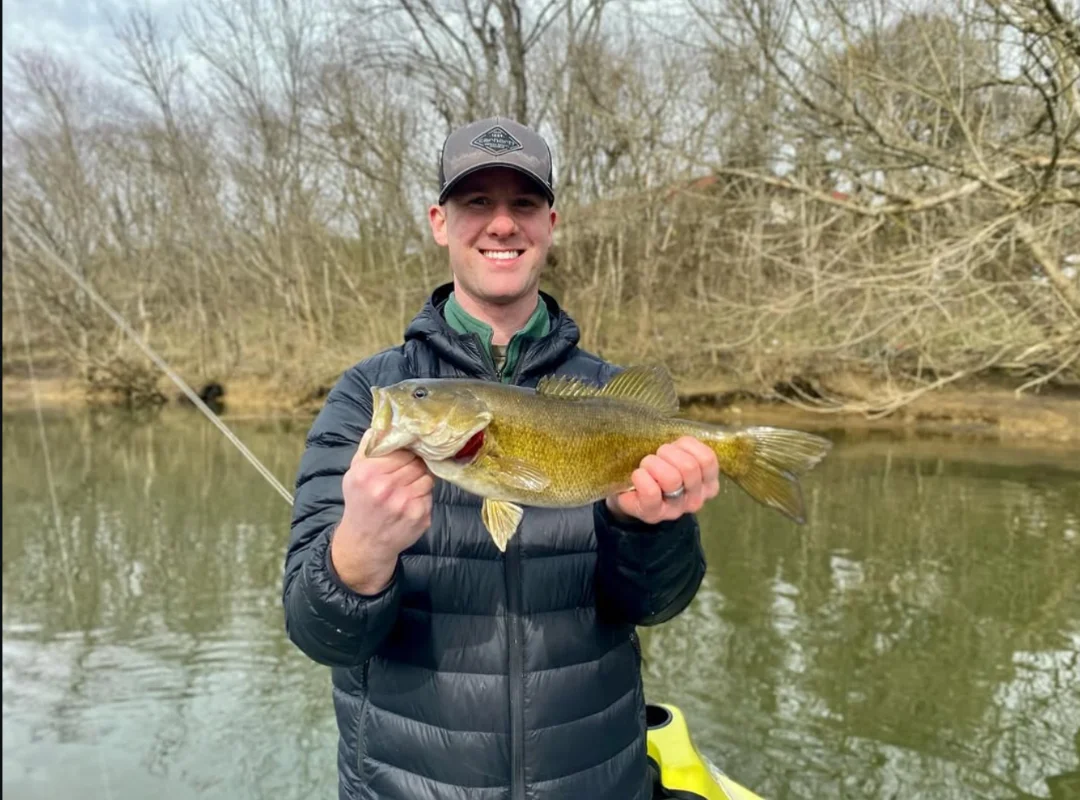
Smallmouth Bass Populations in the Cherokee Holston River

The Cherokee section of the Holston River is recognized for strong smallmouth bass populations supported by regulated water flows. Tailwater conditions create consistent environments where smallies can thrive, leading to both high numbers and quality size.
If you are targeting this river, you should focus on seams and deeper runs where bass hold in current. The temperature is steady there, and oxygen levels contribute to year-round opportunities, making it a super reliable destination for consistent action.

Smallmouth Bass Populations In Caney Fork River

The Caney Fork River in Tennessee is another productive system where smallmouth bass can be found, particularly in sections further from cold-water influence.
As the river transitions into warmer zones, populations of smallies become more prominent, taking advantage of structure such as:
You can focus on deeper pools and current seams where fish gather to feed. The changing conditions of the river throughout its course provide you with a variety of fishing opportunities if you are targeting smallmouth bass.

Tennessee River & Its Smallmouth Opportunities

The stunning Tennessee River is one of the most recognized waterways in the region, known for producing both size and quantity. This system connects multiple tailwaters and reservoirs, creating diverse environments for smallmouth bass fishing.
Areas with current breaks, ledges, and structure hold aggressive fish, especially when the fish's active periods align with feeding windows.
Fly fishing anglers generally find success near bait sources like threadfin shad, which attract both smallmouth bass and other species such as striped bass.
Holston River Smallmouth Bass Fishing Tennessee
Smallmouth Bass Fishing Frontier Anglers TN

Best Conditions for Smallmouth Fishing

Success in freshwater fishing for smallmouth bass generally depends on understanding their behavior.
You should keep in mind that smallies favor areas with:
Submerged ledges, Rocky banks, and deep pools are prime holding spots for smallmouth bass. During feeding periods, aggressive fish push bait toward the surface, making topwater lures productive.
Presentation is game-changing in fly fishing. Many fly anglers focus on current seams and eddies where smallies wait for drifting prey. Using a fly rod allows for precise casting in tighter sections of the rivers, especially in clear water conditions.

Why Tennessee Is Known for the Best Freshwater Fishing

Tennessee consistently ranks among the best destinations for freshwater fishing, and there is a fair reason behind this, which is,
The Tennessee Wildlife Resources Agency actively manages populations of the smallies, maintaining balanced habitats that support both recreational and trophy-level fishing.
You can target multiple species in a single outing, including:
This variety, combined with accessible rivers, makes the state a top choice for both experienced fishermen and beginners.

Techniques for Catching Trophy Bass

Targeting trophy bass requires two things: patience and strategy! Larger smallmouth bass tend to hold in deeper water or near structure during daylight hours. Focusing on ledges, transition zones, and deep pools increases your chances of catching trophy bass.
Timing also matters. Evening periods and early morning often bring increased activity as fish's active behavior peaks. During these times, you will notice fish moving toward shallower areas near gravel bars and rocky banks.

Conclusion

Tennessee offers rivers that support strong populations of smallies, from the scenic flows of the Caney Fork River to the Little River. Each location provides you with unique opportunities for smallmouth fishing, shaped by:
With support from the Tennessee Wildlife Resources Agency, these fisheries continue to attract flu fishing enthusiasts looking for both numbers and trophy bass.
Using a fly rod or traditional tackle? Tennessee stands out as a destination for memorable freshwater fishing experiences.

Plan Your Trip With Frontier Anglers TN

Explore some of Tennessee's most productive waters with Frontier Anglers TN. We are offering guided trips on premier fisheries, including the Cherokee-Holston River, the Douglas-French Broad River, the Norris-Clinch River, the Little River, the Pigeon River, and the Caney Fork River.
We will help you target smallmouth bass and brownies in proven locations while learning techniques used by experienced local anglers.
Call us at 865-719-0227 and book your trip today to experience some of the best freshwater fishing Tennessee has to offer.
What is the Best Smallmouth River in Tennessee

Frequently Asked Questions

Q1. What is the best time for smallmouth bass fishing in Tennessee?

A: The best times for smallmouth bass fishing are typically spring and fall, when water temperatures are moderate and fish are more active.

Q2. Which river in Tennessee has the most smallmouth bass

A: The Tennessee River is often considered one of the top locations for its size, structure, and consistent production of Tennessee smallmouth bass.

Q3. Are smallmouth bass harder to catch than largemouth bass?

A: Smallmouth bass are known for being aggressive, but they can be more challenging because they prefer current and structure to largemouth bass.

Q4. Can you fly fish for smallmouth bass in Tennessee?

A: Yes, fly fishing is very popular, especially on rivers like the Cumberland River, where fly anglers use a fly rod to target fish in moving water.

Q5. Does Frontier Anglers TN guide trips in Tennessee rivers

A: Yes, Frontier Anglers TN offers guided trips across top Tennessee rivers, helping anglers experience quality bass fishing in some of the state’s most productive waters.

CHECK OUT

Our Supporters

©frontier anglers tennessee ALL RIGHTS RESERVED.