Small tool. Big difference. That is fly fishing in a nutshell. Among all fishing tools, few get used as often as fly fishing forceps, and how to use them. They sit in sling packs, pockets, and vest clips, always ready for quick work on the river. Let's know more.
In fly fishing, moments move fast. A hooked fish does not wait. Neither does a tangled rig. That is where fly fishing forceps take over. Built for precision, control, and grip, they become an extension of your hand when you are handling delicate fly hooks or removing deeply set flies.
Tight spaces, fast water, and quick decisions. Everything happens in seconds. You should rely on them when you are working with barbless hooks, especially in clear rivers where quick hook removal matters.
The most common style is "hemostatic forceps". They look simple, almost surgical. Narrow nose. Long arms. Built for precision. Their strength comes from the locking mechanism. Once clamped, they stay closed without constant pressure. That matters when a fish is thrashing or when your hands are wet and cold.
That locking feature gives you a stable grip while removing hooks from the fish's mouth, even when working with small, tiny flies that disappear deep in the tissue.
Locking forceps come in different builds. Some feature serrated grips, and others use flat jaws for smoother contact with delicate areas inside the mouth of the fish. Flat jaws matter when you are dealing with smaller species like trout, where precision beats force every time.
Remember that a stable grip reduces the risk of slipping. That means fewer missed angles when you are working with tight hook placements. And even a slight shift can change the outcome of hook removal.
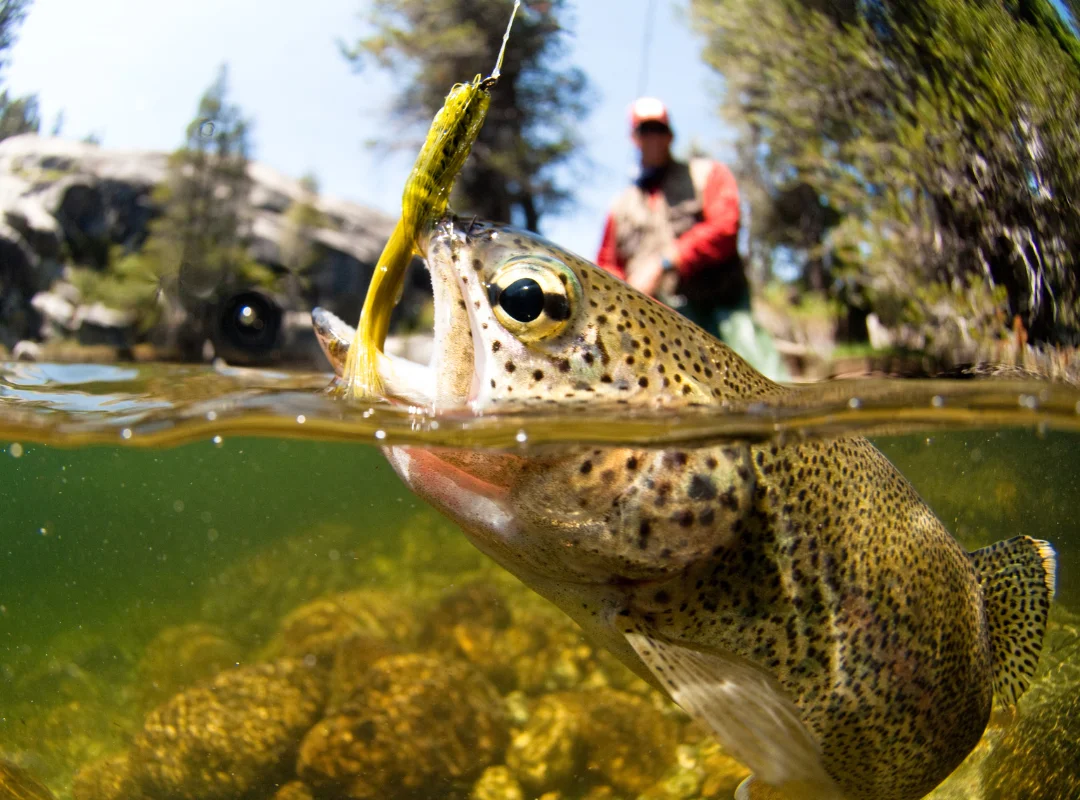

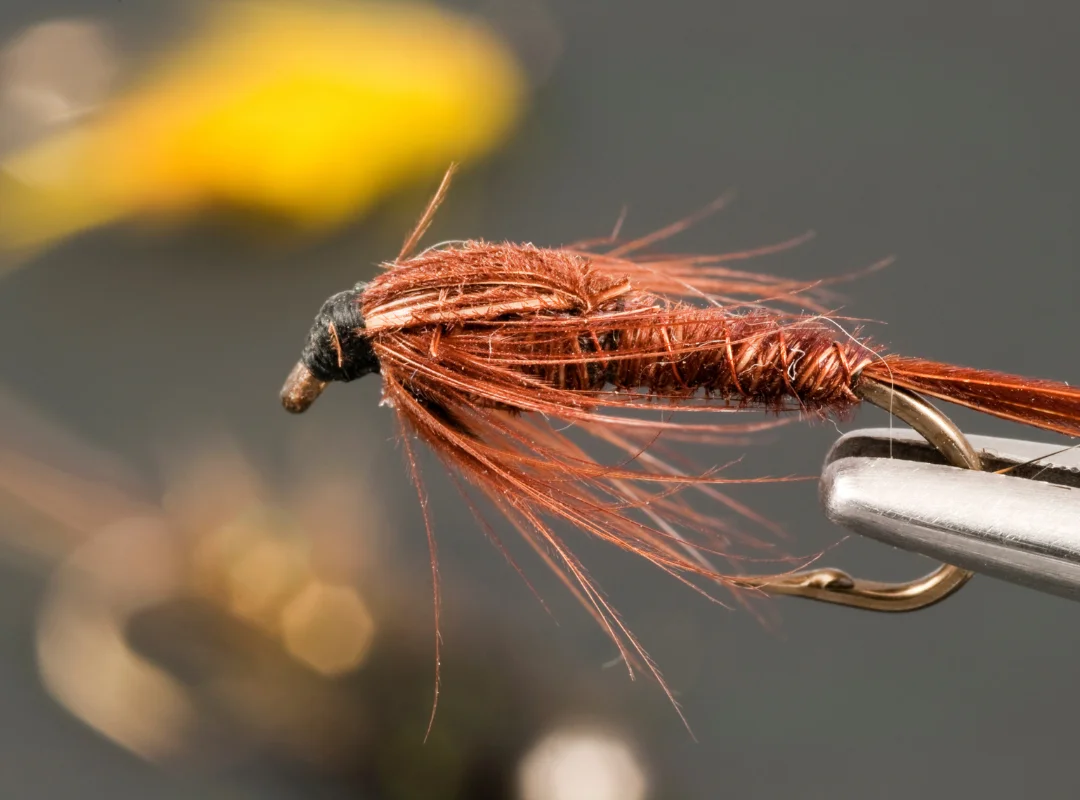
Good tools last. Poor ones bend. Most fishing forceps that are reliable use high-quality stainless steel because this material:
Rain. River spray. Constant use. No issue.
If you are someone who fishes often, you will quickly learn that cheap tools fail at the worst moment. A weak hinge or a bent jaw can turn your simple task into a source of frustration. Always remember that strong material keeps everything consistent.
Placement of fly fishing gear matters more than most realize. Many fly anglers keep forceps clipped to a sling pack, right next to fly boxes filled with patterns ready for changing water conditions.
Quick access matters too when you are switching between rigs or dealing with sudden strikes. And when those smallies or brookies eat a fly deep, reaching for tools should take seconds, not minutes. Everything has a place. Everything stays ready.
Removing hooks from a fish's mouth requires some calm motion.
Simple steps. Clean execution.
Forceps are not only for hooks. They also crush split shots onto leaders when adjusting depth. They pinch knots tight and straighten tangled tippet sections. You can even use them near strike indicators when adjusting position on the line.
Versatility matters: one tool can give you multiple roles. That is why many consider them essential fishing tools rather than optional gear.
Not every angler has delicate hands. Some deal with what many jokingly call fat fingers. That is where forceps shine. Everything becomes easier with a controlled grip tool rather than direct fingerwork. Even tiny flies deep in the throat of those smallies and brookies become manageable with proper reach and leverage. No struggle. Just easy access.
Not all forceps feel the same. Some fly fishing anglers prefer long-nose models. Others want compact builds, which are small. From tight snap locks to softer tension systems, the locking feature style differs, too. This comes down to your personal preference.
What matters most is reliability under pressure and comfort during repeated use. A good pair feels natural in your hand, not forced. You should always test different styles before settling on one that fits your fishing rhythm.
Working under tight lines demands real efficiency. When a fish is hooked, the goal is quick release. That means clean removing flies from fly hooks without unnecessary handling.
Forceps give you good reach and control that fingers cannot match, especially when you are dealing with fast-moving water or small hook gaps. Less time handling fish means more time fishing. Simple equation.

Fishing forceps become part of every motion in real river conditions.
They speed up transitions between drifts and keep momentum steady when you are adjusting rigs or switching flies. Even when you are dealing with flies deep in fast currents, the right tool reduces your frustration and keeps you focused on the presentation.
Everything connects in fly fishing. Rod Line. Leader. Tools.
Forceps sits in that system perfectly, like a simple, quiet backup plan. Always ready and rarely noticed until needed. Remember that a smooth rhythm develops gradually on the river. Cast, drift, hook, release, and repeat. Tools that fit that rhythm disappear into movement itself.
Fly fishing forceps and how to use them may seem simple, but their role on the water is not minor. from adjusting split shots to managing delicate fly hooks, from removing hooks to handling barbless hooks, they sit at the center of fast river decisions. Stronger material, cleaner grip, and faster access will be available. That is the difference between struggle and flow on the river.
Frontier Anglers TN connects you with the most productive tailwaters and freestones of Tennessee, places where gear decisions and handling techniques separate the fish-counters from the fish-catchers.
We offer fly fishing trips on the Cherokee and Holston Rivers, Douglas and French Broad Rivers, Norris and Clinch Rivers, as well as the Little River, Pigeon River, and Caney Fork River.
These aren't postcard destinations. They're working rivers that reward you if you understand water, respect fish, and make smart decisions when it matters. Book your trip now.