Fly fishing is easy to learn at first but takes time to master. About 95% of beginners can learn the basic skills in one day, and a basic 25–30-foot cast takes 30–60 minutes. Reading water and matching hatches take far longer, so patience matters more than talent. Let's learn more.
Even after you learn the basics, it takes a very long time (often years) to be an expert in every advanced detail. Here's what to expect:
Take it in small steps. Every fly fisher learns the cast first, then knots, then water; the real challenge is reading water and hatches, not the cast.
In spin fishing, the lure or bait's weight pulls the line off the reel. In fly fishing, the fly line's weight does the work, and the rod loads and unloads that weight to carry a fly.
Smooth acceleration and stopping the rod are important here. A hard motion collapses the loop, while a crisp stop creates a tight loop that sends the line straight. Many beginners also forget to pause at the backcast. Fly presentation matters more than casting distance, so don't worry about long casts early on.
Practicing casting at home improves performance on the water. Tie on yarn instead of hooks and do a few short backyard sessions before your trip. The basics of using a fly fishing rod properly start with grip and stance, not arm strength.
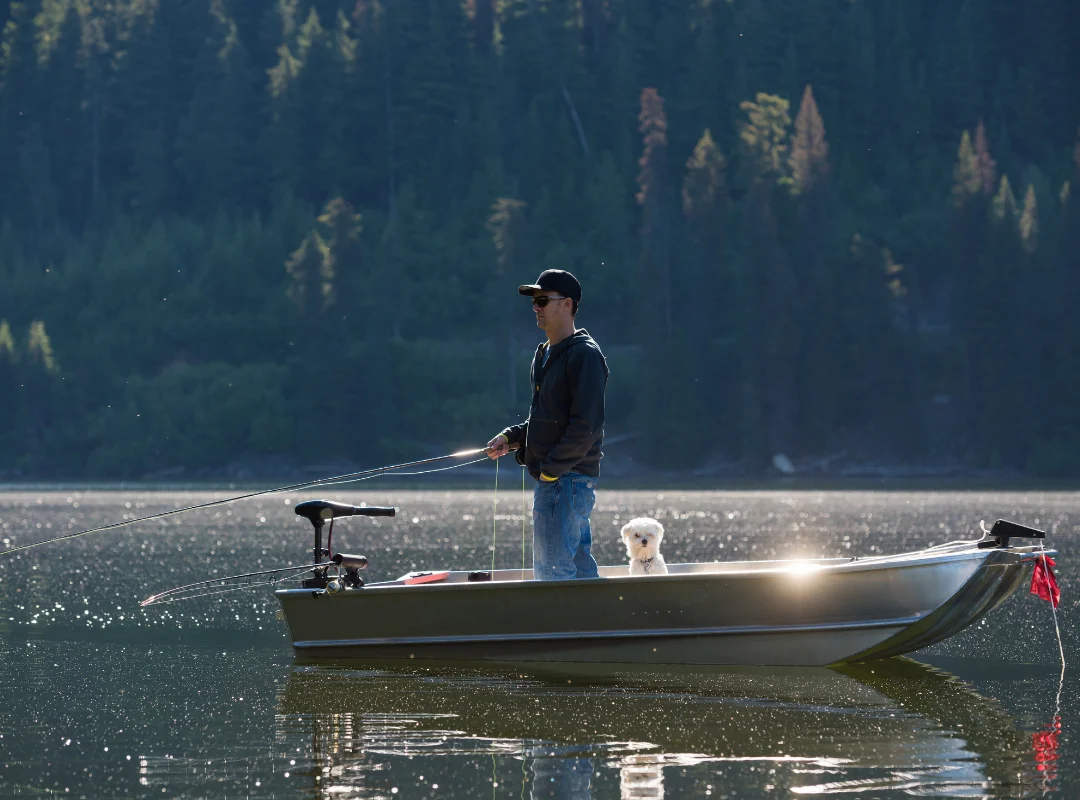
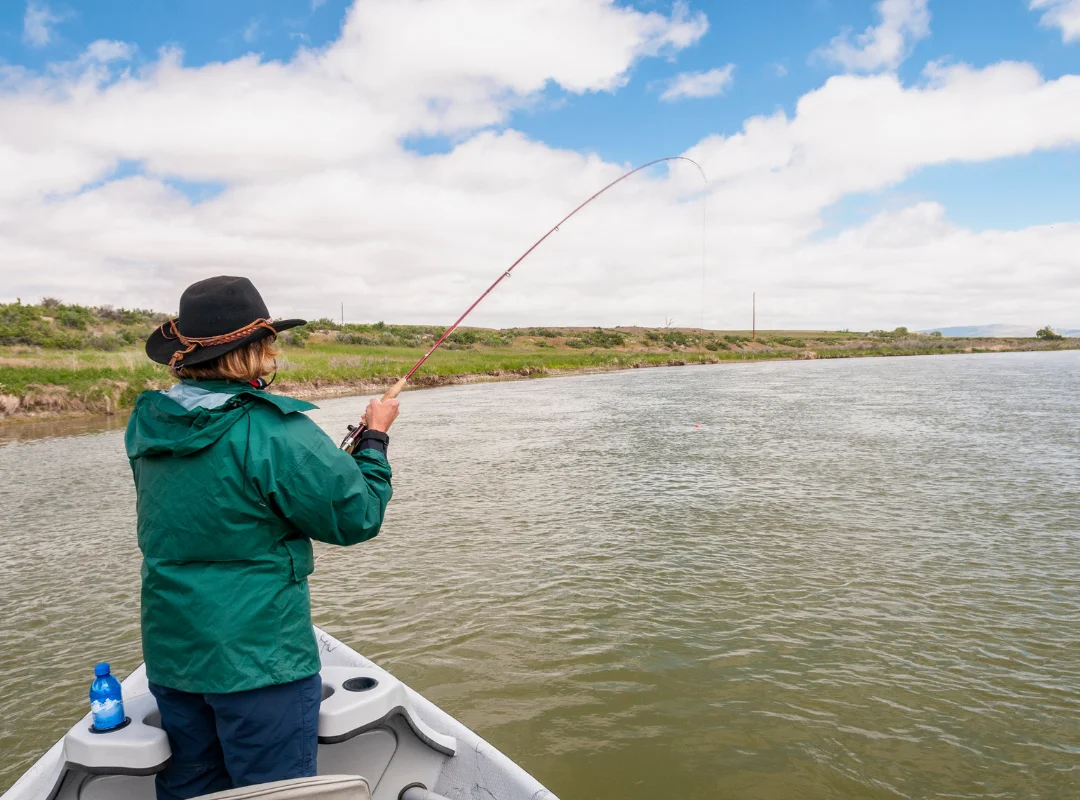
Basic fly-fishing skills include casting and knot tying. Three knots cover 90% of fly fishing situations:
The improved clinch knot is the one you'll tie most often, often a dozen times a day after break-offs and fly changes.
Most fish hold in 2–5 foot zones along seams and drops. Beginners often cast to obvious-looking spots, like the middle of a deep pool, and hope for a strike, instead of fishing the point where fast and slow water meet. Fish congregate where depth and structure interact, so understanding how water flows around rocks, logs, and ledges is crucial to finding them.
Fish are sensitive to movement, so stealth is important. An angler who moves slowly, stays low, and keeps a shadow off the water spooks fewer fish. Polarized sunglasses reduce glare, letting you see seams, drops, and even fish you'd otherwise miss.
Proper line control prevents unnatural drag that spooks fish. If you wonder why fish ignore a good fly, drag is usually the reason. When the line moves faster than the current, the fly skates or swings, and trout refuse it.
Base fly selection on local insect activity, and remember hatches change from spring to fall. Learning to match the hatch takes effort, but it improves fly-fishing success, and knowing what trout eat throughout the year tells you which hatches to expect.
Fly fishing requires a rod, reel, line, and flies. Beyond those, a beginner kit includes:
A full fly fishing tackle and gear setup doesn't need to cost much at first. Stick with a 9-foot, 5-weight rod for trout. On a guided trip, the guide provides the rod and flies, so you can learn before you decide what to buy.

Releasing fish well is part of the sport. Follow these steps:
Barbless hooks for fly fishing also cut unhooking time to seconds, which helps a fish recover and swim off.
Frontier Anglers TN guides beginners and experienced anglers on float trips across East Tennessee and fly fishing trips in the Great Smoky Mountains National Park. Our guides are USCG-licensed captains who share tips on casting, knots, and reading the river for anglers of any age or skill level.
Book a guided trip today and learn the basics on real water. Call us at 865-719-0227, email pheasanttail12@live.com, or reach us in Maryville, TN.