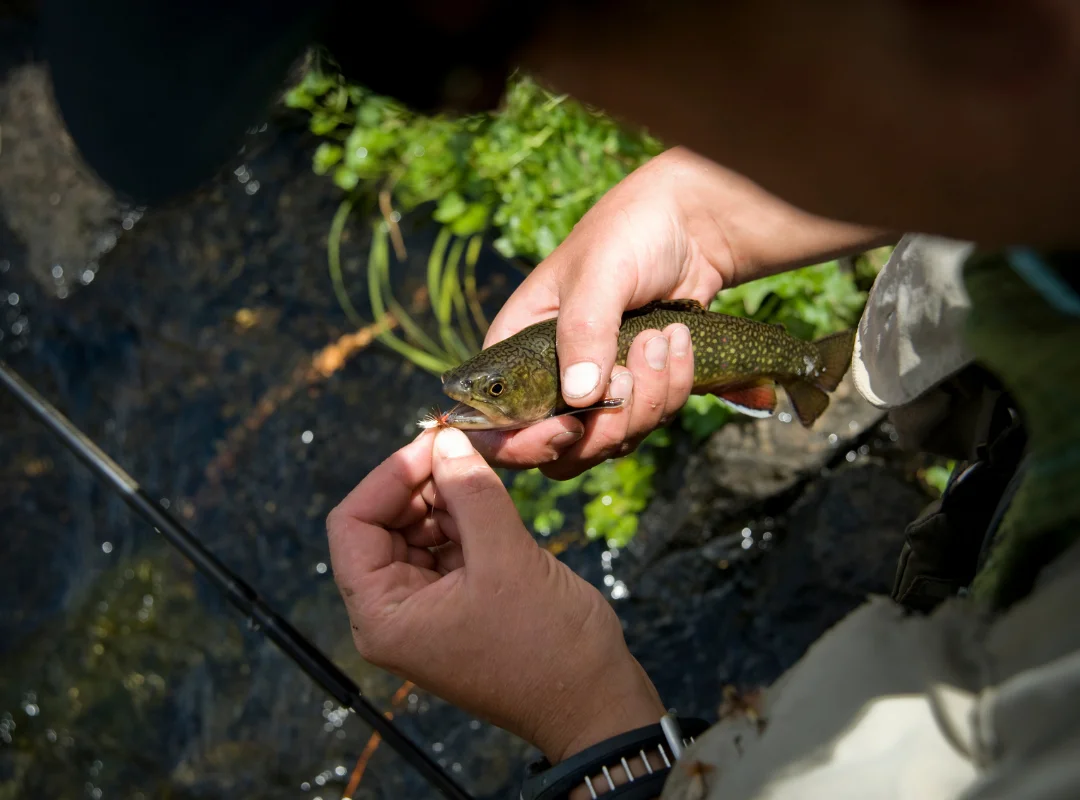
How to Practice Fly Casting Without a Fly

Remove the hooked fly, attach a small piece of yarn to the leader, and practice casting in an open area. This method lets you improve your timing, accuracy, and control on the line without handling a sharp hook during basic drills. Let's explore more.

Why Practice Fly Casting Without a Fly?

Fly casting uses the movement of the rod to propel the line through the air. Unlike conventional fly fishing, the line carries the lightweight fly toward the target. Learning to control the line is the real deal for placing a fly accurately.

When you practice without a hook, you reduce the risk of accidental injuries. A yarn substitute also provides a visible landing point, making it easier to observe casting accuracy.

Even experienced fly fishers practice without a fly when refining their technique. Regular casting practice builds familiarity with the rod, improves timing, and improves line control. These skills become useful when fishing conditions need precise casts around vegetation, rocks, or other obstacles.

What Equipment Do You Need for Casting Practice?

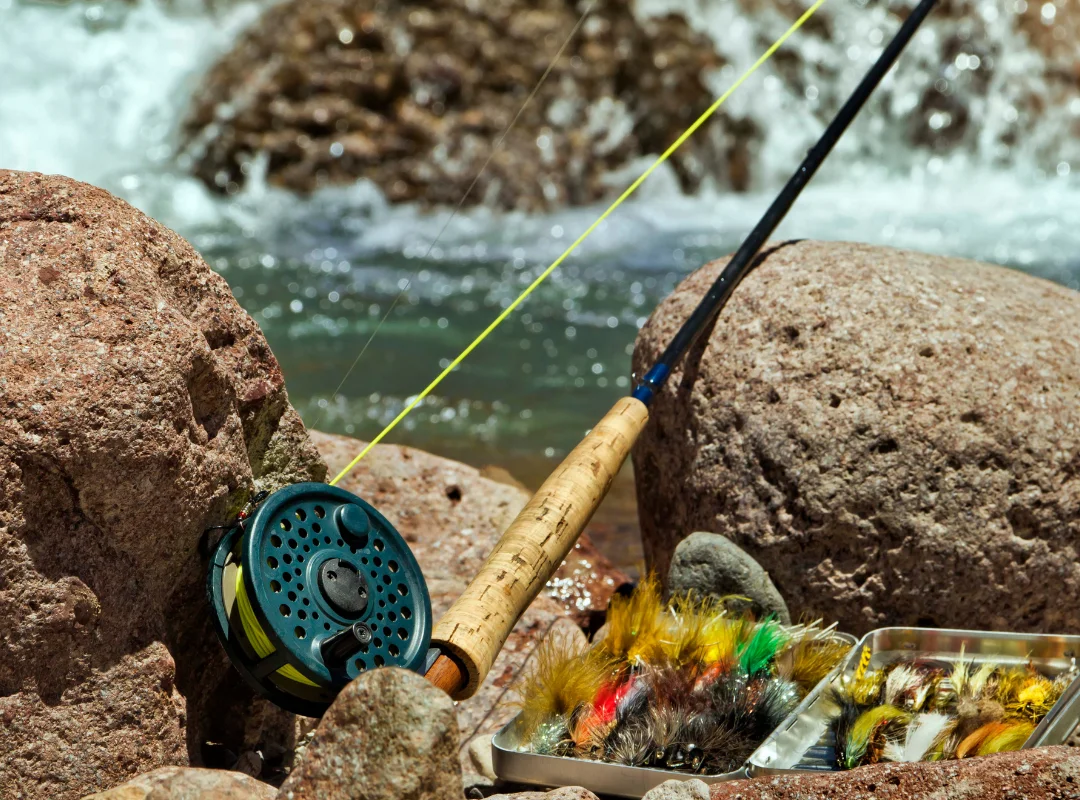
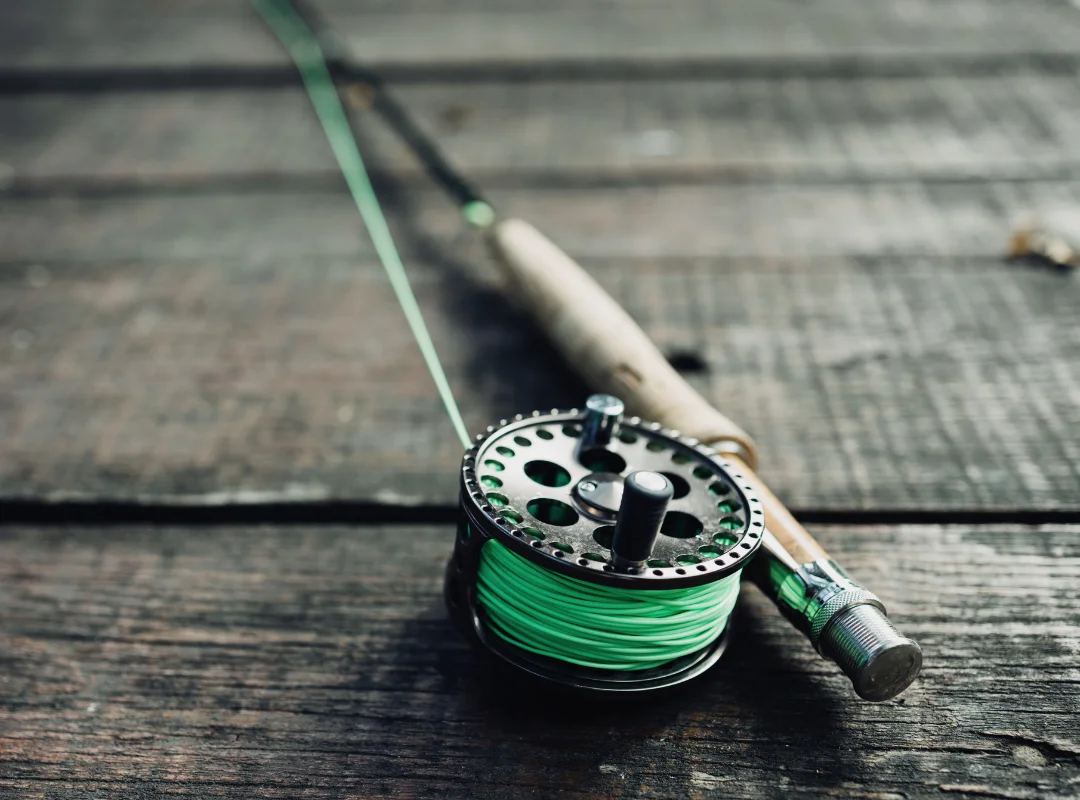
You need a fly rod, fly line, reel, leader, and a small piece of yarn. Remove the hooked fly and attach the yarn to the end of the leader. This yarn fly gives you a visible target without a sharp hook.

A floating line works well for many casting drills, particularly when learning basic techniques. You can practice on a grassy field, lawn, or another open area where casting is permitted.

Choose a location with enough room behind and in front of you. Check for overhead branches and other obstacles before beginning. Keep the yarn small and lightweight so it does not interfere unnecessarily with the casting motion.

Frontier Anglers TN Fly Casting Without a Fly
How Can I Practice Casting Flies

Practice Fly Casting Without a Fly & Hone Your Skills

Start With Short Casts

Before you start practicing, carefully inspect your reel, rod, guides, and line. Pull a manageable length of line from the reel and keep the remaining line organized near your feet.

Comfortably hold your rod and point it toward your intended target. Begin with a short amount of line outside the rod tip. Make a controlled backward movement, pause briefly, and then move the rod forward.

During your first attempts, do not try to cast as far as possible. Focus on making the line travel in the intended direction and land near your target. Short casts provide a useful foundation for developing consistent movements.

Learn the Forward Cast & Back Cast

The forward cast moves the line toward the target, while the back cast sends it behind you to prepare for the next movement. Both movements require control and timing.

  • Move the rod backward and pause until the line extends behind you.
  • Move the rod forward to send the line toward the target.
  • Keep your wrist relatively firm and use your forearm to guide the movement.

Remember that the casting stroke should remain controlled rather than forceful. Applying too much power can disrupt the line's path and create poor loops. Pay proper attention to how the rod bends and recovers as you change direction.

‍

Practice False Casting

False casting means moving the line backward and forward through the air without allowing it to settle between movements. You can use this technique to control line length and prepare for the final cast.

  • Start with a short length of line.
  • Make a back cast
  • Wait for the line to straighten.
  • Make a forward cast

Repeat the sequence while maintaining a consistent rhythm. Watch the line as it travels in both directions.

  • If you move the rod forward too early, the line may fail to straighten behind you.
  • If you wait too long, it may drop toward the ground.

Adjust your timing until the movements become more consistent.

Use Targets to Improve Accuracy

Once you become comfortable with basic movements, introduce targets into your casting practice. Place small markers, cones, or hula hoops at different distances across the practice area.

You can aim to make the yarn land inside a target. Begin with a large target at a short distance, then gradually reduce the target size or increase the distance.

Observe where the line lands after each cast. If the yarn repeatedly falls short, examine your line control and your timing. If it lands too far to one side, check your rod direction.

This drill teaches you to focus on placement rather than distance alone. Accuracy is particularly useful when casting toward specific areas during fly fishing.

‍

How Do I Make My Own Flies for Fly Fishing

How Often Should You Practice Fly Casting?

Short, focused practice sessions can fit easily into a weekly routine. Try practicing for 10 to 20 minutes several times a week.

Dedicate each session to one skill, such as loop formation, timing, accuracy, or distance. Avoid changing several parts of your technique at once because it becomes harder to identify which adjustment improves your results.

You can track your progress by counting how many casts land inside your chosen target. As your accuracy improves, increase the distance or use smaller targets.

Regular practice time also makes it easier to recognize common casting errors. However, casting on grass does not reproduce every condition found during actual fishing. Water movement, wind, vegetation, and different fly patterns can affect the line and require additional practice.

Should You Practice With a Real Fly?

You can learn the fundamentals without a real fly, and using yarn is a sensible choice for early drills. Once your casting becomes more consistent, you can progress to casting with a fly in an appropriate setting while following proper hook safety.

When preparing your fishing equipment, don't forget to check the hook point and inspect the connections between your leader, tippet, and fly.

An improved clinch knot is used to attach a fly to the tippet, so learning basic knot tying is a useful part of fishing preparation.

Final Takeaway

Practicing fly casting without a fly is a practical way to build timing, accuracy, and line control without using a sharp hook during basic drills.

  • Start with short casts.
  • Practice false casting
  • Use yarn targets to measure your progress.

With consistent practice, you can develop the fundamental skills that are needed to present a fly accurately and improve your chances of success when trying to catch fish.

Frontier Anglers TN: Fly Fishing Smallmouth Bass & Trout

For guided fishing trips in Tennessee, call Frontier Anglers TN to explore the Cherokee–Holston River, Douglas–French Broad River, Norris–Clinch River, Little River, Pigeon River, and Caney Fork River.

Call 865-719-0227 and book your trip to experience these fishing destinations with guidance suited to your outing.

Frequently Asked Questions

Q1: How can I practice casting flies?

A: Remove the hook and attach a small piece of yarn to the leader. Practice forward casts and back casts in an open area. Don't forget to use markers or hula hoops to work on accuracy.

Q2: How do I make my own flies for fly fishing?

A: Use a fly-tying vise, thread, a suitable hook, and materials such as synthetic fibers or feathers. Wrap the materials around the hook shank to create a pattern that resembles an insect or another food source for fish.

Q3: What is false casting in fly fishing?

A: False casting is moving your fly line backward and forward through the air without letting it settle between movements. It helps you control direction, line length, and timing before the final cast.

Q4: How do I make homemade fly floatant?

A: Commercial fly floatants are usually preferable because their ingredients are designed for specific fly materials. Avoid untested household mixtures that could damage your fly or change its floating properties.

Q5: What is fly floatant made of?

A: Fly floatant usually contains silicone-based compounds, waxes, or other water-repellent ingredients. The formulation varies by product and is intended to keep suitable dry flies floating on the surface of the water.
CHECK OUT

Our Supporters

©frontier anglers tennessee ALL RIGHTS RESERVED.