Fly fishing with midges works best with light tippet, small flies, and delicate presentations. Use sizes 18–24 and match the midge’s color to local insects. Fish slow-moving pools, seams, and deeper runs where trout feed. Don't forget to cast upstream and let the midge drift naturally. Watch your indicator closely, as trout generally make subtle takes. Let's know more.
Fishing midges successfully starts with understanding the midge life cycle, as brownies focus on different stages at different times. Midges begin as midge larvae, thin worm-like insects that live in the silt and gravel of the riverbed.
As they mature, they become midge pupae, which rise slowly through the water column toward the surface. This makes them an easy meal for feeding trout. Once a pupa breaks through the surface film, it emerges as an adult midge, a small, mosquito-like insect that brookies will sip off the top during a heavy hatch.
Because trout can feed on any of these three stages at once, carrying flies that represent larvae, pupae, and adults is one of the smartest habits you can build.
A midge hatch can be subtle, and many fly fishing anglers walk right past one without noticing. Look for small dimples or soft rings on the surface rather than the splashy rises associated with larger insects.
Rising fish during a midge hatch tend to feed in a repetitive rhythm, usually staying in one small feeding lane and sipping insects one after another. Watching fish feeding patterns for a few minutes before making a cast tells you where the fish are holding and what stage of the hatch they favor.
If fish are porpoising with their backs breaking the surface, they are likely taking adults near the top. If you see subtle flashes below the surface with no visible rise, the fish are most probably keyed in on larvae or pupae just under the film.
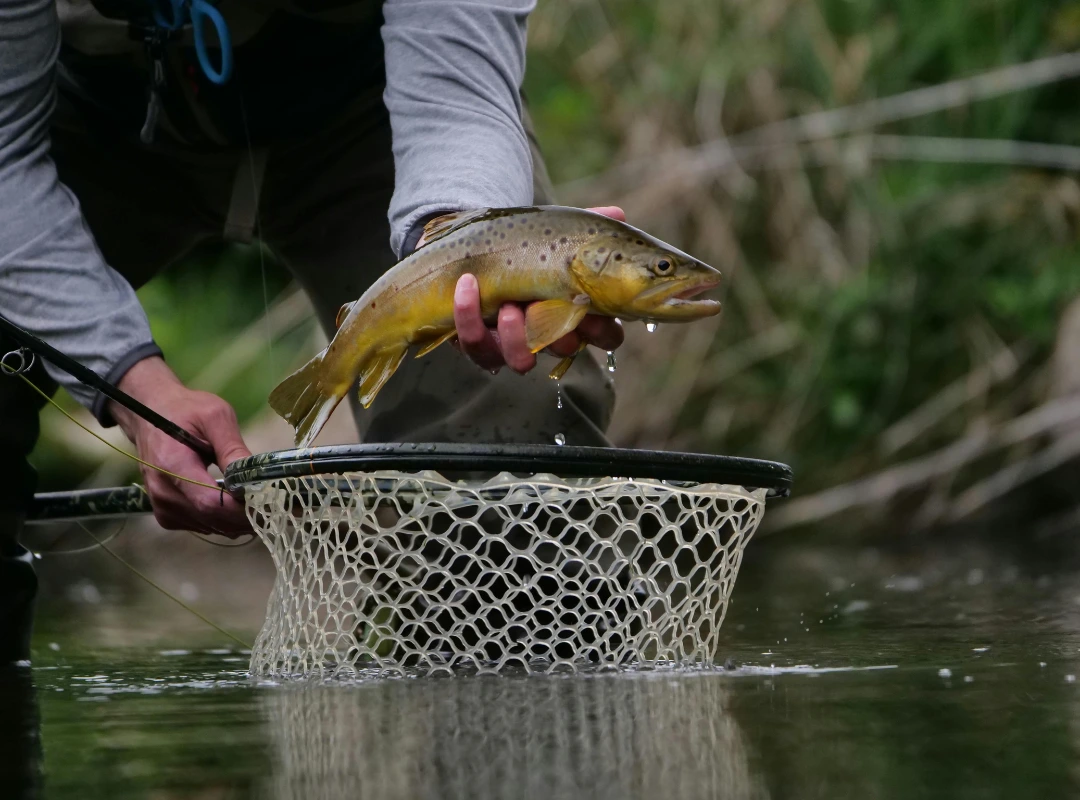
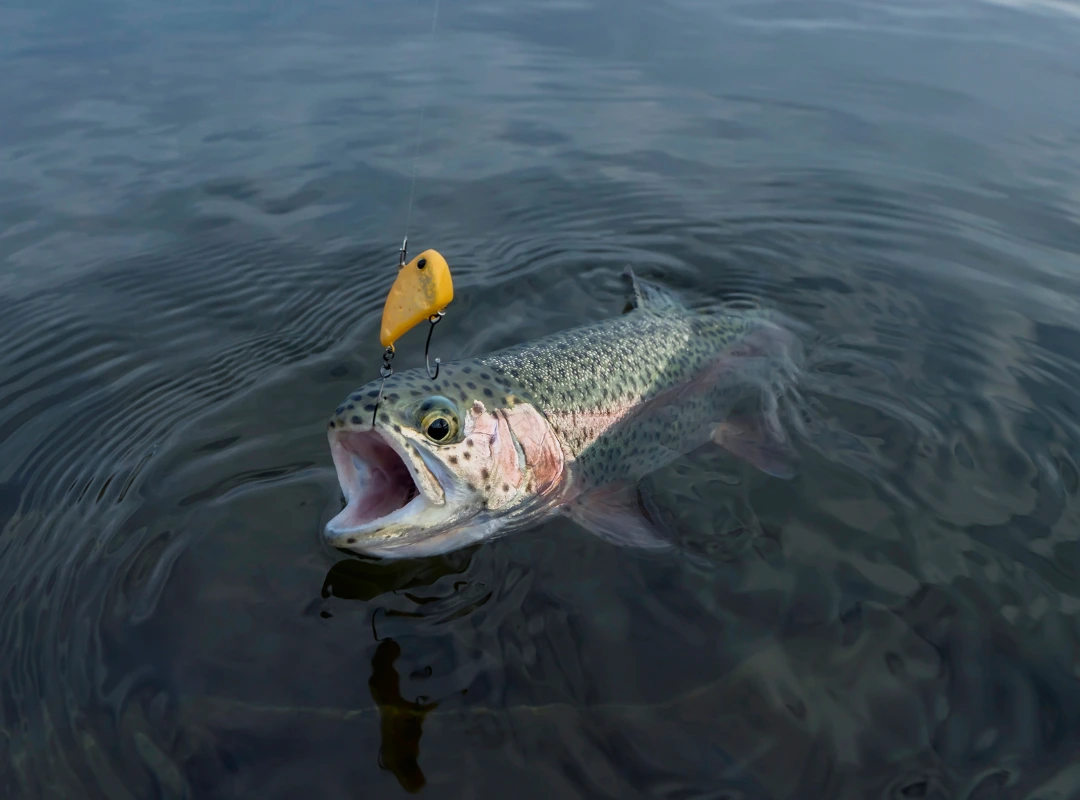
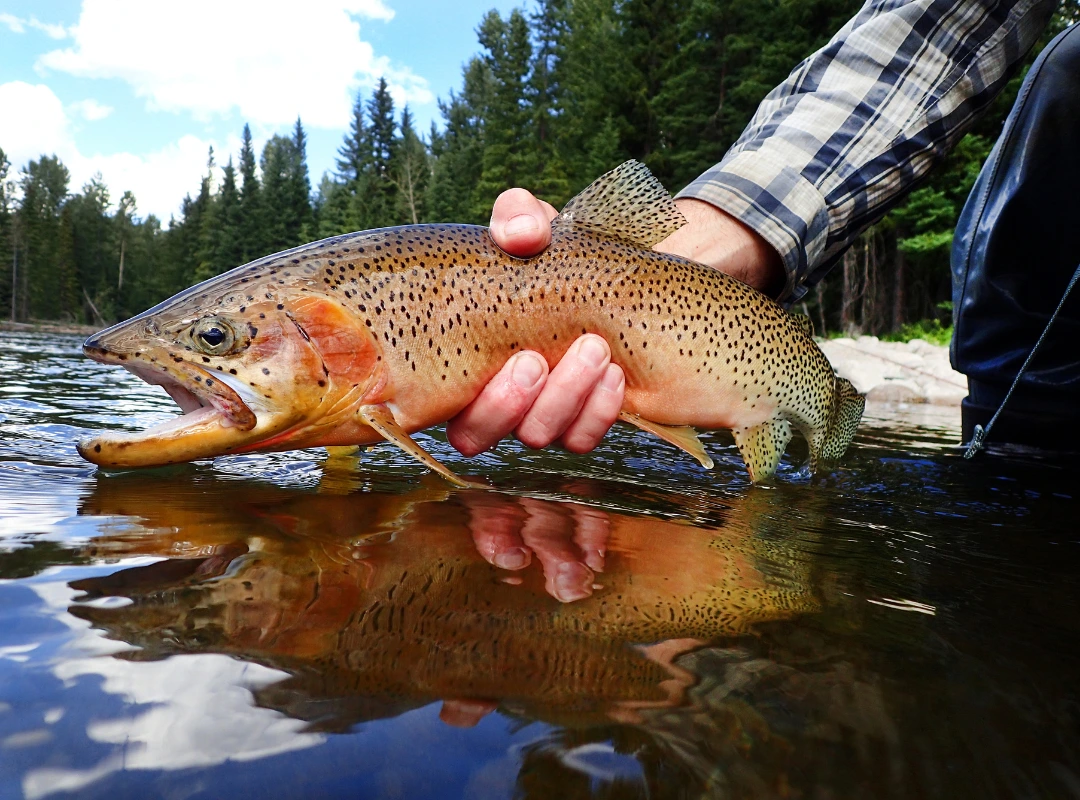
Selecting from the best midge patterns available can feel overwhelming given how many size and color combinations exist, but a handful of proven flies cover most situations.
The zebra midge is one of the most consistent producers on rivers everywhere, tied simply with thread and wire wraps to imitate a pupa or larva suspended in the water. Because of its buggy look and slim profile, it remains one of the most midge patterns anglers reach for first when nothing else is working. Other fish midge flies worth carrying include:
Since these are tiny flies, mostly tied on hooks as small as size 20 through 26, sharp eyes, fine tippet, and a steady hand matter as much as the fly pattern itself.
Carrying a small selection of fish midge patterns in a few core colors and sizes is generally enough to match most rivers.
A proper fly rig makes fishing these small flies easier to manage. You can use a two-fly rig, pairing a larger, more visible fly with a smaller midge trailing behind it on a short length of tippet. This setup lets you track the drift of the lead fly while the trailing midge flies does the actual work underwater.
A dry dropper rig is another strong option. It combines a buoyant dry fly on top with a midge pupa or larva pattern hanging below it. The dry fly acts as both a strike indicator and a chance at a top-water take, while the dropper covers fish still feeding below the surface.
When fish are rising during a hatch, switching to a single small dry fly presented on a light tippet generally outperforms any rig with multiple flies, since it reduces drag and keeps the presentation natural.
Presentation matters more with midges than with almost any other insect. The reason is their size and the slow way trout inspect them. Short, accurate casts with a drag-free drift will out-fish a longer cast every time, since even a small amount of unnatural movement will cause brookies to refuse the fly.
Fishing from a stable position and keeping your line management tight lets you detect the light takes that come with small flies, which are mostly nothing more than a slight pause or twitch in the leader.
Fluorocarbon tippet in the 6X to 7X range is common when fishing midges in clear water, since it stays nearly invisible below the surface.
Remember that patience is part of the technique. Midge fishing rewards anglers who:
Winter fishing is where midge patterns truly shine, since these insects continue to hatch through cold months when most other insect activity has stopped.

On overcast winter afternoons, especially when air temperatures rise slightly above freezing, midge activity generally picks up and trout respond by moving into slower water to feed.
Because metabolism slows in cold water, brownies tend to hold in specific slow-moving lanes (rather than chasing food aggressively). A well-placed midge pattern drifting right through that lane can produce a strike when nothing else will.
Layering warm clothing and moving slowly along the bank gives you more time to watch for the subtle rises that signal winter feeding activity.
Fly fishing with small flies takes sharp observation, patience, and a willingness to slow down and study the water before making a cast. Once the basics of the midge hatch, the right midge patterns, and a fly rig come together, these tiny insects open up consistent fishing opportunities across every season, including the depths of winter when other options run thin.
You should build confidence with how to fly fish with midges, which simply takes time on the water, careful observation of fish feeding behavior, and a willingness to fish small when the river calls for it.
If you want hands-on guidance putting these techniques to work, call Frontier Anglers TN and get out on some of the best midge water in the region. Trips are available on the Douglas - French Broad River, Norris - Clinch River, Cherokee - Holston River, Little River, Pigeon River, and Caney Fork River.
Book your trip today and spend a day learning firsthand how these small flies produce big results. Call 865-719-0227.