Inspect the Reel Seat
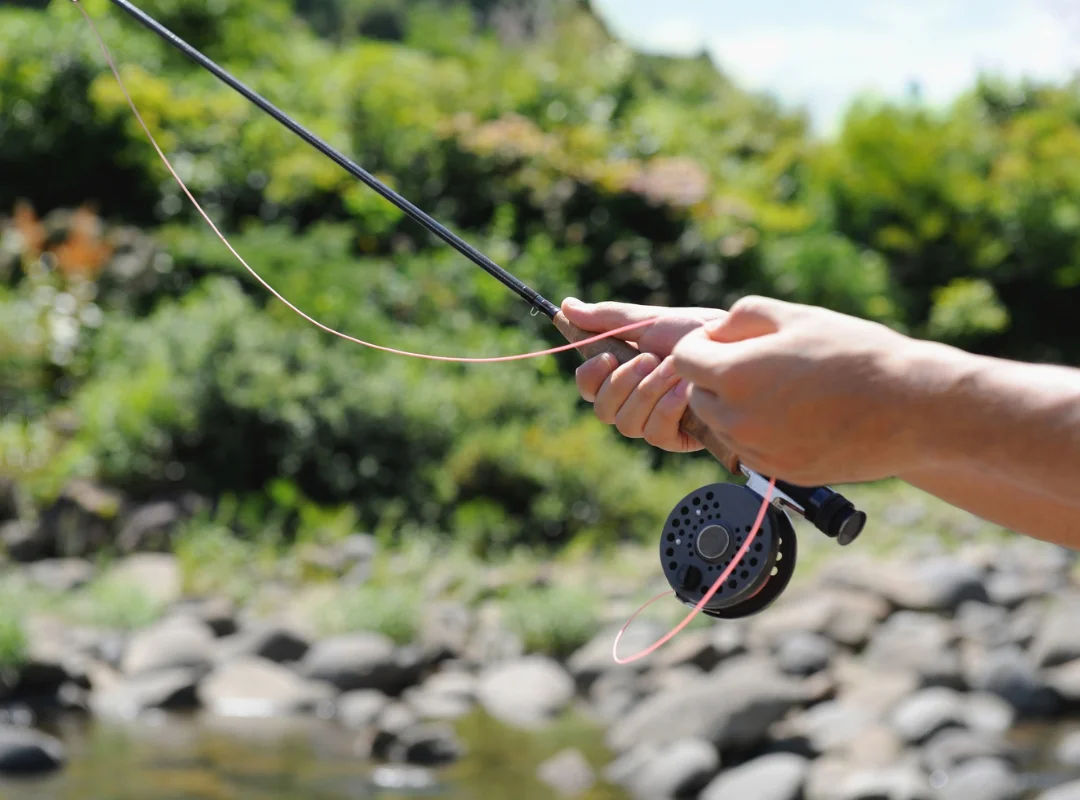
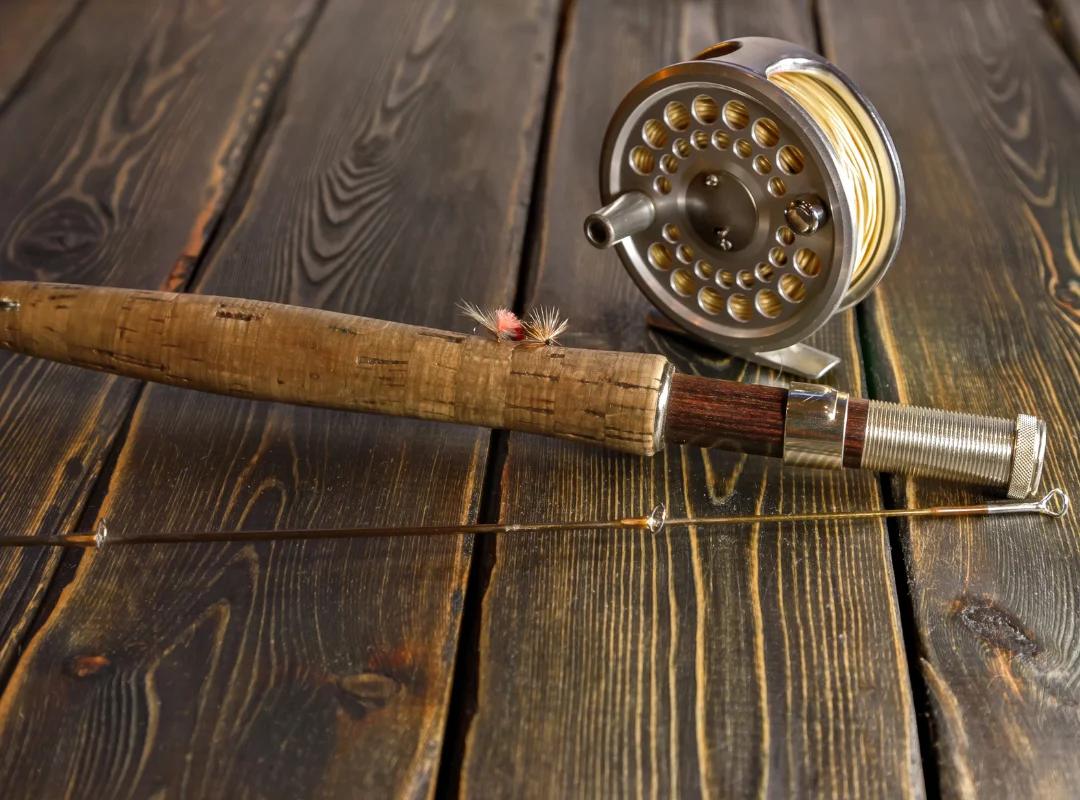
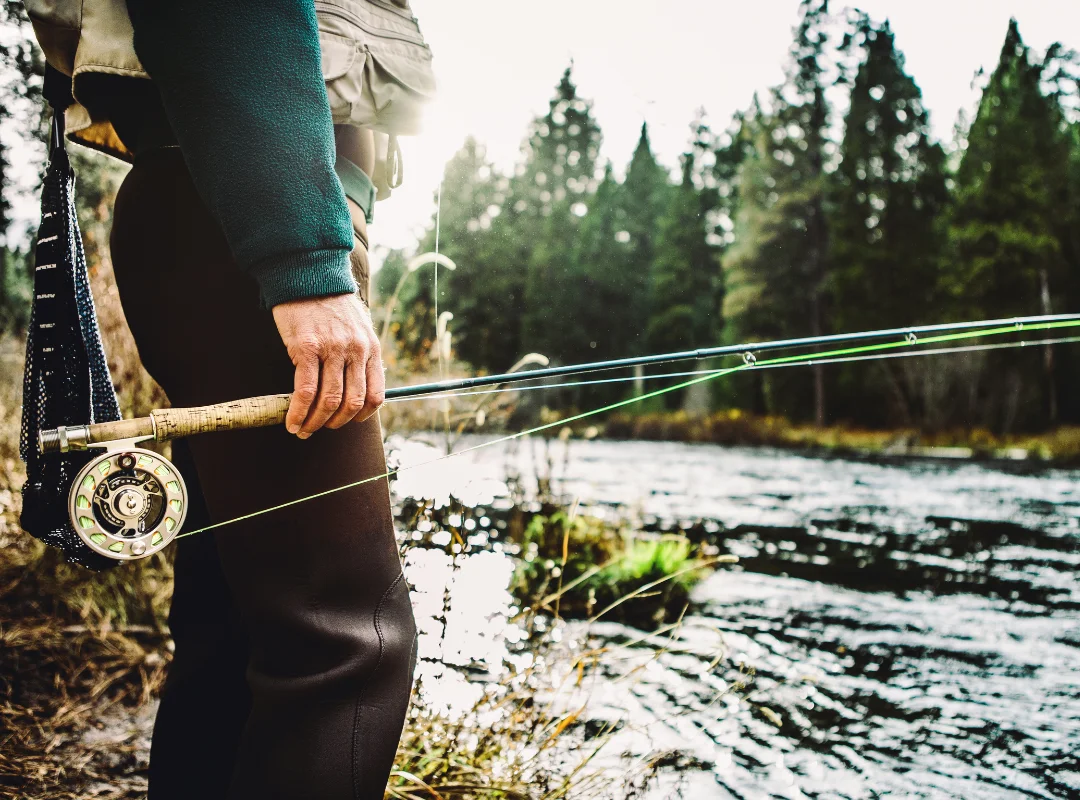
The reel seat secures the reel to the rod. Check that its locking rings or fittings hold the reel firmly without excessive movement. Remove visible dirt and inspect the threads for damage.
Check that it is seated correctly and that the fittings are not worn if the reel keeps loosening. Replace damaged components rather than relying on makeshift fixes that could cause the reel to detach during a fishing trip.
How to Fix & Maintain Flies and Fly Boxes
Inspect your fly boxes before each outing.
- Damp compartments can encourage corrosion on hooks.
- Crushed materials may change the shape of an artificial fly.
Instead of trying to restore the hook, replace the fly. If a hook is badly bent, cracked, or corroded, replace it. A weak hook can straighten or break when a fish is on the line.
How to Store Fly Fishing Gear Properly
Clean the reel as recommended, and check the line for damage. Before putting equipment away, wipe down the rod. Make sure all parts are completely dry before storage.
Choose a cool, dark place or another suitable dry place with stable conditions, and avoid leaving your equipment in:
- Hot vehicle
- Damp garage
- Location exposed to direct sunlight
Extreme temperatures and humidity can affect rod materials, line coatings, and other components.
Follow the manufacturer's recommendations when you store a rod. Many multi-piece rods are best kept separated in their protective cases. Keep the reel and line clean, and avoid placing heavy objects on top of the equipment.
When Should You Repair or Replace Your Gear?
Dirt, loose connections, and minor accessory issues can be corrected with basic maintenance. However, damaged reel mechanisms, cracks, and badly worn lines may require professional service.
Consider the item's condition, repair cost, and safety. If a repair involves a load-bearing rod section or an internal reel mechanism, professional advice is preferable to an improvised fix.
You should also keep basic maintenance supplies available, including soft cloths, approved cleaning products, spare fly fishing leaders, and replacement flies. These items let anglers deal with minor problems before they interrupt a fishing trip.
Conclusion
Learning how to fix your fly fishing gear is all about regular inspection, cleaning, timely repairs, and suitable storage. Properly check your rod, fly line, reel, drag, reel seat, and fly boxes before you go fishing. Replace unsafe components rather than risking equipment failure while fishing. With proper care, you can keep your gear in good condition and spend more time enjoying the experience of catching smallies and brookies.
Frontier Anglers TN: Fly Fishing Trips in Tennessee
Call Frontier Anglers TN to explore fishing opportunities on the Cherokee–Holston River, Douglas–French Broad River, Norris–Clinch River, Little River, Pigeon River, and Caney Fork River.
Book your trip to experience these Tennessee fishing destinations with guidance suited to your outing.
Call 865-719-0227 for more information.
Frequently Asked Questions
Q1: How do I fix my fly??
A: Inspect the fly for damaged materials, loose thread, or a bent hook. Reshape loose fibers or repair minor tying issues, but replace flies with badly bent, cracked, or corroded hooks.
Q2: How to set up a fly fishing setup?
A: Connect the reel to the rod, attach the backing and fly line. After this, you should connect a leader to the line. Tie on a suitable fly, properly check the knots, and adjust the reel drag before fishing.
Q3: How do I fix my fishing reel?
A: Remove dirt, clean the spool and exterior, and inspect the drag and moving parts. Always follow the maintenance instructions from the manufacturer, and seek professional service if the reel sticks or the drag fails.
Q4: Is it hard to tie your own flies?
A: Fly tying takes practice, but if you are a beginner, you can start with simple patterns using a vise, thread, hooks, and basic tying materials. More intricate patterns require additional tools and experience.
Q5: How can you revive a fly?
A: Gently reshape crushed fibers and let a damp fly dry completely. Replace a fly if its hook is damaged or its materials and construction are too worn to remain reliable.