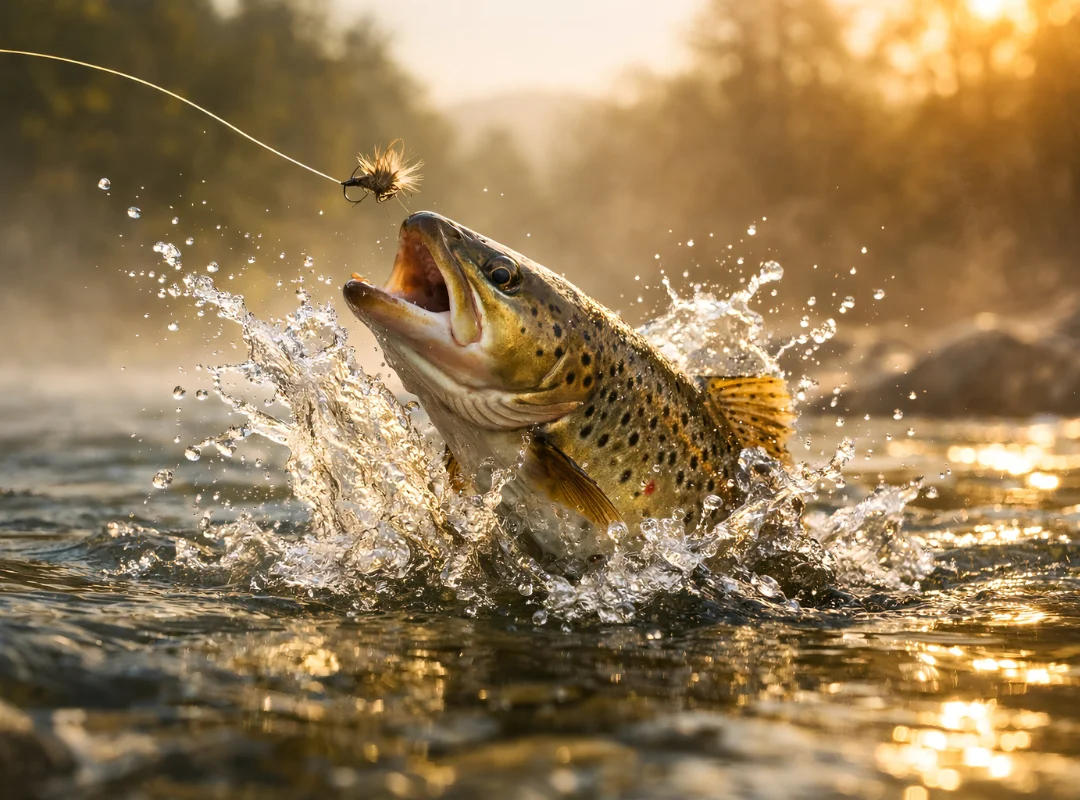
The History of Fly Fishing and Its Evolution Through Time

The history of fly fishing is fascinating, spanning centuries and combining skill, art, and an intimate understanding of nature. This sport has captivated enthusiasts all around the world, evolving from simple beginnings into a sophisticated pastime. At its heart, fly fishing is all about reading currents, connecting with the water, and mastering techniques that allow a fly fisherman to approach fish stealthily. Let's know more about the history of fly fishing.

Early Origins & Evolution of Fly Fishing

The roots of fly fishing history can be traced back to ancient civilizations. Early records tell that fishers in Rome and Macedonia experimented with artificial flies to catch fish. These primitive artificial fly designs were rudimentary but marked the beginning of what would become a rich tradition.

With the passage of time, techniques spread throughout Europe, particularly in England, where rivers and chalk streams offered ideal conditions for developing fly fishing techniques. Early fly fishing anglers documented their methods, influencing generations to come and inspiring countless innovations in fly tying and lure design.

Development of the Fly Rod

One of the most important advances in fly fishing came with the refinement of the fly rod. Early rods were simple, generally made from flexible woods, but as craftsmanship and metallurgy improved, rods became more precise tools. The introduction of split cane, later graphite and fiberglass, revolutionized the sport.

Modern fishing rods allow a fly angler to cast with accuracy and reach areas once inaccessible. The rod, paired with a well-selected fly line or sinking tip fly line, became the cornerstone of trout fishing and other freshwater pursuits.

The Rise of Dry Fly Fishing

Dry fly fishing represents a moment in fly fishing history, emphasizing presentation with delicacy. Unlike wet fly methods, dry fly anglers cast artificial flies that float on the surface of the water, enticing fish like brown trout to rise and strike. This style demanded skill with the fly rod and knowledge of local water conditions and insect behavior.

The development of dry fly techniques contributed to an explosion of interest in fifty flies, fly boxes, and the careful study of entomology among fishing enthusiasts.

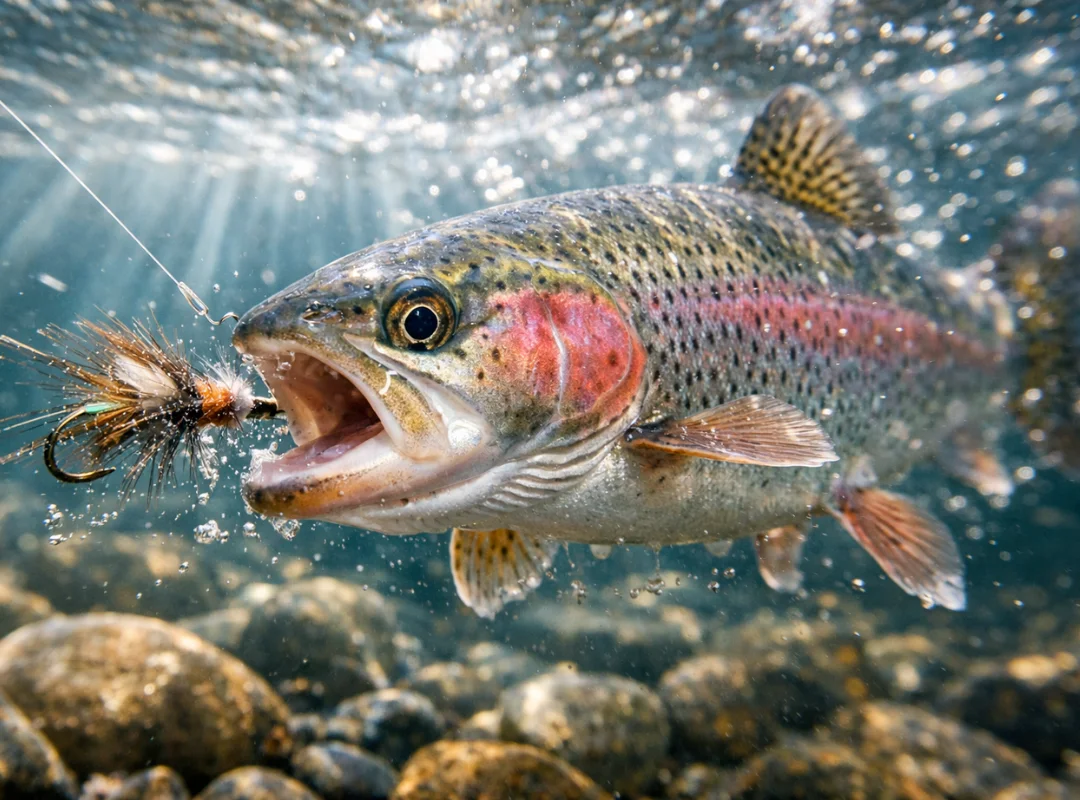
How to Correctly Handle Trout
How to Hold a Trout for Beginners

Fly Tying & the Art of Countless Fly Patterns

As fly fishing grew in popularity, the art of fly tying became central to the sport. Early fishermen experimented with threads, feathers, and fur to imitate natural prey, leading to countless fly patterns created over the centuries. From classic wet fly designs to innovative dry patterns, the ability to craft flies expanded what a fly fisherman could accomplish on a river. 

Today, countless fly patterns exist for different species and conditions, and fly boxes help anglers organize these tools properly. Fly tying remains a cherished skill and is mostly featured on fly fishing websites where enthusiasts share techniques, tutorials, and inspiration.

American Fly Fishing & Key Characters In History

The story of American fly fishing is rich with influential figures who shaped modern fly fishing. Pioneering fly anglers introduced European methods to rivers across the USA, adapting to local species and waters.

There were many key characters involved in early American fly fishing who contributed to innovation, literature, and education, and encouraged a culture of exploration in trout fishing. The introduction of artificial fly designs suitable for diverse rivers helped popularize the sport from New England’s streams to the rivers of Tennessee.

Historical accounts highlight how fishing rods, fly reels, and various fly lines evolved alongside these early innovators.

Evolution of Fly Reels & Fly Lines

The equipment that was used in fly fishing has undergone remarkable changes. Early fly reels were simple mechanisms, but modern reels offer precision drag systems. These systems allow anglers to control fish properly.

Similarly, fly line development has been super critical.

  • Floating lines
  • Sinking tip fly line
  • Specialized formulations

All these enable anglers to present flies with accuracy that is unmatched. Such innovations have improved the skill and excitement of catching fish while maintaining the connection to traditional methods.

Popular Trout Fishing Techniques & Rivers

Trout fishing remains a core pursuit for fly fishing anglers. Techniques vary depending on:

  • Location
  • Season
  • Water conditions

While dry fly fishing captures the imagination with surface strikes, wet fly presentations, and strategic use of fifty flies in a fly box continue to challenge fly anglers.

  • Understanding currents
  • Studying hatch activity
  • Matching artificial flies to natural insects

The above elements are essential to success. 

Tennessee’s rivers—Pigeon, Holston, Cherokee, Douglas-French Broad, Norris-Clinch, Little, and Caney Fork—offer perfect playgrounds for anglers of all levels to hone their craft.

Learning Resources & Fly Fishing Websites

The internet has united fly anglers across the globe. Fly fishing websites offer:

  • Information about fly fishing techniques
  • Tutorials on fly tying
  • Access to forums where fly fishermen share stories about catching fish

Historical perspectives are also available online, tracing the history of fly fishing from its European origins to contemporary American methods.

Many websites also highlight the evolution of artificial fly patterns, the importance of fly reels, and the complex details of fishing rods and fly line selection.

The Enduring Legacy of Fly Fishing

The history of fly fishing is not just about equipment or techniques; it is about the relationship between the river, the angler, and the fish.

From early experiments with artificial flies to the creation of countless fly patterns and fifty flies carefully organized in fly boxes, this amazing sport has continually evolved.

The modern fly fisherman can explore diverse waters, employ advanced fly fishing techniques, and still honor centuries of tradition.

through fly tying, casting a dry fly, or learning from guides on local rivers? Fly fishing offers a rewarding experience that continues to captivate new generations.

Call Frontier Anglers TN for Expert Fly Fishing Trips

Tennessee’s rivers provide some of the best opportunities for fly fishing, and Frontier Anglers TN offers guided trips to the most scenic waters of the state.

Want to experience the Cherokee - Holston River, Douglas - French Broad River, Norris - Clinch River, Little River, Pigeon River, or Caney Fork River? 

We will help you with every aspect of trout and smallmouth bass fishing.

Book your trip today and experience fly fishing like never before.

What to Do Immediately After Catching a Fish

Frequently Asked Questions (FAQs)

How to correctly handle trout?

Correct trout handling comes down to minimising stress and protecting the fish’s slime layer. Keep the trout in the water as much as possible, wet your hands before touching it, and use a rubber-mesh net. Remove the hook quickly, avoid squeezing the body, and release the fish facing into the current once it regains strength.

What is the 60/20/20 rule in fly fishing?

About 60% of the time, the fish should stay fully submerged. Limit air exposure to roughly 20 seconds total, and spend the final 20% of the interaction focused on a calm, proper release. It’s all about reducing handling stress and improving survival rates.

Are trout safe to handle?

Yes, trout are safe to handle as long as it’s done correctly. Wet hands, gentle pressure, and minimal air exposure are key. Trout don’t have sharp teeth or spines, but rough handling can seriously harm them. Treat each fish like a fragile resource, not a trophy, and you’ll keep both the trout and yourself safe.

What is the rule of 11 in fly fishing?

The rule of 11 helps anglers judge safe winter trout fishing in East Tennessee. Subtract the water temperature from 100. If the result is 11 or less, conditions are generally safe for catch-and-release. Anything higher means trout are under more stress, and it’s often best to avoid fishing or handle fish extremely quickly.

CHECK OUT

Our Supporters

©frontier anglers tennessee ALL RIGHTS RESERVED.