If you have ever spent hours driving to Tennessee rivers, you know the hassle of hauling fishing rods. A fishing pole roof carrier changes that chaos into order, keeping your rods straight and your car interior clutter-free. Rather than wrestling with tangled gear or breaking down every rod, you can simply load up and hit the road, knowing your fishing gear is protected and ready for action. Let’s discuss how a fishing pole roof carrier can change your fishing trips.
A fishing pole roof carrier is made to transport rods along the roof of a vehicle. Most models attach to an existing roof rack. The carrier runs parallel to the roof and allows rods to remain rigged during transport.
These systems are generally referred to as rod carriers or fishing rod carriers. Some are explicitly designed as a fly rod roof rack, while others can hold casting rods. The main goal is simple. Keep rods safe and ready to fish without repeated breakdown and reassembly.
By keeping rods outside the cabin, you also free up space for packs and other gear.
Most fishing pole roof carrier systems rely on a roof rack as their main foundation. Vehicles with factory-installed racks or aftermarket racks can accept rod carriers without major modifications. Cross bars provide the mounting surface where the carrier attaches using adjustable mounts.
Before choosing a carrier, you should check the width and spacing of your cross bars. Some fly rod roof rack setups require a minimum distance between bars to support the rod length. Proper alignment distributes the weight evenly and keeps your rods stable while you are traveling.
Fishing rod carrier designs vary based on how you store your rods. Some carriers use enclosed tubes with full-length padding. Others rely on open-channel designs with mounts and straps. Enclosed styles generally include a locking reel box that protects reels from road debris.

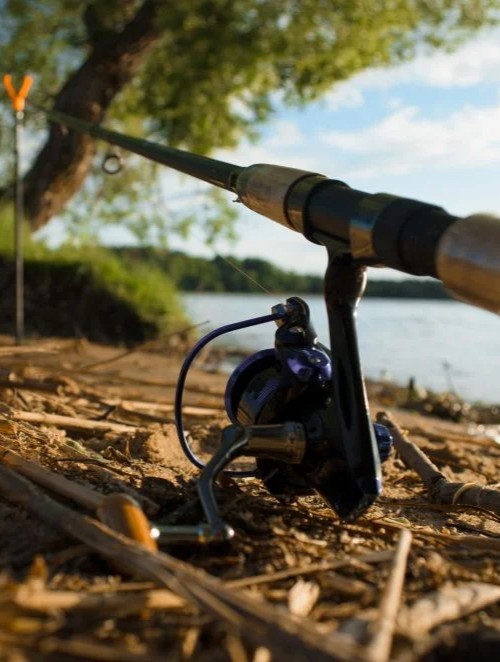
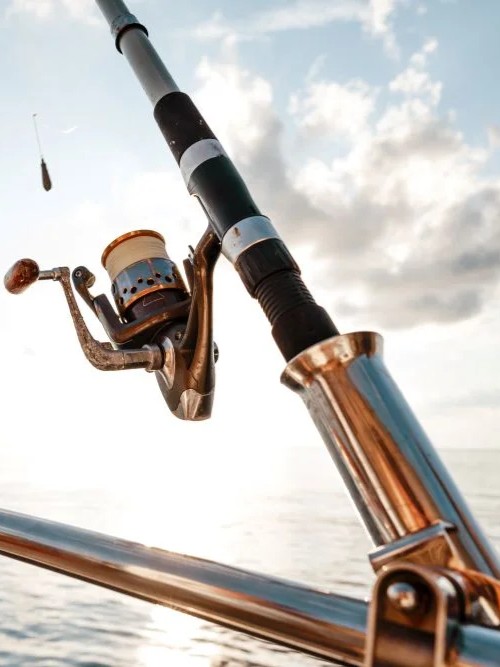
Open channel designs generally clamp rods along their length and hold them using padded contact points. These setups rely on mounting brackets and secure straps rather than full enclosures. Both styles can protect your rods when installed in the right way, though enclosed designs give you more coverage during longer drives.
Fly fishing anglers generally prefer carriers that support full-length fly rods without removing reels. This setup gives faster transitions from vehicle to water.
Fly rod roof rack systems are popular among those who fish frequently. One well-known style is the "river quiver" design, in which a long, enclosed tube holds multiple fly rods fully rigged and ready to fish.
These systems feature full-length padding inside the tube and a rear reel box. Some models also include a locking reel box that secures reels during transport. This design keeps rods protected from dust, rain, and road grime.
River quiver carriers are favored by serious anglers and guides who move between multiple river sections in a single day.
Mounting options vary depending on the design of the carrier. Most systems use mounting brackets that clamp onto cross bars. These brackets are tightened using mounting bolts that hold the carrier tightly in place.
Some carriers also have adjustable mounts to fit different rack styles. Others rely on standard mounts that are made for common rack systems.
Installation usually involves:
Solid mounting hardware keeps your rods safe during uneven roads and highway speeds. Regular inspection of bolts and mounts helps maintain a dependable setup.
A high-quality fishing pole roof carrier protects your rods from vibration, bending, and impact. Full-length padding supports the blank along its length, minimizing stress on ferrules. Enclosed designs also protect your rods from debris kicked up by traffic.
Keeping your rods secured on the roof reduces the risk of accidental damage inside your vehicle. Reels remain mounted, rod tips stay straight, and lines stay threaded through guides. This setup allows you to arrive at the river with rods ready to fish.
When rods are stored correctly, you spend less time rigging and more time casting.
The installation of a fishing pole roof carrier requires some basic fishing tools. Most systems include clear instructions for mounting and assembly.
The process involves:
After installation, you should test the carrier by gently shaking it and checking all mounts. Loading rods carefully and securing reels in the reel box keeps everything safe and aligned. And a quick check before each trip gives you confidence in the setup.
Remember that once installed, daily use becomes simple and fast.
The height of your vehicle changes when a carrier is mounted on its roof. You should remain aware of low branches, garages, and drive-throughs. Keeping track of roof clearance helps avoid contact that could damage your rods or the carrier.
Different vehicles support different rack widths and heights. SUVs, Compact cars, and trucks can all use rod carriers with the right rack setup. Matching the carrier to your vehicle improves stability and ease of use.

Want to put your gear to use on some of Tennessee’s best waters? Call Frontier Anglers TN for guided fly fishing trips.
Explore the Cherokee section of the Holston River, Douglas on the French Broad River, Norris on the Clinch River, the Pigeon River, the Little River, and the Caney Fork River. These trips pair local knowledge with hands-on fishing instruction, helping you focus on reading water, casting, and landing fish.
Book your trip today and experience memorable days on East Tennessee rivers with Frontier Anglers TN.